

Are poplar wood handles heat - resistant?
Aug 07, 2025
Leave a message
Are Poplar Wood Handles Heat-Resistant?
As a supplier of poplar wood handles, I often get asked whether poplar wood handles are heat-resistant. This is a crucial question, especially considering the various applications where these handles are used. In this blog, I'll delve into the heat resistance of poplar wood handles, exploring the scientific aspects and practical implications.
Understanding Poplar Wood
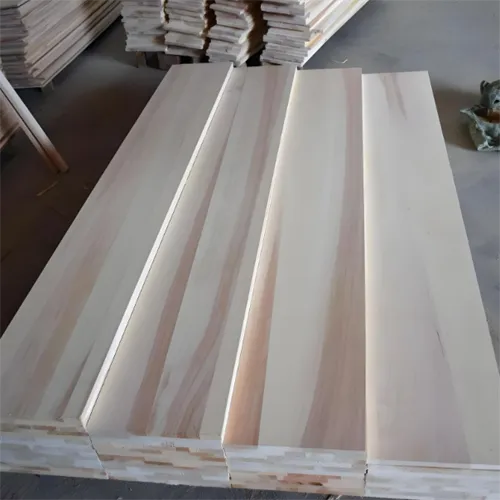
Poplar wood is a popular choice for many woodworking applications, including handles, due to its several desirable characteristics. It is relatively soft, lightweight, and easy to work with, making it a favorite among craftsmen. Poplar wood has a straight grain and a fine, uniform texture, which gives it a smooth and attractive appearance. It also takes stains and finishes well, allowing for a wide range of customization options.
However, when it comes to heat resistance, poplar wood has its limitations. Wood, in general, is a poor conductor of heat, which means it doesn't transfer heat quickly. But this doesn't necessarily mean it can withstand high temperatures without damage.

The Science of Wood and Heat
Wood is composed mainly of cellulose, hemicellulose, and lignin. When exposed to heat, these components start to undergo chemical changes. At relatively low temperatures (around 100 - 150°C or 212 - 302°F), the moisture in the wood begins to evaporate. As the temperature rises further, the hemicellulose and cellulose start to break down, leading to charring and eventually combustion.
Poplar wood, like other types of wood, has a relatively low ignition point. The ignition point of wood can vary depending on factors such as moisture content, density, and the presence of any coatings or treatments. Generally, poplar wood can start to char at temperatures around 200 - 250°C (392 - 482°F) and will ignite at higher temperatures.
Heat Resistance in Practical Applications
In most common applications, poplar wood handles are not exposed to extreme heat. For example, in furniture, cabinetry, or household items, the normal ambient temperature is far below the temperature at which poplar wood would start to show significant damage. However, there are some situations where heat resistance becomes a concern.
In the kitchen, for instance, if a poplar wood handle is on a cabinet near a stove or oven, it may be exposed to higher temperatures. While the short - term exposure to the heat from a nearby stove may not cause immediate damage, prolonged or repeated exposure to heat can cause the wood to dry out, crack, or lose its finish.
In industrial settings, where machinery or equipment may generate heat, poplar wood handles may not be suitable if they are in close proximity to the heat source. For example, on a machine with a hot engine or a heating element, a poplar wood handle could be at risk of charring or catching fire.
Treatments to Improve Heat Resistance
There are several ways to improve the heat resistance of poplar wood handles. One option is to apply a heat - resistant coating. There are various types of coatings available on the market, such as fire - retardant paints and varnishes. These coatings work by forming a protective layer on the surface of the wood, which can slow down the rate of charring and combustion.
Another approach is to use chemical treatments. Some chemicals can be impregnated into the wood to increase its heat resistance. These treatments can alter the chemical composition of the wood, making it more difficult for the wood to burn. However, it's important to note that these treatments may have an impact on the appearance and other properties of the wood.
Comparing Poplar Wood with Other Materials
When considering heat resistance, it's useful to compare poplar wood with other materials commonly used for handles. Metals, such as stainless steel or brass, are much more heat - resistant than wood. They can withstand high temperatures without significant damage and are often used in applications where heat is a major concern.
Plastics can also have varying degrees of heat resistance. Some high - performance plastics can withstand relatively high temperatures, while others may deform or melt at lower temperatures. Compared to these materials, poplar wood generally has a lower heat resistance.
Our Poplar Wood Handle Products
As a supplier of poplar wood handles, we offer a wide range of products to meet different customer needs. Our handles are made from high - quality poplar wood, which is carefully selected and processed to ensure the best quality. We also offer customization options, allowing customers to choose the size, shape, and finish of their handles.
In addition to poplar wood handles, we also supply other poplar wood products, such as Poplar Drawer Board, Poplar Wood Finger Joint Board, and Poplar Wood Tabletop UV Board. These products are known for their quality, durability, and attractive appearance.
Making the Right Choice
When deciding whether poplar wood handles are suitable for a particular application, it's important to consider the level of heat exposure. If the handle will be in an environment with low to moderate heat, poplar wood can be a great choice due to its aesthetic appeal and ease of use. However, if the handle will be exposed to high temperatures, it may be necessary to choose a different material or apply heat - resistant treatments to the poplar wood.
Contact Us for Procurement
If you are interested in our poplar wood handles or other poplar wood products, we encourage you to contact us for procurement discussions. We have a team of experts who can provide you with detailed information about our products, answer your questions, and help you make the right choice for your project. Whether you are a furniture manufacturer, a cabinet maker, or a DIY enthusiast, we are here to meet your needs.
References
- "Wood Handbook: Wood as an Engineering Material." Forest Products Laboratory, United States Department of Agriculture.
- "Fire - Retardant Treatments for Wood." American Wood Council.
- "Properties of Wood." Wood Technology Society of America.