

Can Pine Solid Wood Board be used for interior doors?
Aug 21, 2025
Leave a message
Can Pine Solid Wood Board be used for interior doors?
As a supplier of pine solid wood boards, I've been frequently asked whether pine solid wood boards are suitable for interior doors. This is a question that requires a comprehensive exploration, considering various factors such as the characteristics of pine wood, the requirements of interior doors, and cost - effectiveness.
Characteristics of Pine Solid Wood Boards
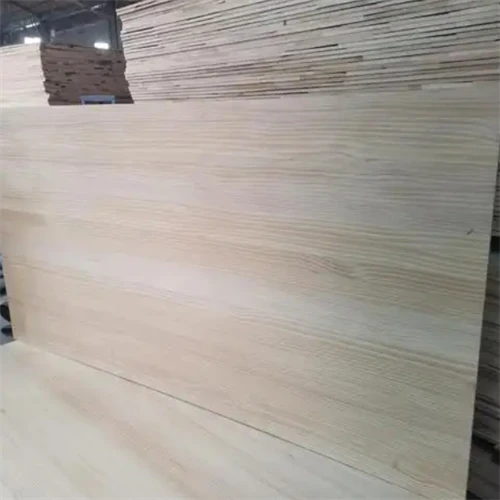
Pine is a softwood that has been widely used in the woodworking industry for centuries. One of the most prominent features of pine solid wood boards is their natural beauty. Pine has a distinct grain pattern that can add a warm and rustic charm to any interior space. The wood usually has a light - colored hue, ranging from creamy white to yellowish - brown, which can easily blend in with different interior design styles, whether it's a traditional, country - style, or even a modern minimalist setting.
In terms of workability, pine is relatively easy to cut, shape, and sand. This makes it a favorite among carpenters and DIY enthusiasts. For the production of interior doors, this means that complex designs can be achieved with relative ease. Whether it's carving intricate patterns or creating a smooth, seamless surface, pine can handle the task well.
Another advantage of pine solid wood boards is their availability. Pine trees grow relatively quickly compared to some hardwoods, which means that there is a consistent supply of pine wood in the market. This not only helps to keep the cost of pine solid wood boards relatively low but also makes it a more sustainable choice in some cases.
However, pine also has its drawbacks. It is a softwood, which means it is more prone to dents and scratches compared to hardwoods. If the interior doors are in a high - traffic area or are likely to be subjected to rough handling, the surface of the pine doors may show signs of wear over time. Additionally, pine is more susceptible to moisture damage. If exposed to high humidity or direct contact with water for extended periods, the wood can warp, swell, or develop mold.
Requirements of Interior Doors
Interior doors serve multiple functions. Firstly, they provide privacy. They separate different rooms in a building, creating a sense of personal space. Secondly, they contribute to the aesthetic appeal of the interior. A well - designed interior door can enhance the overall look of a room and tie the decor together. Thirdly, interior doors should have a certain level of durability. They need to withstand daily use, including opening and closing, as well as potential impacts.
In terms of sound insulation, while pine is not the best material in this regard, it can still provide a reasonable level of sound reduction. By adding proper insulation materials during the door - making process, the sound - blocking ability of pine interior doors can be improved.
When it comes to fire resistance, pine is a combustible material. However, through treatment with fire - retardant chemicals, the fire - resistance of pine interior doors can be enhanced to meet the safety requirements of most buildings.
Using Pine Solid Wood Boards for Interior Doors
Now, let's discuss the practicality of using pine solid wood boards for interior doors.
Aesthetically, pine interior doors can be a great choice. As mentioned earlier, the natural grain and color of pine can create a warm and inviting atmosphere. You can choose from different finishes, such as a clear coat to showcase the natural beauty of the wood or a painted finish to match the interior color scheme. For a more rustic look, you can even opt for a distressed finish, which gives the door an aged and weathered appearance.
Functionally, pine interior doors can meet the basic requirements of most interior applications. For low - traffic areas such as bedrooms or closets, pine doors can provide sufficient durability. However, for high - traffic areas like hallways or living rooms, it is advisable to take extra precautions to protect the door surface. This can include applying a high - quality protective finish or using door guards.
There are different types of pine solid wood boards that can be used for interior doors. For example, Finger Jointed Pine Boards are made by joining small pieces of pine wood together using finger joints. This method not only makes use of smaller pieces of wood, which is more cost - effective, but also helps to reduce the likelihood of warping and cracking. Pine Edge Glued Board is another option. It is made by gluing the edges of pine boards together, creating a wider and more stable panel for door construction. Finer Joint Pine Wood Board offers a similar advantage, with a finer joint design that can result in a smoother and more seamless appearance.
Cost - Effectiveness
One of the main reasons why pine solid wood boards are an attractive option for interior doors is their cost - effectiveness. Compared to hardwoods such as oak, mahogany, or walnut, pine is significantly cheaper. This makes it a great choice for budget - conscious homeowners or for large - scale construction projects where cost is a major consideration.
However, it's important to note that the cost of pine interior doors can still vary depending on factors such as the quality of the wood, the design complexity, and the finish. Higher - grade pine wood with fewer knots and a more uniform grain will generally cost more. Similarly, doors with elaborate carvings or custom designs will also be more expensive.
Maintenance of Pine Interior Doors
To ensure the longevity of pine interior doors, proper maintenance is essential. Regular cleaning with a soft, damp cloth can help to keep the door surface clean and free of dust. Avoid using harsh chemicals or abrasive cleaners, as these can damage the finish of the door.

If the door has a clear finish, it may need to be reapplied every few years to maintain its protective properties. In areas with high humidity, it's a good idea to use a dehumidifier to reduce the moisture content in the air and prevent the wood from warping.
Conclusion
In conclusion, pine solid wood boards can definitely be used for interior doors. They offer a combination of aesthetic appeal, workability, and cost - effectiveness. While they have some limitations, such as susceptibility to scratches and moisture damage, these can be mitigated through proper treatment and maintenance.
If you are considering using pine solid wood boards for your interior doors, I encourage you to contact me for more information. I can provide you with detailed product specifications, samples, and pricing. Our company is committed to providing high - quality pine solid wood boards for all your interior door needs. Whether you are a homeowner looking to renovate your house or a contractor working on a large - scale project, we can offer the right products and solutions. Let's start a conversation about your requirements and explore how pine solid wood boards can be the perfect choice for your interior doors.
References
- "Wood Handbook: Wood as an Engineering Material", Forest Products Laboratory
- "Interior Design Basics", John Wiley & Sons
- "The Complete Guide to Woodworking", Taunton Press