

Can poplar wood board be used for making bookshelves?
Jun 27, 2025
Leave a message
Hey there! As a poplar wood board supplier, I often get asked if poplar wood board can be used for making bookshelves. Well, let's dive right into it and find out!
First off, let's talk a bit about poplar wood itself. Poplar is a type of hardwood, but don't let that term fool you. It's not as hard as some other hardwoods like oak or maple. Poplar is known for its relatively soft texture, which has both its pros and cons when it comes to bookshelf making.
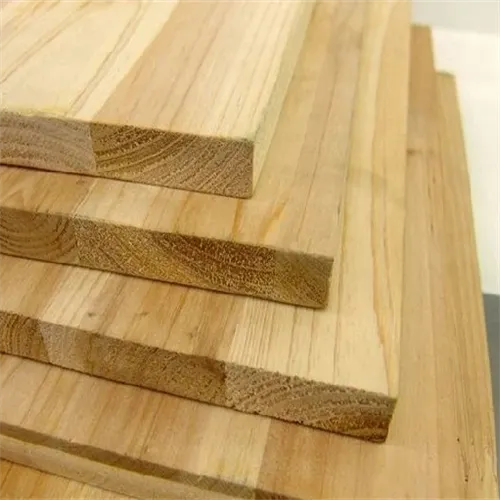
One of the big advantages of using poplar wood board for bookshelves is its cost. Compared to many other woods, poplar is quite affordable. This makes it a great option for those on a budget, whether you're a DIY enthusiast building a bookshelf for your home or a small - scale furniture maker looking to keep costs down. You can get a decent amount of Poplar Finger Joint Board at a reasonable price, which is always a plus.
Another pro is its workability. Poplar is easy to cut, shape, and sand. If you're new to woodworking, this is a huge benefit. You can use basic hand tools or power tools to work with poplar wood without too much hassle. It takes nails and screws well, and gluing pieces together is also a breeze. This ease of workability means you can create a bookshelf with a relatively smooth finish, even if you're not an experienced woodworker.
Poplar also has a fairly uniform grain pattern. It doesn't have the wild, distinct grains that some other woods have, which can be a good thing if you're going for a more subtle, modern look in your bookshelf. You can paint or stain poplar to match your interior decor easily. Whether you want a bright white bookshelf to add a touch of freshness to a room or a dark - stained one for a more rustic feel, poplar can handle it.
Now, let's look at the cons. One of the main drawbacks of poplar wood for bookshelves is its durability. Since it's a softer wood, it's more prone to dents and scratches. If you have a busy household with kids or pets, the bookshelf might start to show wear and tear over time. Heavy books can also cause the shelves to sag if the boards aren't thick enough or properly supported.
Poplar is also more susceptible to moisture damage. If it gets wet, it can warp or develop mold. So, if you're planning to put the bookshelf in a damp area like a basement or near a window where it might get splashed, you'll need to take extra precautions. You can seal the wood with a good quality waterproof finish, but it's still something to keep in mind.
When it comes to strength, poplar may not be the best choice for very large or heavy - duty bookshelves. If you're planning to store a massive collection of hardcover books, you might want to consider using a stronger wood like oak. However, for a small to medium - sized bookshelf with average - weight books, poplar can do the job just fine.
In terms of appearance, while the uniform grain can be an advantage, some people prefer the more character - filled look of other woods. The lack of a distinct grain might make the bookshelf seem a bit plain to some, especially if you're going for a more traditional or rustic aesthetic.
But don't let the cons scare you off completely. With proper care and design, poplar wood can make a great bookshelf. If you're worried about durability, you can reinforce the shelves with additional supports. You can also choose a thicker Poplar Wood Finger Joint Board to prevent sagging. And as long as you keep the bookshelf away from moisture and use a good finish, you can minimize the risk of damage.

If you're considering using poplar wood for your bookshelf project, here are some tips. First, choose high - quality poplar boards. Look for boards that are straight, without any visible knots or cracks. Knots can weaken the wood and make it more likely to break or split.
When you're building the bookshelf, make sure to use proper joinery techniques. Mortise and tenon joints or dovetail joints are stronger than simple butt joints. You can also use corner brackets for extra support, especially at the corners of the bookshelf.
Finish the bookshelf properly. Sand it smooth before applying any paint or stain. This will ensure a nice, even finish. If you're painting, use a primer first to help the paint adhere better. And don't forget to seal the edges and the back of the bookshelf to protect it from moisture.
In conclusion, poplar wood board can definitely be used for making bookshelves. It has its limitations, but with the right approach, you can create a functional and attractive bookshelf. Whether you're a DIYer or a furniture maker, poplar offers an affordable and workable option.
If you're interested in purchasing Poplar Solid Wood or other poplar wood boards for your bookshelf project, feel free to reach out for a chat. We can discuss your specific needs and help you find the right products. Let's turn your bookshelf vision into a reality!
References:
- Woodworking magazines and online forums for general wood properties and workability information
- Personal experience as a poplar wood board supplier