

Can solid wood boards be stained?
Aug 20, 2025
Leave a message
Solid wood boards are a timeless and versatile material in the world of construction and woodworking. As a solid wood board supplier, I often get asked the question: Can solid wood boards be stained? The answer is a resounding yes, and in this blog, I'll delve into the details of staining solid wood, the benefits, the process, and some considerations to keep in mind.
Why Stain Solid Wood Boards?
Staining solid wood boards offers a multitude of benefits. First and foremost, it enhances the natural beauty of the wood. Wood has a unique grain pattern and texture, and staining can bring out these features, making the wood look more vibrant and rich. Whether you're using the wood for furniture, flooring, or decorative elements, staining can transform the appearance of the final product.
Secondly, staining provides protection for the wood. It acts as a barrier against moisture, which can cause the wood to warp, crack, or rot. By sealing the pores of the wood, stain helps to prevent water from penetrating, thus extending the lifespan of the wood. Additionally, some stains contain UV inhibitors, which can protect the wood from fading and discoloration caused by sunlight exposure.
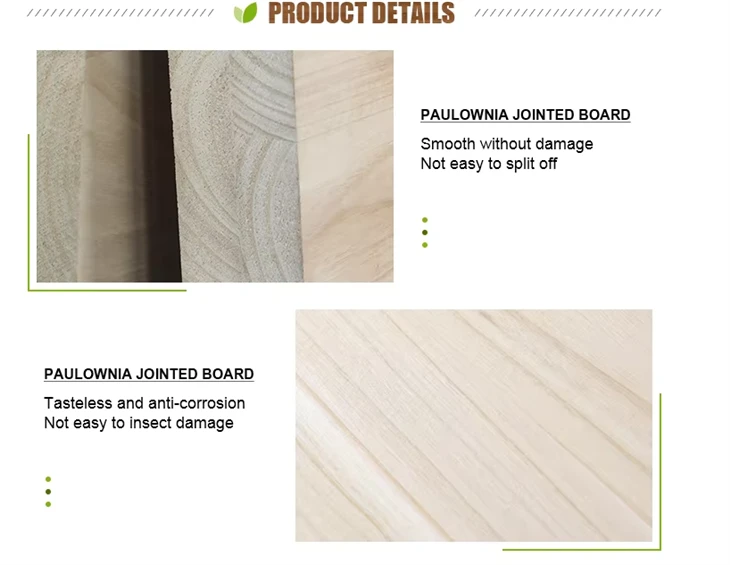
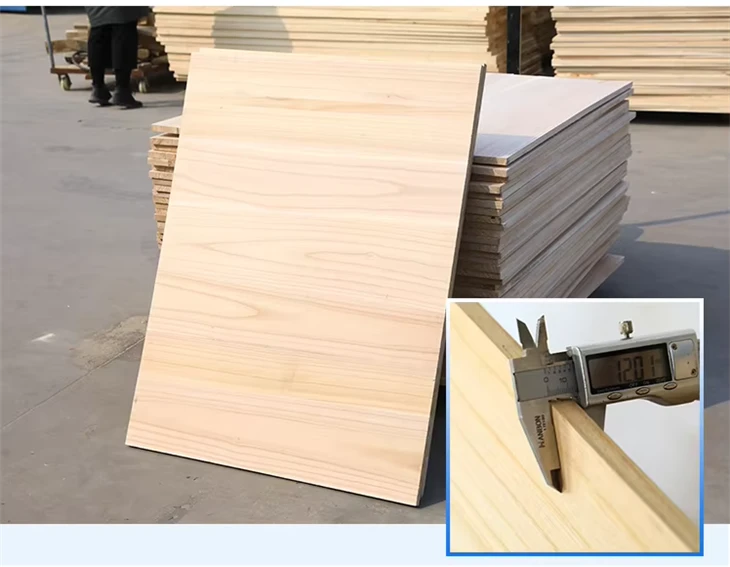
Another advantage of staining is that it allows for customization. With a wide range of stain colors available, you can achieve the exact look you want for your project. Whether you prefer a light, natural look or a deep, rich color, there's a stain that can meet your needs. This flexibility makes solid wood boards a popular choice for both traditional and contemporary designs.
Types of Solid Wood Boards Suitable for Staining
Not all solid wood boards are created equal when it comes to staining. Some woods absorb stain more evenly and beautifully than others. Here are a few types of solid wood boards that are well-suited for staining:
- Oak: Oak is a popular choice for staining due to its open grain structure, which allows the stain to penetrate deeply and bring out the wood's natural beauty. It can take on a wide range of stain colors, from light to dark, and is often used for furniture, flooring, and cabinetry.
- Maple: Maple has a fine, even grain that takes stain well, resulting in a smooth, consistent finish. It is commonly used for furniture and cabinetry, and can be stained to mimic the look of more expensive woods.
- Cherry: Cherry wood has a warm, reddish-brown color that deepens and richens with age. When stained, it can enhance the wood's natural color and give it a luxurious appearance. Cherry is often used for high-end furniture and decorative elements.
- Walnut: Walnut is a dense, dark wood with a beautiful grain pattern. It takes stain very well and can be stained to enhance its natural color or to achieve a different look. Walnut is commonly used for furniture, flooring, and gunstocks.
As a solid wood board supplier, we offer a variety of these woods in different sizes and thicknesses to meet your project requirements. You can explore our selection of Paulownia Bead Board, Paulownia Batten Uv Drawer Side Bed Side Drawer Board, and Timber For Cabinet Making to find the perfect wood for your staining project.
The Staining Process
Staining solid wood boards is a relatively straightforward process, but it does require some preparation and attention to detail. Here's a step-by-step guide to help you achieve the best results:
- Prepare the Wood: Before staining, it's important to prepare the wood surface. Start by sanding the wood to smooth out any rough spots or imperfections. Use a fine-grit sandpaper to achieve a smooth finish. Wipe the wood clean with a tack cloth to remove any dust or debris.
- Test the Stain: It's a good idea to test the stain on a small, inconspicuous area of the wood first to see how it looks and how the wood absorbs it. This will help you determine the color and the number of coats you'll need.
- Apply the Stain: Using a brush, roller, or cloth, apply the stain evenly to the wood surface. Work in the direction of the grain to ensure a smooth, consistent finish. Apply the stain liberally, but avoid over-applying, as this can cause the stain to pool or drip.
- Let the Stain Penetrate: Allow the stain to penetrate the wood for the recommended amount of time, usually between 5 and 15 minutes. The longer you let the stain sit, the darker the color will be.
- Wipe off the Excess: After the recommended time has passed, use a clean cloth to wipe off any excess stain. Make sure to wipe in the direction of the grain to avoid streaking.
- Let the Stain Dry: Allow the stain to dry completely before applying a topcoat. This usually takes at least 24 hours, but it may take longer depending on the type of stain and the environmental conditions.
- Apply a Topcoat: Once the stain is dry, apply a topcoat to protect the wood and give it a durable finish. You can choose from a variety of topcoats, such as polyurethane, varnish, or lacquer. Follow the manufacturer's instructions for application and drying times.
Considerations When Staining Solid Wood Boards
While staining solid wood boards can produce beautiful results, there are a few things to keep in mind to ensure a successful project:
- Wood Quality: The quality of the wood can affect how well it stains. Make sure to choose high-quality solid wood boards that are free of knots, cracks, or other defects. These imperfections can cause the stain to absorb unevenly, resulting in a blotchy or inconsistent finish.
- Stain Compatibility: Not all stains are compatible with all types of wood. Make sure to choose a stain that is specifically designed for the type of wood you're using. Some woods may require a pre-stain conditioner to ensure even stain absorption.
- Environmental Conditions: The temperature and humidity can affect the staining process. It's best to stain the wood in a well-ventilated area with a temperature between 60°F and 80°F and a relative humidity of 30% to 50%. Extreme temperatures or high humidity can cause the stain to dry too quickly or too slowly, resulting in a poor finish.
- Safety Precautions: Staining involves working with chemicals, so it's important to take appropriate safety precautions. Wear gloves, goggles, and a respirator to protect yourself from the stain and fumes. Make sure to work in a well-ventilated area to avoid inhaling the fumes.
Conclusion
In conclusion, solid wood boards can definitely be stained, and staining offers numerous benefits, including enhanced beauty, protection, and customization. As a solid wood board supplier, we offer a wide range of high-quality wood boards that are suitable for staining. Whether you're a professional woodworker or a DIY enthusiast, we can help you find the perfect wood for your project.
If you're interested in purchasing solid wood boards for your staining project, we invite you to contact us to discuss your requirements and explore our product selection. Our team of experts is available to provide you with advice and guidance to ensure a successful project. Don't hesitate to reach out and start creating your dream project with our solid wood boards.
References
- Wood Finishing: The Complete Guide by Robert W. Lang
- The Woodworker's Companion by Chris Schwarz