

Do wooden wine boxes have a good shock - absorption ability?
Oct 20, 2026
Leave a message
Do wooden wine boxes have a good shock - absorption ability?
As a supplier of wooden wine boxes, I often encounter various questions from customers, and one of the most frequent ones is about the shock - absorption ability of our wooden wine boxes. In this blog, I will delve into this question and provide a detailed analysis based on scientific knowledge and practical experience.
The Structure and Material of Wooden Wine Boxes
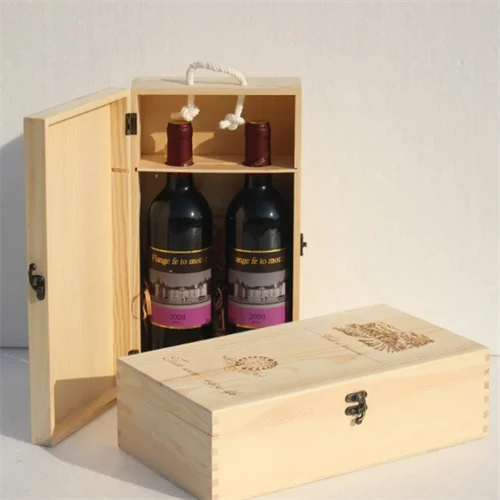
Wood is a natural material that has been used for centuries in packaging. Our wooden wine boxes are typically made from high - quality woods such as Scotch pine. Scotch Pine Wine Box offers a unique combination of strength and flexibility. The cellular structure of wood consists of long, hollow cells that can act as small shock - absorbing units. When an external force is applied to the box, these cells compress and deform slightly, absorbing the energy of the impact.
The Shock - Absorption Mechanism of Wood
The shock - absorption ability of wood can be understood from a physical perspective. Wood has a certain degree of elasticity. When a wine bottle is placed inside the wooden box and the box experiences a shock, the wood can bend and flex to a certain extent. This bending and flexing process converts the kinetic energy of the shock into elastic potential energy within the wood. As the wood returns to its original shape, the energy is gradually dissipated, thus protecting the wine bottle from damage.
For example, if a wooden wine box is dropped from a certain height, the wood will first absorb the impact energy. The outer layer of the wood may experience some minor deformation, but this deformation helps to prevent the energy from being directly transferred to the wine bottle. In comparison, materials like plastic or metal may transfer the shock more directly, increasing the risk of the wine bottle breaking.
Scientific Studies on Wood's Shock - Absorption
Numerous scientific studies have been conducted on the mechanical properties of wood, including its shock - absorption ability. Research has shown that the density and grain structure of wood play important roles in its shock - absorption performance. Woods with a medium density, such as the ones used in our Wooden Wine Boxes, tend to have better shock - absorption characteristics.
The grain of the wood also affects how it absorbs shocks. Wood with a straight and uniform grain can distribute the shock more evenly across the box, reducing the stress concentration on any single point. This is crucial for protecting the wine bottle, as uneven stress can lead to cracking or breaking.
Practical Applications and Customer Feedback
In practical applications, our wooden wine boxes have proven to be reliable in protecting wine bottles during transportation. Many of our customers have reported that their wine bottles arrived in perfect condition after being shipped in our wooden boxes. For instance, a winery that regularly exports its products to different countries has been using our Wooden Wine Gift Box for several years. They have noticed a significant reduction in the number of broken wine bottles during transit since they started using our wooden boxes.
Comparison with Other Packaging Materials
When compared with other packaging materials, wooden wine boxes have several advantages in terms of shock - absorption. Styrofoam, for example, is a common packaging material known for its shock - absorption. However, it is not an environmentally friendly option. Wood, on the other hand, is a renewable resource and can be recycled.

Plastic boxes may be lightweight and cost - effective, but they lack the natural shock - absorption ability of wood. Metal boxes are strong but can transfer shocks more easily to the contents inside. In contrast, wooden wine boxes offer a balance between protection and environmental friendliness.
Factors Affecting the Shock - Absorption Ability of Wooden Wine Boxes
There are several factors that can affect the shock - absorption ability of wooden wine boxes. The thickness of the wood is an important factor. Thicker wood generally provides better shock - absorption, but it also increases the weight and cost of the box. We carefully select the appropriate thickness of wood for our boxes to ensure a good balance between protection and cost - effectiveness.
The design of the box also plays a role. A well - designed wooden wine box with internal dividers and padding can further enhance the shock - absorption ability. The dividers help to separate the wine bottles and prevent them from colliding with each other, while the padding provides an additional layer of protection.
Conclusion
In conclusion, wooden wine boxes do have a good shock - absorption ability. The natural structure and properties of wood, combined with proper design and material selection, make them an excellent choice for protecting wine bottles. Our company, as a professional wooden wine box supplier, is committed to providing high - quality products that offer reliable shock - absorption.
If you are interested in our wooden wine boxes and would like to discuss procurement, please feel free to contact us. We look forward to working with you to meet your packaging needs.
References
- "Mechanical Properties of Wood" - A comprehensive study on the mechanical characteristics of wood, including shock - absorption.
- Industry reports on wine packaging materials and their performance in protecting wine bottles.