

Does paulownia wood board emit harmful substances?
Jul 17, 2025
Leave a message
As a supplier of paulownia wood boards, I often encounter questions from customers about the safety of the products we offer. One of the most frequently asked questions is whether paulownia wood boards emit harmful substances. In this blog post, I will delve into this topic, providing scientific insights and evidence to address these concerns.
The Nature of Paulownia Wood
Paulownia is a fast - growing tree species known for its light weight, high strength - to - weight ratio, and excellent workability. It has been used in various applications for centuries, from traditional handicrafts to modern furniture and construction. The natural properties of paulownia wood make it an attractive choice for many consumers.
Paulownia wood is composed mainly of cellulose, hemicellulose, and lignin, which are common components in all wood species. These substances are generally considered safe and non - toxic. Unlike some synthetic materials, paulownia wood is a natural and renewable resource, which inherently gives it an edge in terms of environmental friendliness.
Emission of Volatile Organic Compounds (VOCs)
Volatile Organic Compounds are a group of chemicals that can be emitted as gases from certain solids or liquids. Some VOCs are harmful to human health, especially in high concentrations or with long - term exposure. They can cause various health problems, including eye, nose, and throat irritation, headaches, nausea, and in severe cases, damage to the liver, kidneys, or central nervous system.
In the case of paulownia wood boards, the emission of VOCs is relatively low. Natural wood, including paulownia, does emit a small amount of VOCs, mainly due to the presence of natural resins and essential oils. However, the levels are typically well below the safety standards set by regulatory authorities.
A study conducted by the Forest Products Laboratory examined the VOC emissions of different wood species. The results showed that paulownia wood had a lower emission rate compared to some other common hardwoods. This is because paulownia has a relatively low resin content, which is one of the main sources of VOC emissions in wood.
Formaldehyde Emission
Formaldehyde is a well - known VOC that is of particular concern due to its potential carcinogenicity. It is commonly found in wood products that use adhesives, such as plywood and particleboard.
When it comes to paulownia wood boards, if they are in their natural, untreated state, the formaldehyde emission is extremely low. Pure paulownia wood contains only trace amounts of formaldehyde, which is a natural by - product of the wood's metabolic processes.
However, if the paulownia wood boards are processed into composite products, such as laminated boards or furniture with glued joints, the formaldehyde emission may increase depending on the type of adhesive used. High - quality adhesives with low formaldehyde content are available in the market. As a responsible supplier, we ensure that all our processed paulownia wood products comply with strict formaldehyde emission standards. For example, our products meet the E1 or even E0 grade standards, which means the formaldehyde emission is within the safe range for indoor use.
Other Potential Harmful Substances
Apart from VOCs and formaldehyde, there are other potential harmful substances that consumers may be worried about, such as heavy metals. Paulownia trees have a relatively low tendency to accumulate heavy metals from the soil. The growth environment of paulownia also plays a crucial role. We source our paulownia wood from well - managed forests with clean soil and water sources, minimizing the risk of heavy metal contamination.
Applications of Paulownia Wood Boards and Their Safety
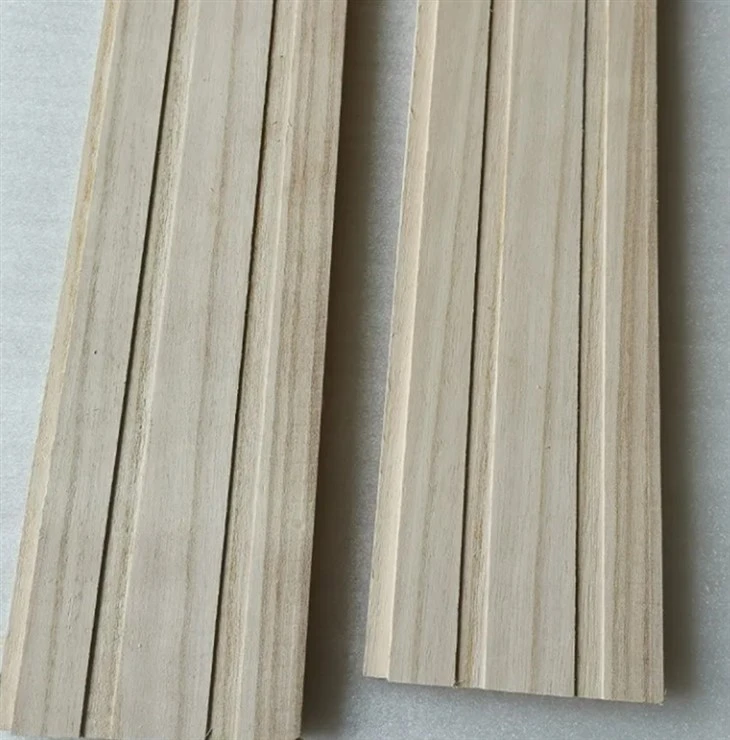
Our paulownia wood boards are used in a wide range of applications. For example, Paulownia Bed Slats are a popular product. Since beds are in close contact with people for long periods, the safety of the materials is of utmost importance. The low emission of harmful substances in paulownia wood makes it a safe choice for bed slats. You can rest assured that you are sleeping on a product that is not releasing excessive amounts of harmful chemicals.
Wood Wall Panel Nice Grain is another application. Wall panels are used to decorate indoor spaces. The low VOC and formaldehyde emissions of our paulownia wood wall panels ensure that the indoor air quality is not compromised. They add a natural and aesthetic touch to the room without posing a health risk.
Board Eco Friendly Paulownia Straight Coffin Wood Board is also an important product in our portfolio. For coffin boards, the natural and non - toxic nature of paulownia wood is highly valued. It provides a peaceful and environmentally friendly option for the final resting place.
Quality Control and Certification
To ensure the safety and quality of our paulownia wood boards, we have a strict quality control system in place. Our products are regularly tested by independent third - party laboratories. We also hold various certifications, such as the Forest Stewardship Council (FSC) certification, which indicates that our wood comes from sustainably managed forests. In addition, our products meet the relevant national and international standards for emissions of harmful substances.
Conclusion
In conclusion, paulownia wood boards emit very low levels of harmful substances, including VOCs and formaldehyde. The natural properties of paulownia wood, combined with strict quality control measures, make it a safe and environmentally friendly choice for a wide range of applications.
If you are interested in our paulownia wood boards, whether it is for bed slats, wall panels, coffin boards, or other purposes, we welcome you to contact us for more information and to discuss your procurement needs. We are committed to providing high - quality products and excellent service to our customers.
References
- Forest Products Laboratory. "Study on VOC Emissions of Different Wood Species." [Publication details]
- National Institute of Standards and Technology. "Formaldehyde Emission Standards for Wood Products." [Publication details]
- World Health Organization. "Guidelines on Indoor Air Quality: Volatile Organic Compounds." [Publication details]