

How does paulownia wood board compare with pine wood board?
Oct 07, 2025
Leave a message
Hey there! As a supplier of paulownia wood boards, I get asked a lot about how it stacks up against pine wood boards. Let's dive right in and break down the differences between these two popular types of wood boards.
Appearance
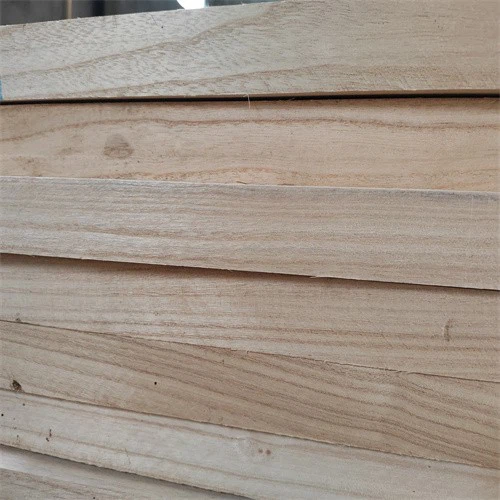
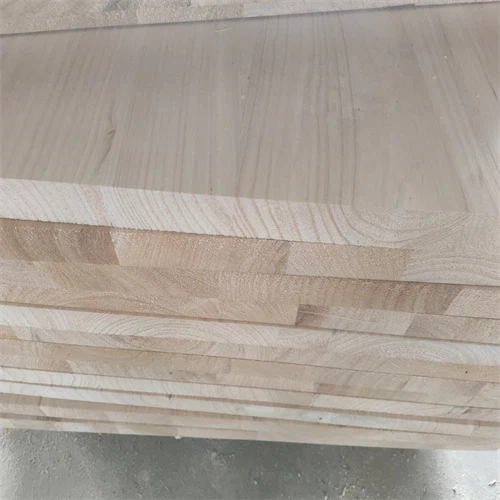
First off, let's talk about how they look. Paulownia wood has a really light - colored, almost creamy tone. It's got a fine and even grain pattern, which gives it a clean and modern look. It's kind of like the minimalist of the wood world. You won't see any crazy, wild grain patterns that might be a bit too much in some settings.
On the other hand, pine wood has a more rustic charm. It can range from a pale yellow to a light brown color. Pine often has distinct knots and a more pronounced grain pattern. These knots add character, but they might not be everyone's cup of tea. If you're going for a super sleek, contemporary look, paulownia might be your best bet. But if you love that warm, country - style feel, pine could be the way to go.
Weight
Now, weight is a biggie, especially if you're planning to move your furniture around a lot. Paulownia wood is incredibly lightweight. It's one of the lightest hardwoods out there. This makes it a breeze to handle during installation or when you're rearranging your room. For example, if you're building a Solid Wood Drawer Board, the light weight of paulownia means you can easily pull out the drawers without much effort.
Pine, while not extremely heavy, is still heavier than paulownia. It has a bit more heft to it. This can be an advantage in some cases, like if you want a piece of furniture to feel more substantial. But if you're working on a project where weight is a concern, such as building a mobile display or a piece that needs to be easily transported, paulownia has the upper hand.
Durability
When it comes to durability, both woods have their pros and cons. Paulownia wood has natural anti - fungal and anti - termite properties. This means it's less likely to get damaged by pests or rot. It can withstand a fair amount of wear and tear, especially in indoor settings. However, it's not as hard as some other woods, so it might get scratched more easily if you're not careful.
Pine is a bit harder than paulownia. It can handle more rough treatment and is less likely to dent or scratch. But pine is more susceptible to moisture damage. If it gets wet and isn't dried properly, it can warp or start to rot. So, if you're using the wood in a damp environment, like a bathroom or a basement, paulownia might be a better choice.
Workability
Workability is crucial, especially for DIYers. Paulownia wood is a dream to work with. It cuts, sands, and nails really easily. You don't need heavy - duty tools to shape it. It's also very forgiving if you make a mistake. For instance, if you're building a Paulownia Solid Wood Bed Board, you can easily adjust the size and shape without too much hassle.
Pine is also relatively easy to work with, but it can be a bit trickier. The knots in pine can sometimes cause problems when cutting or drilling. You might need to be more careful and use sharper tools to get a clean cut.
Cost
Cost is always a factor when you're making a purchase. Paulownia wood is generally more affordable than pine. This is because paulownia trees grow really fast, which means there's a larger supply. So, if you're on a tight budget, paulownia can give you a lot of bang for your buck. You can get high - quality paulownia boards at a lower price compared to pine.
Environmental Impact
In today's world, environmental impact is important. Paulownia trees are known for their fast growth rate. They can reach maturity in just a few years, which means they can be harvested more sustainably. They also absorb a large amount of carbon dioxide, making them great for the environment.
Pine trees take longer to grow. The demand for pine has also led to some deforestation in certain areas. So, if you're looking for an eco - friendly option, paulownia is the clear winner.
Applications
Both woods have a wide range of applications. Paulownia wood is great for making furniture like beds, drawers, and cabinets. Its light weight and easy workability make it ideal for these projects. You can also use Paulownia Wood Board Strips for decorative purposes, like creating unique wall panels.
Pine is commonly used for construction, like building frames and floors. Its strength and durability make it suitable for these heavy - duty applications. It's also a popular choice for outdoor furniture, although it needs to be treated properly to protect it from the elements.
Conclusion
So, there you have it! Paulownia wood boards and pine wood boards each have their own unique features. Paulownia is lightweight, affordable, easy to work with, and eco - friendly. It's perfect for those who want a modern look and are on a budget. Pine, on the other hand, is more rustic, stronger, and better for heavy - duty applications.
If you're interested in purchasing paulownia wood boards for your next project, I'd love to have a chat with you. Whether you're a DIY enthusiast or a professional builder, we can find the right products to meet your needs. Just reach out, and we can start the conversation about your wood board requirements.
References
- "Wood Handbook: Wood as an Engineering Material." Forest Products Laboratory.
- "The Encyclopedia of Wood." Various authors.