

How long does pine veneer last?
Aug 01, 2025
Leave a message
Hey there! As a pine veneer supplier, I often get asked how long pine veneer lasts. It's a valid question, especially if you're planning to invest in this beautiful and versatile material. In this blog post, I'll share some insights on the lifespan of pine veneer and factors that can affect it.
What is Pine Veneer?
Before we dive into its lifespan, let's quickly understand what pine veneer is. Pine veneer is a thin layer of pine wood that's sliced or peeled from a log. It's then glued onto a substrate, like plywood or MDF, to create a decorative surface. Pine veneer is popular for furniture, cabinetry, wall paneling, and more because it offers the natural beauty of wood at a more affordable price compared to solid wood.
Average Lifespan of Pine Veneer
On average, pine veneer can last anywhere from 10 to 20 years. However, this can vary widely depending on several factors. In ideal conditions, with proper care and maintenance, you might even get more than 20 years of use out of it. On the other hand, if it's exposed to harsh conditions or not maintained well, its lifespan could be significantly shorter.
Factors Affecting the Lifespan of Pine Veneer
1. Quality of the Veneer
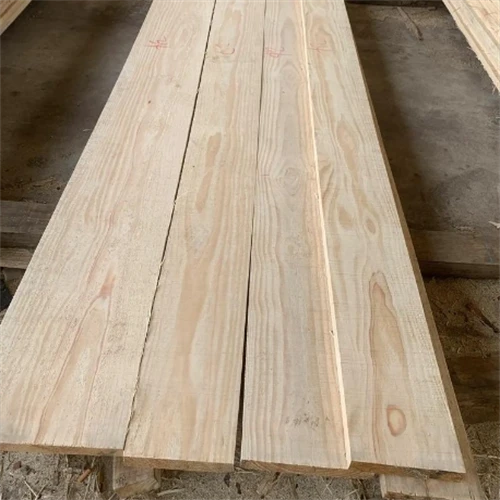
The quality of the pine veneer you start with plays a huge role. High - quality veneers are made from well - selected pine logs, with fewer knots, cracks, or other defects. They're also more likely to be cut and processed in a way that ensures a consistent thickness and a smooth surface. When you invest in a high - quality pine veneer, you're giving yourself a better chance of a longer lifespan. For example, veneers with a tight grain pattern are generally more durable than those with a looser grain.

2. Installation
Proper installation is crucial. If the veneer isn't installed correctly, it can start to peel, bubble, or warp over time. The substrate needs to be clean, dry, and flat before applying the veneer. The adhesive used also matters; a high - quality adhesive will bond the veneer to the substrate more effectively, preventing it from coming loose. If you're not confident in your installation skills, it's a good idea to hire a professional.
3. Environmental Conditions
The environment where the pine veneer is used has a big impact on its lifespan.
- Humidity: Pine is a porous wood, and it can absorb and release moisture depending on the humidity levels in the air. In areas with high humidity, the veneer may swell, which can lead to warping or buckling. In low - humidity environments, it may shrink and crack. Ideally, the relative humidity should be kept between 30% and 50%.
- Temperature: Extreme temperatures can also damage pine veneer. Exposure to direct sunlight for long periods can cause the veneer to fade and dry out. High - temperature environments, like those near heating vents, can also make the veneer brittle and more prone to cracking.
4. Usage and Maintenance
How the pine veneer is used and maintained will determine how long it lasts.
- Usage: In high - traffic areas or places where the veneer is likely to be bumped, scratched, or exposed to chemicals, it will wear out faster. For example, a pine veneer table in a busy restaurant will face more wear and tear than one in a rarely - used guest room.
- Maintenance: Regular cleaning and proper care can extend the lifespan of pine veneer. Use a soft, damp cloth to wipe it down, and avoid using harsh chemicals or abrasive cleaners that can damage the finish. You may also want to apply a protective finish, like wax or oil, periodically to keep the veneer looking good and protect it from moisture and scratches.
Comparing Pine Veneer with Other Pine Products
It's interesting to compare the lifespan of pine veneer with other pine products. For instance, Pine Solid Wood Board is a solid piece of pine. It can be very durable, but it's also more prone to warping and shrinking due to changes in humidity. Since it's a thicker piece of wood, it may take longer to show signs of wear, but once it does, the damage can be more severe.
Edge Glued Pine Board is made by gluing together narrow strips of pine wood. It's more stable than solid wood in terms of moisture changes, but it may still have joints that can come loose over time.
Radiata Pine Finger Joint Board uses finger - jointed pieces of pine, which gives it good strength. However, the joints can be a weak point if not properly made or maintained.
Tips to Extend the Lifespan of Pine Veneer
- Control the Environment: Use a humidifier or dehumidifier to keep the humidity levels stable. Keep the veneer away from direct sunlight and heat sources.
- Use Protective Pads: Place felt pads under the legs of furniture to prevent scratches when moving it. Use coasters under glasses and cups to avoid water rings.
- Regular Inspections: Check the veneer periodically for any signs of damage, like peeling or cracking. If you notice any issues early, you can take steps to fix them before they get worse.
Conclusion
So, to sum it up, the lifespan of pine veneer can vary from 10 to 20 years or more, depending on several factors. By choosing a high - quality veneer, having it installed correctly, controlling the environment, and maintaining it well, you can get the most out of your pine veneer investment.
If you're in the market for pine veneer, whether it's for a new furniture project or a renovation, I'd love to help. I can offer you high - quality pine veneers that are carefully selected and processed. Contact me for more information, and let's start a discussion about your specific needs. We can talk about the best type of veneer for your project, and I'll be happy to provide you with a quote.
References
- Wood Handbook: Wood as an Engineering Material. Forest Products Laboratory.
- "Durability of Wood and Wood - Based Products" by various authors in the Journal of Wood Science.