

How to select solid wood boards for a specific project?
Aug 11, 2025
Leave a message
Hey there! As a solid wood board supplier, I've seen a lot of folks scratching their heads when it comes to picking the right solid wood boards for their projects. It's not as simple as just walking into a store and grabbing the first board you see. There are tons of factors to consider, and in this blog, I'm gonna break it all down for you.
Understanding Your Project
First things first, you need to have a clear idea of what you're building. Is it a small DIY craft, like a wooden box or a picture frame? Or are you taking on a big project, such as building a custom kitchen cabinet or a dining table? The nature of your project will heavily influence the type of solid wood board you should choose.
For example, if you're making a Wooden Breaking Board, you'll need a board that's strong and durable. You don't want it to break easily when you're using it. On the other hand, if you're creating a decorative piece, like a wall art frame, you might be more focused on the aesthetic appeal of the wood, such as its grain pattern and color.
Types of Solid Wood Boards
There are several types of solid wood boards out there, and each has its own unique characteristics. Let's take a look at some of the common ones.
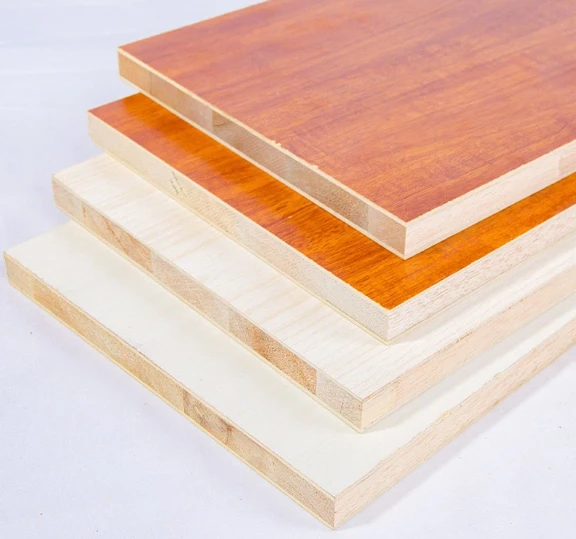

Block Board
Block Board is a popular choice for many projects. It consists of a core made up of strips of wood that are glued together, with veneer layers on both sides. This construction gives it good strength and stability. Block board is often used for making furniture, doors, and partitions. It's relatively affordable and easy to work with, making it a great option for beginners.
Pine Table Top Acacia Conical Wood Board
The Pine Table Top Acacia Conical Wood Board is a bit more specialized. Pine is a softwood that's known for its light color and straight grain. It's easy to cut and shape, which makes it suitable for projects where you need to do a lot of detailed work. Acacia, on the other hand, is a hardwood that's more durable and has a beautiful, distinctive grain pattern. Combining these two types of wood can create a unique and attractive table top.
Factors to Consider When Selecting Solid Wood Boards
Wood Species
The species of wood you choose is crucial. Different wood species have different properties, such as hardness, density, and resistance to decay. For example, oak is a very hard and durable wood, making it a great choice for furniture that will see a lot of use. Cedar, on the other hand, is naturally resistant to rot and insects, so it's often used for outdoor projects like decks and fences.
Grain Pattern
The grain pattern of the wood can add a lot of character to your project. Some people prefer a straight, uniform grain, while others like the more irregular and interesting patterns that can be found in some woods. The grain pattern can also affect the strength of the wood. For example, wood with a tight, straight grain is generally stronger than wood with a loose or wavy grain.
Moisture Content
The moisture content of the wood is another important factor. Wood that's too wet can warp, crack, or develop mold as it dries. On the other hand, wood that's too dry can be brittle and difficult to work with. You want to choose wood that has a moisture content that's appropriate for your project and the environment where it will be used. A moisture meter can be a handy tool to help you determine the moisture content of the wood.
Size and Thickness
Make sure you choose a board that's the right size and thickness for your project. If the board is too thin, it might not be strong enough, and if it's too thick, it could be overkill and more expensive. Measure your project carefully and choose a board that will fit your needs.
Quality Checks
When you're at the store or looking at samples, there are a few things you can do to check the quality of the solid wood boards.
Look for Defects
Inspect the board for any visible defects, such as knots, cracks, or splits. While some small knots can add character to the wood, large or loose knots can weaken the board. Cracks and splits can also affect the strength and appearance of the final product.
Check the Edges
The edges of the board should be straight and smooth. If the edges are rough or uneven, it can make it difficult to join the boards together properly.
Feel the Surface
Run your hand over the surface of the board. It should be smooth and free of any bumps or ridges. A rough surface can indicate poor quality or improper milling.
Where to Buy Solid Wood Boards
There are several places where you can buy solid wood boards. You can go to a local lumberyard, a home improvement store, or even buy online. Each option has its pros and cons.
A local lumberyard might have a wider selection of wood species and sizes, and the staff there can often provide you with expert advice. Home improvement stores are convenient and usually have a good selection of commonly used wood boards. Buying online can give you access to a larger variety of products, but you won't be able to inspect the boards in person before you buy them.
Cost Considerations
The cost of solid wood boards can vary widely depending on the wood species, quality, and size. It's important to set a budget for your project and try to find a board that fits within that budget. Remember, though, that you often get what you pay for. Cheaper boards might have more defects or be of lower quality, which could end up costing you more in the long run if you have to replace them or deal with problems during the construction process.
Conclusion
Selecting the right solid wood boards for your project can seem like a daunting task, but if you take the time to understand your project, consider the different factors, and do your quality checks, you'll be well on your way to finding the perfect boards. Whether you're a seasoned woodworker or a beginner just starting out, choosing the right wood is essential for a successful project.
If you're interested in purchasing solid wood boards for your project, I'd love to chat with you. We have a wide range of high-quality solid wood boards available, and our team can help you find the perfect ones for your needs. Just reach out, and we'll start the conversation.
References
- Wood Handbook: Wood as an Engineering Material. Forest Products Laboratory.
- Understanding Wood: A Craftsman's Guide to Wood Technology. R. Bruce Hoadley.