

How to store Poplar Drawer Board?
Jan 20, 2026
Leave a message
As a supplier of Poplar Drawer Boards, I understand the importance of proper storage to maintain the quality and integrity of these products. In this blog post, I'll share some valuable insights on how to store Poplar Drawer Boards effectively.
1. Understanding the Characteristics of Poplar Drawer Boards
Poplar wood is known for its relatively soft texture, light color, and good workability. Poplar Drawer Boards are commonly used in furniture making due to their affordability and versatility. However, they are also susceptible to certain environmental factors such as moisture, temperature changes, and physical damage.
Moisture is one of the biggest enemies of Poplar Drawer Boards. Excessive moisture can cause the wood to swell, warp, or even develop mold and mildew. On the other hand, extremely dry conditions can lead to shrinkage and cracking. Temperature fluctuations can also have a negative impact on the wood, causing it to expand and contract, which may result in structural damage over time.
2. Selecting the Right Storage Location
The first step in storing Poplar Drawer Boards is to choose an appropriate location. The storage area should be clean, dry, and well - ventilated. A warehouse or a storage shed can be suitable options, as long as they meet these basic requirements.
- Avoid Damp Areas: Basements or areas prone to flooding should be avoided. These places usually have high humidity levels, which can quickly damage the Poplar Drawer Boards. If you have no other choice but to use a basement, consider installing a dehumidifier to keep the moisture content in check.
- Maintain Stable Temperature: The storage area should have a relatively stable temperature. Extreme heat or cold can cause the wood to expand or contract rapidly, leading to warping and cracking. Aim for a temperature range between 18°C - 24°C (64°F - 75°F).
- Good Ventilation: Proper ventilation is crucial to prevent the build - up of moisture and stale air. Make sure there are enough vents or windows in the storage area to allow fresh air to circulate. This will help keep the wood dry and reduce the risk of mold growth.
3. Preparing the Boards for Storage
Before storing the Poplar Drawer Boards, it's important to prepare them properly.

- Clean the Boards: Remove any dirt, dust, or debris from the boards using a soft brush or a clean cloth. This will prevent the accumulation of contaminants that could potentially damage the wood over time.
- Inspect for Damage: Carefully examine each board for any signs of damage, such as cracks, knots, or insect infestations. If you find any damaged boards, separate them from the rest and decide whether they can be repaired or should be discarded.
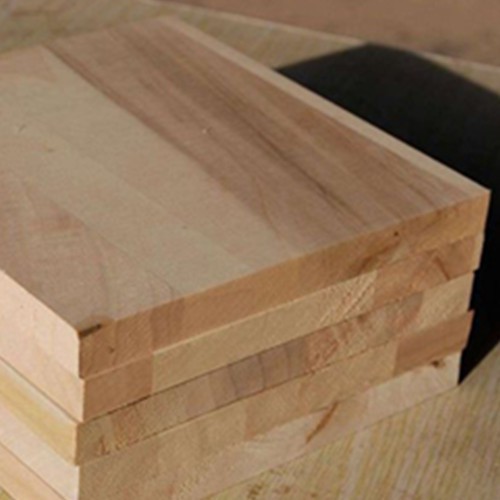
- Stacking: Stack the Poplar Drawer Boards in an orderly manner. Use spacers or stickers between each layer of boards to allow for air circulation. This will help prevent moisture from getting trapped between the boards and reduce the risk of warping. The stacks should be stable and not too high to avoid the risk of collapse.
4. Protecting the Boards During Storage
Once the boards are stacked in the storage area, additional protection measures can be taken to ensure their quality.
- Cover the Boards: Use a waterproof tarp or a plastic sheet to cover the stacks of Poplar Drawer Boards. This will protect them from dust, dirt, and any potential water splashes. Make sure the cover is tightly secured to prevent it from being blown away by the wind.
- Use Desiccants: Placing desiccant packs in the storage area can help absorb excess moisture. Silica gel packs are a popular choice, as they are effective at removing moisture from the air. You can place them around the stacks of boards or in the corners of the storage area.
5. Regular Inspection and Maintenance
Regular inspection of the stored Poplar Drawer Boards is essential to detect any issues early on.
- Check for Moisture: Use a moisture meter to check the moisture content of the boards periodically. The ideal moisture content for Poplar Drawer Boards is between 8% - 12%. If the moisture content is too high, take immediate action to reduce the humidity in the storage area.
- Inspect for Damage: Look for any signs of warping, cracking, or mold growth during each inspection. If you notice any problems, address them promptly. For example, if a board is starting to warp, you may be able to correct it by applying pressure or using clamps.
- Rotate the Stock: To ensure that all the boards are exposed to similar environmental conditions, rotate the stock regularly. This means moving the boards from the bottom of the stack to the top and vice versa.
6. Benefits of Proper Storage
Proper storage of Poplar Drawer Boards offers several benefits.
- Maintain Quality: By storing the boards correctly, you can maintain their quality and appearance. This will make them more attractive to customers and increase their market value.
- Reduce Waste: When the boards are stored properly, the risk of damage is minimized. This means fewer boards will need to be discarded due to warping, cracking, or mold growth, reducing waste and saving costs.
- Customer Satisfaction: Customers expect high - quality products. By providing well - stored Poplar Drawer Boards, you can enhance customer satisfaction and build a good reputation in the market.
7. Related Products
If you are interested in other poplar wood products, we also offer Poplar Bed Slats and Carbonized Boxwood Straight Board. These products also require proper storage to maintain their quality.
Conclusion
Storing Poplar Drawer Boards correctly is essential for maintaining their quality and ensuring their long - term usability. By choosing the right storage location, preparing the boards properly, protecting them during storage, and conducting regular inspections, you can minimize the risk of damage and provide high - quality products to your customers.
If you are interested in purchasing our Poplar Drawer Boards, please feel free to contact us for more information and to discuss your specific requirements. We look forward to working with you.
References
- "Wood Technology and Wood Products" by Alex Shmulsky and P. David Jones.
- "The Wood Handbook: Wood as an Engineering Material" by the Forest Products Laboratory.