

Is pine wood board a renewable resource?
Jan 21, 2026
Leave a message
Hey there! I'm a supplier of pine wood boards, and I often get asked if pine wood board is a renewable resource. It's a great question, and one that's really important in today's world where we're all trying to be more eco - friendly. Let's dive right in and figure this out.
First things first, what does it mean for a resource to be renewable? A renewable resource is something that can be replenished naturally in a relatively short period of time. Think of things like sunlight, wind, and yes, plants. If we can grow it back at a rate that keeps up with or exceeds the rate at which we're using it, then it's a renewable resource.
Pine trees, which are the source of pine wood boards, are pretty amazing in this regard. They're fast - growing trees. Different species of pine have different growth rates, but on average, many pine species can reach a harvestable size in 20 to 30 years. That's not too shabby when you compare it to some other types of trees that can take decades or even centuries to grow.
For example, oak trees, which are also used for making wood products, can take 80 to 100 years to reach maturity. So, in terms of the time it takes to grow back, pine has a clear advantage. This fast growth rate means that we can plant new pine trees as we harvest the mature ones, and keep a steady supply of pine wood coming.
Another aspect to consider is the fact that pine forests can be managed sustainably. Sustainable forestry practices involve carefully planning the cutting of trees. Loggers don't just go in and cut down every single tree in sight. Instead, they select specific trees to harvest based on their size, health, and the overall needs of the forest ecosystem.
When a pine tree is cut down, new seedlings are often planted in its place. These seedlings are given the right conditions to grow, like proper sunlight, water, and nutrients. Forest managers also monitor the growth of the new trees and take steps to protect them from pests and diseases. This way, the forest can continue to thrive and provide a continuous supply of pine wood for making boards.
Now, let's talk about the environmental benefits of pine wood as a renewable resource. Using pine wood boards instead of non - renewable materials like plastic or metal can have a positive impact on the environment. Plastic production is energy - intensive and often relies on fossil fuels, which are non - renewable and contribute to greenhouse gas emissions. Metal extraction and manufacturing also require a lot of energy and can cause environmental damage.
Pine wood, on the other hand, is a natural material. When trees grow, they absorb carbon dioxide from the atmosphere. This helps to reduce the amount of carbon dioxide in the air, which is a major contributor to global warming. Even after the trees are cut down and made into boards, the carbon they've absorbed remains stored in the wood for as long as the boards are in use.
As a pine wood board supplier, I'm proud to be part of an industry that can offer a sustainable and renewable product. We offer a variety of pine wood board products to meet different customer needs. Take a look at our Finer Joint Pine Wood Board, which is perfect for high - quality woodworking projects. It has a smooth finish and a tight joint, making it easy to work with.
If you're into construction, our Pine For Construction Pine Board Pine Strips are a great choice. They're strong and durable, and can be used in a wide range of construction applications, from framing to decking.
And for those who need a more versatile option, our Pine Edge Glued Panel is an excellent solution. It's made by gluing together multiple pine strips along the edges, creating a larger, more stable panel.
But it's not all sunshine and rainbows when it comes to pine wood. There are some challenges that need to be addressed. One issue is the potential for over - harvesting. If forest management practices aren't followed properly, there's a risk that too many pine trees will be cut down without enough being replanted. This can lead to deforestation, which has a number of negative consequences, such as soil erosion, loss of habitat for wildlife, and a decrease in biodiversity.
Another challenge is the impact of pests and diseases. Pine trees can be vulnerable to things like pine beetles and fungal infections. These pests and diseases can kill large numbers of trees, reducing the available supply of pine wood. However, with proper forest management, including regular monitoring and the use of pest control measures when necessary, these problems can be minimized.
In conclusion, pine wood board is definitely a renewable resource. Thanks to the fast growth rate of pine trees and the ability to manage pine forests sustainably, we can keep producing pine wood boards for generations to come. And as consumers become more aware of the environmental impact of their choices, the demand for renewable and sustainable products like pine wood boards is only going to increase.

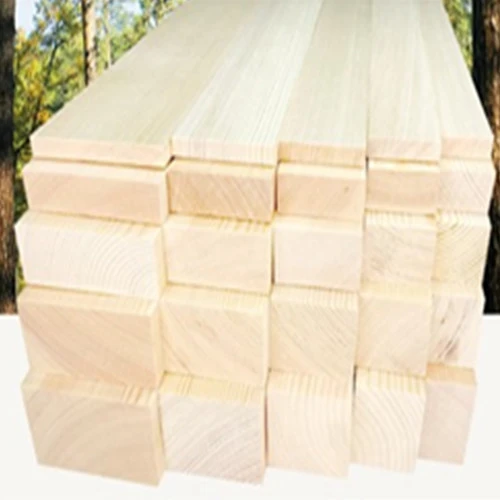
If you're in the market for high - quality pine wood boards, I'd love to talk to you. Whether you're a DIY enthusiast, a professional woodworker, or a construction company, we have the products to meet your needs. Don't hesitate to get in touch to discuss your requirements and start a partnership.
References
- "Forestry and Natural Resources Handbook"
- "Sustainable Wood Products: An Introduction"