

What are the installation methods of poplar wood board flooring?
Jan 12, 2026
Leave a message
Hey there! As a poplar wood board supplier, I've seen firsthand how popular poplar wood board flooring is these days. It's not only beautiful but also quite durable, making it a great choice for many homeowners. Today, I'm gonna share with you the different installation methods of poplar wood board flooring.
1. Floating Installation
The floating installation method is one of the most common ways to install poplar wood board flooring. It's relatively easy and doesn't require you to nail or glue the boards directly to the subfloor.

First off, you need to prepare the subfloor. Make sure it's clean, dry, and level. Any bumps or debris can affect the final look of your flooring. You can use a self - leveling compound if the subfloor has minor unevenness.
Next, lay down an underlayment. This helps to reduce noise, provide some cushioning, and act as a moisture barrier. Roll out the underlayment across the room, overlapping the seams by about 2 inches and taping them together.
Now, it's time to start laying the poplar wood boards. Begin in a corner of the room. Place the first board with the tongue side facing the wall, leaving about a 1/4 - inch gap between the board and the wall. This gap allows the wood to expand and contract with changes in temperature and humidity.
Connect the next board to the first one by inserting the tongue of the new board into the groove of the previous one. You can use a tapping block and a hammer to gently tap the boards together until they fit snugly. As you work your way across the row, cut the last board to fit.
When you start the next row, stagger the joints of the boards. This gives the floor a more natural and aesthetically pleasing look. You can use a spacer to maintain the 1/4 - inch gap along the wall. Keep repeating this process until the entire floor is covered.
One of the great things about the floating installation method is that it's easy to remove and replace individual boards if they get damaged. It's also a good option if you don't want to damage the subfloor.
2. Glue - Down Installation
The glue - down installation method provides a more permanent and stable flooring solution. It's suitable for areas with high traffic or where you want to prevent the boards from shifting.
Again, start by preparing the subfloor. It should be clean, dry, and free of any contaminants. You may need to sand the subfloor to create a rough surface that the glue can adhere to.
Use a notched trowel to apply the flooring adhesive to the subfloor. The size of the notches on the trowel depends on the type of poplar wood board you're using. Spread the glue evenly in small sections at a time, working in a pattern that allows you to lay the boards quickly before the glue dries.
Place the poplar wood boards onto the glued area, pressing them firmly into place. Use a roller to ensure good contact between the board and the subfloor, removing any air bubbles. Make sure to align the boards properly and leave the recommended expansion gap around the perimeter of the room.
Continue applying the glue and laying the boards until the entire floor is covered. It's important to follow the manufacturer's instructions regarding the drying time of the glue. During this time, avoid walking on the newly installed floor.
The glue - down method provides excellent stability, but it can be more challenging to remove and replace boards compared to the floating method.
3. Nail - Down Installation
The nail - down installation method is a traditional way of installing hardwood flooring, and it can also be used for poplar wood board flooring.
Prepare the subfloor as you would for the other methods. It should be in good condition and able to support the weight of the flooring.
Start at the edge of the room. Use a flooring nailer to drive nails through the tongue of the poplar wood board and into the subfloor. The nails should be long enough to penetrate the subfloor securely. Make sure to space the nails according to the manufacturer's recommendations.
As you lay each board, connect it to the previous one by inserting the tongue into the groove. Then, nail it down. Stagger the joints between rows for a better appearance.
When you reach the walls, use a finish nailer to secure the boards along the edges. Leave the expansion gap as before.
The nail - down method provides a very secure installation, but it requires some skill and the right tools. It's also important to be careful not to split the boards when nailing.
Advantages of Poplar Wood Board Flooring
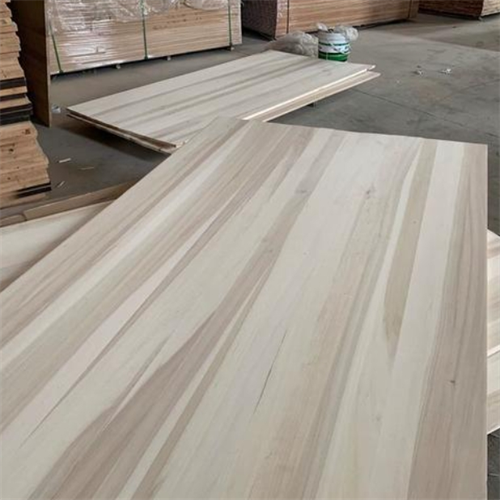
Poplar wood board flooring has several advantages that make it a popular choice. Firstly, it has a beautiful natural grain pattern that adds warmth and character to any room. It can be stained or finished in a variety of colors to match your interior design.
Poplar is also a relatively softwood, which means it's easier to work with compared to some hardwoods. This makes the installation process a bit more forgiving, especially for DIYers.
In addition, poplar wood is more affordable than many other types of hardwood flooring. It offers a cost - effective way to achieve a high - quality look in your home.
Our Poplar Wood Board Products
We offer a wide range of poplar wood board products, including Poplar Drawer Board, Carbonized Boxwood Straight Board, and Poplar Solid Wood Board. These products are made from high - quality poplar wood and are suitable for various applications, including flooring.
If you're interested in purchasing poplar wood board flooring or have any questions about the installation process, feel free to reach out. We're here to help you make the best choice for your home. Whether you're a professional contractor or a DIY enthusiast, we can provide you with the right products and advice.
In conclusion, the choice of installation method for poplar wood board flooring depends on your specific needs, skills, and the conditions of your subfloor. Each method has its own pros and cons, but with the right preparation and technique, you can achieve a beautiful and long - lasting floor.
So, don't hesitate to contact us if you're thinking about installing poplar wood board flooring. We look forward to working with you and helping you transform your space!
References
- "Hardwood Flooring Installation Guide" by The Home Depot
- "Flooring Installation Handbook" by National Wood Flooring Association