

What is the abrasion resistance of solid wood boards?
Sep 09, 2025
Leave a message
Hey there! As a solid wood board supplier, I often get asked about the abrasion resistance of solid wood boards. It's a crucial factor, especially for those who plan to use these boards in high - traffic areas or for products that will endure a lot of wear and tear. So, let's dive right in and explore what abrasion resistance in solid wood boards really means.
First off, what is abrasion resistance? Simply put, it's the ability of a material to withstand damage from friction, rubbing, or scraping. In the case of solid wood boards, this means how well they hold up when things slide across them, are dragged on them, or when they're subject to repeated contact.
The abrasion resistance of solid wood boards depends on several key factors. One of the most important is the type of wood. Different woods have different densities and hardness levels, which directly affect their ability to resist abrasion.
Hardwoods, for example, are generally more abrasion - resistant than softwoods. Hardwoods like oak, maple, and walnut are dense and have a tight grain structure. This density means that the wood fibers are packed closely together, making it harder for abrasives to penetrate and cause damage. For instance, oak is a popular choice for flooring because it can handle the constant foot traffic and furniture movement in a home. Its natural hardness allows it to maintain its appearance over time, even with regular use.
On the other hand, softwoods such as pine and cedar are less dense. They have a looser grain structure, which makes them more susceptible to scratches and dents. However, this doesn't mean that softwoods are useless in applications where abrasion resistance is important. With proper treatment and finishing, softwoods can still be made more durable.
Another factor that affects abrasion resistance is the finish applied to the wood. A good finish acts as a protective layer between the wood and the outside world. There are various types of finishes available, including oil - based, water - based, and polyurethane finishes.
Oil - based finishes penetrate the wood, enhancing its natural beauty while also providing some level of protection. They can make the wood more resistant to minor abrasions, but they may need to be reapplied periodically. Water - based finishes are more environmentally friendly and dry quickly. They also offer good protection against abrasion and are less likely to yellow over time.
Polyurethane finishes are known for their high level of durability. They form a hard, protective shell on the surface of the wood, making it highly resistant to scratches, scuffs, and general wear. If you're looking for a solid wood board that will be used in a commercial setting or a high - traffic area of your home, a board with a polyurethane finish might be the way to go.
The grain pattern of the wood also plays a role in its abrasion resistance. Woods with a straight, tight grain are generally more resistant to abrasion than those with a wild or open grain. A straight grain provides a more uniform surface for the wood fibers, making it easier for the wood to withstand the forces of abrasion.
Now, let's talk about some of the solid wood boards we offer. We have the Pine Table Top Acacia Conical Wood Board. This board combines the natural beauty of pine and acacia. While pine is a softwood, the addition of acacia, a hardwood, increases its overall abrasion resistance. It's a great choice for table tops, where it will be exposed to daily use such as placing dishes, glasses, and utensils on it.
Our Solid Wood Poplar Board Carbonized Boxwood Board is another excellent option. Poplar is a moderately hard wood, and the carbonization process further enhances its durability. Carbonization makes the wood more resistant to moisture, insects, and abrasion. This board can be used in a variety of applications, from furniture making to interior paneling.

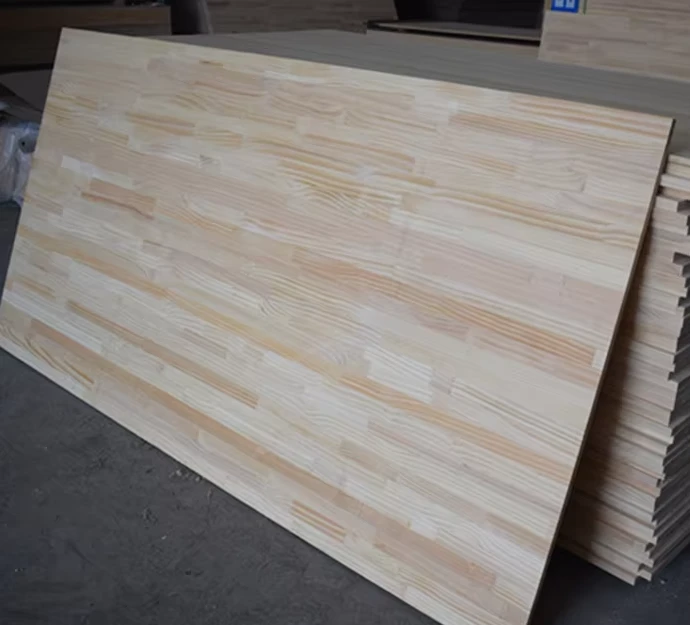
The Wood Trim Panel Pine/Paulownia Wood Frame Wall Panel is designed for wall decoration. Although pine and paulownia are softwoods, the panel is treated and finished to improve its abrasion resistance. It can withstand the occasional bump or scrape from moving furniture or people brushing against it.
When it comes to choosing a solid wood board based on abrasion resistance, it's important to consider your specific needs. If you're using the board for a floor in a busy hallway, you'll want a highly abrasion - resistant hardwood with a durable finish. For a decorative wall panel in a less - trafficked area, a softer wood with a good finish might be sufficient.
In addition to the type of wood and finish, proper maintenance also plays a huge role in maintaining the abrasion resistance of solid wood boards. Regular cleaning with a soft cloth and a mild cleaner can prevent dirt and debris from scratching the surface. Avoid using harsh chemicals or abrasive cleaners, as these can damage the finish and the wood itself.
If you notice any scratches or dents on the wood, it's important to address them promptly. Minor scratches can often be repaired with a touch - up pen or a wood filler. For more significant damage, you may need to sand and refinish the affected area.
So, there you have it! That's a rundown on what the abrasion resistance of solid wood boards is all about. As a solid wood board supplier, I'm here to help you choose the right board for your project. Whether you're a DIY enthusiast working on a small home project or a professional contractor building a large - scale commercial space, we have the solid wood boards you need.
If you're interested in learning more about our products or have any questions about abrasion resistance or other properties of solid wood boards, don't hesitate to reach out. We're always happy to have a chat and help you make the best choice for your needs. Let's start a conversation about your project and find the perfect solid wood board together!
References
- "Wood Handbook: Wood as an Engineering Material." Forest Products Laboratory.
- "Understanding Wood Finishes." Fine Woodworking Magazine.