

What is the acoustic property of pine veneer?
Oct 30, 2026
Leave a message
Hey there! As a pine veneer supplier, I've been getting a lot of questions lately about the acoustic properties of pine veneer. So, I thought I'd take a moment to share some insights with you.
First off, let's talk about what pine veneer is. Pine veneer is a thin layer of pine wood that's peeled or sliced from a log. It's commonly used in furniture making, cabinetry, and interior design because of its natural beauty and affordability. But did you know that pine veneer also has some interesting acoustic properties?
One of the key acoustic properties of pine veneer is its ability to absorb sound. When sound waves hit a surface, they can either be reflected, absorbed, or transmitted. Pine veneer has a relatively high absorption coefficient, which means it can absorb a significant amount of sound energy. This makes it a great choice for applications where sound control is important, such as recording studios, home theaters, and offices.
Another important acoustic property of pine veneer is its resonance. Resonance is the tendency of an object to vibrate at a specific frequency when it's excited by an external force. Pine veneer has a unique resonance frequency that can enhance the sound quality of musical instruments, such as guitars and violins. In fact, many high-end musical instrument makers use pine veneer in their instruments because of its excellent acoustic properties.
In addition to its absorption and resonance properties, pine veneer also has a relatively low density. This means that it's lightweight and easy to work with, which is another reason why it's so popular in the furniture and cabinetry industry. However, it's important to note that the density of pine veneer can vary depending on the species of pine and the way it's processed.
So, how does pine veneer compare to other types of wood when it comes to acoustic properties? Well, it depends on the specific application. For example, if you're looking for a wood that's highly absorbent, you might want to consider using a softwood like pine or cedar. On the other hand, if you're looking for a wood that has a high resonance frequency, you might want to consider using a hardwood like maple or oak.
At our company, we offer a wide range of pine veneer products that are designed to meet the needs of our customers. Whether you're looking for a high-quality veneer for your furniture or a sound-absorbing panel for your recording studio, we've got you covered. Our pine veneer products are made from the finest quality pine wood and are available in a variety of thicknesses and finishes.
If you're interested in learning more about our pine veneer products or have any questions about the acoustic properties of pine veneer, please don't hesitate to contact us. We'd be happy to help you find the right product for your needs.

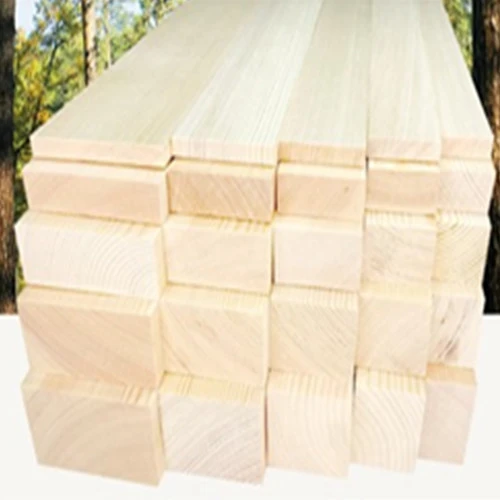
In addition to our pine veneer products, we also offer a variety of other wood products, including Finer Joint Pine Wood Board, Solid Cedar Wood Board, and Pine For Construction Pine Board Pine Strips. These products are also made from high-quality wood and are available in a variety of sizes and finishes.
If you're in the market for high-quality wood products, we encourage you to check out our website and see what we have to offer. We're confident that you'll find the right product for your needs at a price that you can afford.
So, there you have it! That's a brief overview of the acoustic properties of pine veneer. I hope this information has been helpful to you. If you have any other questions or comments, please feel free to leave them below. I'd love to hear from you!
References
- "Acoustic Properties of Wood." Wood Handbook: Wood as an Engineering Material. U.S. Department of Agriculture, Forest Service, Forest Products Laboratory. 2010.
- "Pine Wood: Properties, Uses, and Advantages." The Spruce. Accessed August 20, 2023.
- "Veneer: Types, Uses, and Advantages." Home Stratosphere. Accessed August 20, 2023.