

What is the best way to secure a coffin board during transport?
Nov 07, 2025
Leave a message
As a coffin board supplier, ensuring the safe and secure transport of our products is of utmost importance. A well - secured coffin board not only protects the integrity of the product but also guarantees its arrival in pristine condition at the destination. In this blog, I will share some of the best ways to secure a coffin board during transport, based on my years of experience in the industry.
Understanding the Nature of Coffin Boards
Before delving into the securing methods, it's essential to understand the characteristics of coffin boards. Coffin boards are typically made from various types of wood, such as Solid Paulownia Board. Paulownia wood is lightweight yet strong, which makes it a popular choice for coffin boards. However, it can still be susceptible to damage during transport, such as scratches, dents, or warping.
Pre - Transport Preparation
The first step in securing a coffin board for transport is proper pre - transport preparation. This includes cleaning the board to remove any debris or dust that could cause scratches during transit. It's also important to inspect the board for any existing damage and repair it if necessary.

Next, we need to choose the right packaging materials. A high - quality wooden crate or a heavy - duty cardboard box can provide a basic level of protection. The interior of the packaging should be lined with soft materials like foam or bubble wrap to cushion the board and prevent it from moving around.
Using Support Structures
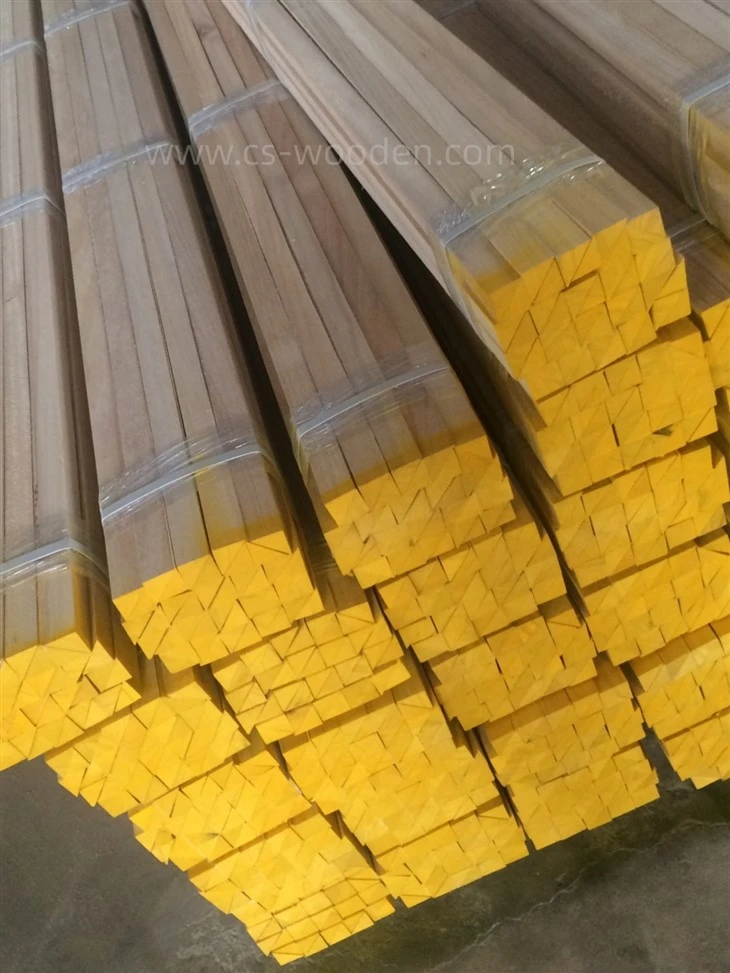
One of the most effective ways to secure a coffin board is by using support structures. Paulownia Triangle Shape Wood Strips can be extremely useful in this regard. These strips can be placed along the edges and corners of the coffin board to provide additional support and prevent it from being crushed or bent.
The triangle shape of the wood strips distributes the weight evenly, reducing the stress on the board. They can be nailed or glued to the board, depending on the specific requirements of the transport. For long - distance transport, it's advisable to use a combination of nails and glue to ensure maximum stability.
Strapping and Binding
Strapping and binding are also crucial for securing coffin boards during transport. High - strength plastic or metal straps can be used to hold the board firmly in place within the packaging. The straps should be tightened properly to prevent any movement, but not so tight that they cause damage to the board.
In addition to external strapping, internal binding can also be used. For example, we can use ropes or cords to tie the board to the support structures inside the packaging. This provides an extra layer of security and helps to keep the board in position, especially during rough handling or sudden movements.
Stacking and Loading
When it comes to transporting multiple coffin boards, proper stacking and loading techniques are essential. Coffin boards should be stacked in a way that distributes the weight evenly and minimizes the risk of damage. They should be placed flat and parallel to each other, with sufficient padding between each layer.
During loading, it's important to handle the boards carefully. Forklifts or other loading equipment should be used with caution to avoid dropping or hitting the boards. The boards should be loaded in a stable manner, and any gaps in the load should be filled with additional padding to prevent shifting.
Climate Control
Climate conditions can have a significant impact on the integrity of coffin boards during transport. Extreme temperatures and humidity can cause the wood to expand or contract, leading to warping or cracking. Therefore, it's important to consider climate control during transport.
If possible, the transport vehicle should be equipped with a climate - control system to maintain a stable temperature and humidity level. For short - distance transport, using insulated packaging can also help to protect the board from sudden temperature changes.
Monitoring and Tracking
Once the coffin board is on its way, monitoring and tracking its progress is essential. This can be done using GPS tracking devices, which allow us to keep an eye on the location and movement of the board at all times. In case of any unexpected delays or issues, we can take immediate action to ensure the safety of the product.
Case Studies
To illustrate the effectiveness of these securing methods, let's look at a few case studies. In one instance, we transported a large order of coffin boards to a distant location. By using Paulownia Triangle Shape Wood Strips for support, high - strength strapping, and climate - controlled transport, we were able to deliver the boards in perfect condition. The customer was extremely satisfied with the quality of the products and the way they were transported.
In another case, we had to transport coffin boards through a region with rough terrain. By carefully stacking the boards, using internal binding, and monitoring the transport closely, we managed to prevent any damage despite the challenging conditions.
Conclusion
In conclusion, securing a coffin board during transport requires a combination of proper pre - transport preparation, the use of support structures, strapping and binding, proper stacking and loading, climate control, and monitoring. By following these best practices, we can ensure that our coffin boards arrive at their destination in excellent condition, every time.
If you are in the market for high - quality coffin boards and need reliable transport solutions, we are here to help. We have extensive experience in supplying and transporting coffin boards, and we are committed to providing the best products and services to our customers. Please feel free to contact us for more information and to discuss your specific requirements. We look forward to working with you and helping you with your coffin board needs.
References
- Wood Packaging Handbook: Best Practices for Transport and Storage.
- Paulownia Wood Properties and Applications Research.
- Transportation Safety Guidelines for Wooden Products.