

What is the color of natural pine wood board?
Jan 06, 2026
Leave a message
Natural pine wood boards are a popular choice in the construction and wood - working industries due to their versatility, affordability, and attractive appearance. As a supplier of pine wood boards, I often encounter the question: "What is the color of natural pine wood board?" In this blog, I'll delve into this topic and offer some insights based on my experience in the industry.
The Natural Color Spectrum of Pine Wood
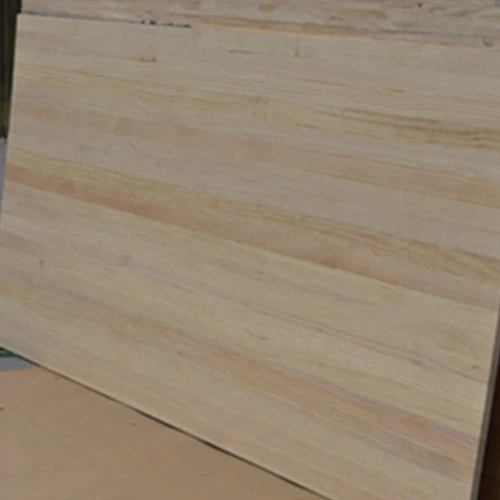
Pine wood comes from various species, and each one has a slightly different color profile. Generally, natural pine wood tends to have hues that range from a very light, almost creamy white to a warm, golden - yellow. The lighter shades are often found in younger pine trees, while the more mature ones can yield wood with a deeper, richer color.
For instance, Eastern White Pine (Pinus strobus) is known for its pale, creamy color. It has a soft, almost ethereal appearance that makes it a favorite for interior applications such as paneling, cabinetry, and trim work. The light color allows it to blend well with a variety of color schemes and design styles.
On the other hand, Southern Yellow Pine (Pinus taeda) has a more distinct golden - yellow color. It is a bit darker and has more prominent grain patterns. The heartwood of Southern Yellow Pine can have a deeper, reddish - brown tint, which adds character and warmth to the wood. This type of pine is commonly used in construction, especially for framing and structural elements.

Factors Affecting the Color of Pine Wood
Several factors can influence the color of natural pine wood boards. One of the most significant factors is the tree's growth environment. Pine trees that grow in areas with abundant sunlight and nutrients tend to produce wood with a more vibrant color. In contrast, trees that grow in shaded or nutrient - poor areas may have lighter - colored wood.
The age of the tree also plays a role. As mentioned earlier, younger pine trees usually have lighter - colored wood, while older trees produce wood with a deeper color. This is because as the tree ages, the heartwood, which is the inner part of the trunk, accumulates more extractives and tannins. These substances can darken the wood and give it a more complex color.
Another factor is the presence of fungi or mold on the wood. In some cases, certain types of fungi can cause discoloration on pine wood. For example, blue - stain fungi can give the wood a bluish - gray tint. While this may seem like a defect to some, blue - stained pine has gained popularity in recent years for its unique and rustic appearance.
Processing and Treatment Effects on Color
The way pine wood boards are processed and treated can also have a significant impact on their color. When pine wood is kiln - dried, for example, the heat can cause the wood to darken slightly. This is a natural side - effect of the drying process and can give the wood a more uniform and richer color.
Chemical treatments can also alter the color of pine wood. For example, pressure - treating pine wood with preservatives can change its hue. Some preservatives may cause the wood to turn a greenish or brownish color, depending on the type of chemicals used.
If you're interested in a more unique look, you might consider Carbonized Pine Board. Carbonization is a process where the wood is heated to a high temperature in a low - oxygen environment. This process not only makes the wood more resistant to decay and insects but also changes its color to a deep, rich brown. The carbonized pine board has a luxurious and aged appearance that can add a touch of elegance to any project.
Pine Wood Boards for Different Purposes
For construction purposes, Pine For Construction Pine Board Pine Strips are a reliable choice. They usually come in the natural color of the pine species they are made from. The color may not be as critical for structural uses, but it can still affect the overall aesthetic, especially if the wood will be left exposed.
If you're looking for a board for furniture or joinery work, the color becomes more of a consideration. Pine Edge Glued Panel is an excellent option. It offers a smooth and uniform surface, and the color of the pine can enhance the beauty of the finished piece. The light color of the pine can make a small room appear larger, while the warmer tones can create a cozy and inviting atmosphere.
Visualizing the Color in Different Settings
When considering the color of pine wood for a project, it's essential to visualize how it will look in the final setting. In a modern, minimalist interior, a light - colored pine board can create a clean and fresh look. The smooth surface and bright color can complement white walls and contemporary furniture.
In a rustic or traditional setting, a darker - colored pine with prominent grain patterns can add warmth and character. It pairs well with natural materials like stone and brick, as well as with earth - toned textiles.
How to Maintain the Color of Pine Wood Boards
To maintain the color of your pine wood boards, it's important to protect them from direct sunlight and excessive moisture. Direct sunlight can cause the wood to fade over time, especially the lighter - colored varieties. You can use curtains or blinds to shield the wood from the sun's rays.
Excessive moisture can lead to mold growth and discoloration. Make sure the wood is properly dried before installation and keep the humidity levels in the room stable. Applying a protective finish, such as a clear sealant or varnish, can also help preserve the color and protect the wood from damage.
Connect for Procurement
If you're in the market for high - quality pine wood boards and are interested in discussing the color options that best suit your project, I encourage you to reach out to me. Whether you're a contractor, a woodworker, or a DIY enthusiast, I'm here to provide you with the best products and professional advice. Contact me to start a conversation about your pine wood board needs.
References
- "Timber: Its Sources, Structure, Properties, Conversion, and Use" by R. Bruce Hoadley
- "Practical Woodworking Handbook" by Albert Jackson and David Day
- "Wood Handbook: Wood as an Engineering Material" by the Forest Products Laboratory