

What is the durability of solid wood boards?
Jul 31, 2025
Leave a message
Solid wood boards have long been a staple in construction, furniture making, and various DIY projects due to their natural beauty, versatility, and perceived durability. As a solid wood board supplier, I've had the privilege of working closely with these remarkable materials and witnessing their performance in a wide range of applications. In this blog post, I'll delve into the concept of the durability of solid wood boards, exploring the factors that influence it and how you can make informed decisions when choosing the right wood for your project.
Understanding Durability in Solid Wood Boards
Durability in solid wood boards refers to their ability to withstand various stresses and environmental conditions over time without significant degradation. This includes resistance to factors such as decay, insect infestation, moisture, wear, and mechanical damage. A durable solid wood board will maintain its structural integrity, appearance, and functionality for an extended period, making it a cost - effective and reliable choice for long - term use.
Factors Affecting the Durability of Solid Wood Boards
1. Wood Species
Different wood species have varying levels of natural durability. Some species are inherently more resistant to decay and pests than others. For example, teak is well - known for its high natural durability. It contains natural oils that make it resistant to water, rot, and insect attacks, making it a popular choice for outdoor furniture and boat building.
On the other hand, softwoods like pine are generally less durable compared to some hardwoods. However, pine can still be a good option for indoor projects where it is protected from harsh environmental conditions. If you're looking for a pine product, our Pine Solid Wooden Baby Playpen Wood Square is a great example of how pine can be used effectively in a safe and long - lasting application.
Acacia is another species that offers good durability. Our Acacia Patio Design Wood Board is a great choice for patio projects. Acacia has a relatively high density and natural resistance to decay, which makes it suitable for outdoor use, even in areas with high humidity.
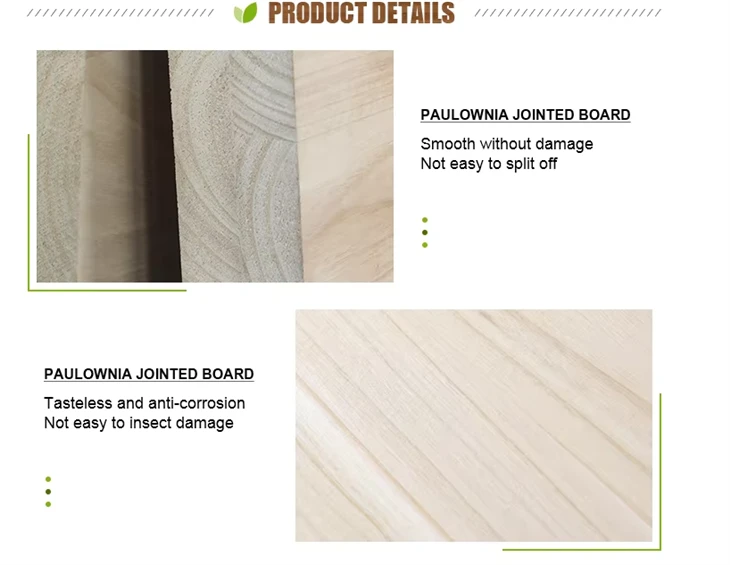
Paulownia is a fast - growing wood species. Our Paulownia Bead Board is lightweight yet surprisingly durable. It has good dimensional stability and is resistant to warping, making it a good option for interior wall paneling and some light - duty furniture applications.
2. Moisture Content
Moisture is one of the biggest enemies of solid wood boards. When wood absorbs moisture, it can swell, warp, and become more susceptible to decay. The ideal moisture content for most indoor wood applications is between 6% and 8%, while for outdoor applications, it should be around 12% - 18%.
Proper drying and storage of solid wood boards are crucial to maintaining the right moisture content. At our supply facility, we use advanced drying techniques to ensure that our wood boards reach the appropriate moisture levels before they are sold. This helps to prevent issues such as cracking and splitting during use.
3. Treatment and Finishing
Applying treatments and finishes can significantly enhance the durability of solid wood boards. For outdoor use, wood can be treated with preservatives to protect it from decay and insect infestation. These preservatives can penetrate the wood fibers and create a barrier against harmful organisms.
Finishes such as paints, stains, and varnishes also play an important role. They not only add aesthetic appeal but also protect the wood from moisture, UV rays, and wear. A high - quality finish can seal the wood surface, preventing moisture from entering and reducing the risk of damage.
4. Environmental Conditions
The environment in which the solid wood board is used has a major impact on its durability. Outdoor applications are more challenging as the wood is exposed to sunlight, rain, wind, and temperature fluctuations. These factors can cause the wood to expand and contract, leading to cracking and warping over time.
Indoor environments are generally more stable, but factors such as humidity levels and foot traffic can still affect the durability of the wood. For example, in a high - traffic area like a hallway, the wood floor may be more prone to scratches and wear.
Assessing the Durability of Solid Wood Boards
When assessing the durability of solid wood boards, it's important to consider the specific requirements of your project. Here are some steps you can take:
1. Research the Wood Species
Understand the natural properties of the wood species you're considering. Look for information on its resistance to decay, insects, and moisture. You can consult wood industry resources, books, or even ask for advice from a professional in the field.
2. Check the Moisture Content
Before purchasing the wood, you can use a moisture meter to check its moisture content. This will give you an idea of whether the wood is suitable for your intended application.
3. Examine the Finish
If the wood has a finish, check its quality. Look for a smooth, even application and make sure it adheres well to the wood surface. A good finish should provide a protective barrier.
4. Consider the Source
Buy from a reputable supplier like us. We have strict quality control measures in place to ensure that our solid wood boards meet high standards of durability. We source our wood from sustainable forests and ensure that it is properly processed and treated.

Extending the Durability of Solid Wood Boards
Once you've chosen the right solid wood board for your project, there are several steps you can take to extend its durability:
1. Proper Installation
Follow the correct installation procedures. This includes using the right fasteners, allowing for proper expansion and contraction, and ensuring that the wood is properly supported.
2. Regular Maintenance
For outdoor wood, clean it regularly to remove dirt, debris, and mold. Reapply finishes as needed to maintain the protective barrier. For indoor wood, clean spills promptly and use furniture pads to prevent scratches.
3. Protection from the Elements
In outdoor applications, consider using covers or shelters to protect the wood from direct sunlight, heavy rain, and snow. This can significantly reduce the wear and tear on the wood.
Conclusion
The durability of solid wood boards is influenced by a variety of factors, including wood species, moisture content, treatment, and environmental conditions. As a solid wood board supplier, we are committed to providing high - quality products that offer excellent durability for a wide range of applications.
Whether you're working on a small DIY project or a large - scale construction job, choosing the right solid wood board is crucial. By understanding the factors that affect durability and taking the necessary steps to assess and maintain the wood, you can ensure that your project will stand the test of time.
If you're interested in purchasing our solid wood boards, we invite you to contact us for a detailed discussion about your project requirements. We have a wide range of wood species and products available, and our experts are ready to assist you in making the best choice.
References
- "Wood Handbook: Wood as an Engineering Material", Forest Products Laboratory, United States Department of Agriculture
- "The Wood Database: Lumber Identification (and more)", The Wood Database website
- "Understanding Wood: A Craftsman's Guide to Wood Technology", R. Bruce Hoadley