

What is the hardness of LVB Poplar Slats?
Nov 05, 2025
Leave a message
Hey there! As a supplier of LVB Poplar Slats, I often get asked about the hardness of these slats. So, I thought I'd write this blog to share some insights on this topic.
First off, let's talk a bit about what LVB Poplar Slats are. LVB stands for Laminated Veneer Board, and poplar is the type of wood used. Poplar is a widely used wood in the furniture industry because it's relatively inexpensive, easy to work with, and has a nice, even grain. LVB Poplar Slats are made by gluing together thin layers of poplar veneer, which gives them added strength and stability.
Now, onto the hardness. Hardness in wood is typically measured using the Janka hardness test. This test measures the amount of force required to embed an 11.28-mm (0.444 in) steel ball into the wood to half its diameter. The higher the Janka rating, the harder the wood.
Poplar wood, in general, has a Janka hardness rating of around 540 lbf (2,400 N). This places it in the medium - hardness range compared to other woods. For example, oak has a Janka hardness rating of around 1,290 lbf (5,740 N), which is significantly harder than poplar. On the other hand, pine has a Janka hardness rating of around 380 lbf (1,690 N), making it softer than poplar.
The hardness of LVB Poplar Slats is influenced by several factors. One of the main factors is the quality of the poplar wood used. Higher - quality poplar with fewer knots and a more consistent grain structure will generally result in harder slats. The gluing process also plays a crucial role. A well - glued LVB Poplar Slat will have better overall strength and hardness because the layers are firmly bonded together.
Another factor is the thickness of the veneer layers. Thicker veneer layers can contribute to a harder slat, as there is more wood material to resist compression and wear. However, it's important to find the right balance, as overly thick veneers can also make the slats more prone to cracking or warping.
The hardness of LVB Poplar Slats makes them suitable for a variety of applications. For instance, they are commonly used in Poplar Bed Slats. The medium hardness is sufficient to support the weight of a mattress and a person sleeping on it without easily deforming. They are also used in Poplar Drawer Board. The slats can withstand the regular opening and closing of drawers and the weight of the items stored inside.

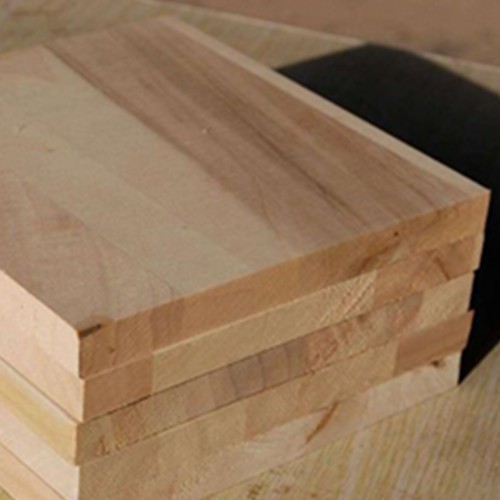
In addition, LVB Poplar Slats can be used in the construction of Poplar Edge Glued Board. The edge - glued boards made from these slats can be used for furniture frames, cabinetry, and other woodworking projects. The hardness of the slats ensures that the boards are sturdy and can hold up well over time.
However, it's important to note that while LVB Poplar Slats have a decent level of hardness, they are not as hard as some hardwoods. So, they may not be the best choice for applications where extreme durability and resistance to heavy wear are required. For example, they might not be ideal for high - traffic flooring or industrial - grade equipment.
When it comes to maintaining the hardness and integrity of LVB Poplar Slats, proper care is essential. Avoid exposing them to excessive moisture, as this can cause the wood to swell, warp, and lose its hardness. Regular cleaning with a mild wood cleaner can help keep the slats in good condition.
If you're in the market for LVB Poplar Slats, it's important to source them from a reliable supplier. As a supplier myself, I ensure that all our LVB Poplar Slats are made from high - quality poplar wood and undergo strict quality control measures. We test the hardness of our slats regularly to make sure they meet the required standards.
Whether you're a furniture manufacturer, a woodworker, or someone looking to do a DIY project, LVB Poplar Slats can be a great option. Their medium hardness, combined with their affordability and ease of use, makes them a popular choice in the industry.
If you're interested in purchasing LVB Poplar Slats for your project, I'd love to have a chat with you. We can discuss your specific requirements, such as the size, thickness, and quantity of the slats you need. Feel free to reach out to start a conversation about your procurement needs.
References
- Wood Handbook: Wood as an Engineering Material, Forest Products Laboratory
- Janka Hardness Rating System, various wood industry sources