

What is the heat resistance of acacia wood board?
Jun 10, 2025
Leave a message
As a supplier of acacia wood boards, one question I'm frequently asked is about the heat resistance of these boards. Heat resistance is a crucial factor, especially when considering the various applications of acacia wood boards, from furniture making to interior design. In this blog post, I'll delve into the science behind the heat resistance of acacia wood boards, explore its implications for different uses, and share some practical tips for ensuring their longevity under heat exposure.
Understanding Acacia Wood
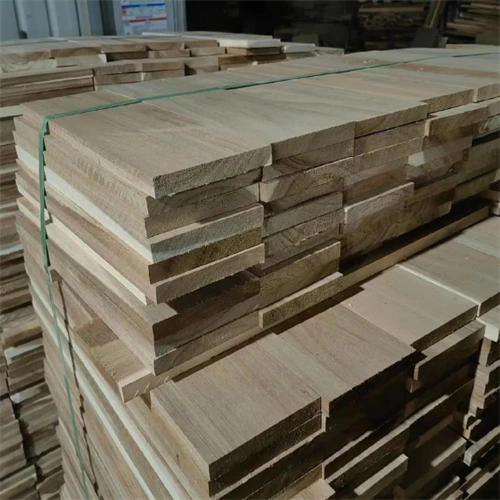
Acacia wood is derived from trees of the Acacia genus, which comprises over a thousand species worldwide. Known for its durability, strength, and beautiful grain patterns, acacia wood has become a popular choice for a wide range of woodworking projects. The density and composition of acacia wood contribute significantly to its heat resistance properties.
Acacia wood typically has a relatively high density, which means it has more mass per unit volume compared to less dense woods. This density provides a natural barrier against heat transfer. When exposed to heat, the tightly packed wood fibers in acacia boards slow down the rate at which heat penetrates the material. As a result, acacia wood boards can withstand higher temperatures for longer periods without significant damage.
Heat Resistance Mechanisms
The heat resistance of acacia wood boards can be attributed to several key factors:
Chemical Composition
Acacia wood contains natural compounds such as lignin, which is a complex polymer that provides structural support to the wood. Lignin has a high melting point and acts as a binder between the cellulose fibers in the wood. When exposed to heat, lignin helps to maintain the integrity of the wood structure by preventing the cellulose fibers from breaking down too quickly. This chemical stability allows acacia wood boards to resist charring and deformation at elevated temperatures.

Moisture Content
The moisture content of wood plays a crucial role in its heat resistance. Acacia wood boards are typically kiln - dried to reduce their moisture content to an optimal level, usually around 8 - 12%. A lower moisture content means that there is less water in the wood to turn into steam when heated. Steam expansion can cause the wood to crack or warp, but by reducing the moisture content, acacia wood boards are better able to withstand heat without significant structural damage.
Density and Porosity
As mentioned earlier, the high density of acacia wood contributes to its heat resistance. Additionally, the relatively low porosity of acacia wood means that there are fewer voids and channels for heat to travel through. This slows down the transfer of heat through the wood, allowing the surface of the board to absorb and dissipate heat more evenly. As a result, acacia wood boards are less likely to develop hot spots that could lead to localized damage.
Heat Resistance Testing
To determine the heat resistance of acacia wood boards, various testing methods can be employed. One common method is the ASTM E1354 cone calorimeter test, which measures the heat release rate, mass loss rate, and other fire - related properties of the wood. Another test is the UL 94 flammability test, which classifies materials based on their ability to self - extinguish after being ignited.
In general, acacia wood boards have been found to have a relatively good heat resistance compared to many other types of wood. They typically have a lower heat release rate and are less likely to spread flames quickly. However, it's important to note that no wood is completely fireproof, and acacia wood boards will eventually burn if exposed to high enough temperatures for an extended period.
Applications and Considerations
The heat resistance of acacia wood boards makes them suitable for a variety of applications, but it's important to consider the specific heat exposure conditions in each case.
Furniture Making
Acacia Furniture Board is a popular choice for making tables, chairs, and cabinets. In indoor settings, normal room temperatures and occasional exposure to sunlight or warm objects pose little risk to the acacia wood. However, if the furniture is placed near a heat source such as a fireplace or radiator, it's advisable to keep a safe distance to prevent overheating.
Interior Design
Acacia wood boards are also used for wall paneling, flooring, and decorative elements in interior design. When used in these applications, the heat resistance of the wood helps to ensure its long - term durability. For example, in kitchens where there is exposure to heat from stoves and ovens, acacia wood flooring can withstand moderate heat without warping or discoloring. However, it's still important to clean up spills promptly and avoid placing hot pots and pans directly on the wood surface.
Outdoor Use
Acacia Wood Boards can be used for outdoor furniture, decking, and pergolas. In outdoor environments, they are exposed to sunlight, which can raise the surface temperature of the wood. While acacia wood has good heat resistance, prolonged exposure to direct sunlight can cause the wood to dry out and become more brittle over time. Applying a protective finish, such as a sealant or paint, can help to reduce the impact of sunlight and heat on the wood.
Tips for Maintaining Heat Resistance
To ensure the long - term heat resistance and durability of acacia wood boards, here are some practical tips:
- Proper Installation: When installing acacia wood boards, make sure to follow the manufacturer's instructions carefully. This includes leaving appropriate expansion gaps to allow for changes in temperature and moisture.
- Regular Maintenance: Clean the acacia wood boards regularly to remove dirt, dust, and debris. Apply a protective finish every few years to maintain the wood's moisture content and protect it from heat and UV damage.
- Avoid Direct Heat Contact: As much as possible, avoid placing hot objects directly on the acacia wood surface. Use trivets, coasters, or heat - resistant pads to protect the wood from scratches and heat damage.
Conclusion
In conclusion, acacia wood boards have a commendable heat resistance due to their high density, chemical composition, and low moisture content. This makes them a versatile choice for a wide range of applications, from indoor furniture to outdoor decking. However, it's important to understand the limitations of their heat resistance and take appropriate precautions to ensure their long - term durability.
If you're in the market for high - quality Acacia Solid Wood Board, look no further. Our company is a leading supplier of acacia wood boards, offering a wide range of products to meet your needs. Whether you're a furniture maker, interior designer, or DIY enthusiast, we have the right acacia wood boards for your project. Contact us today to discuss your requirements and start a procurement negotiation. We're committed to providing you with the best products and services at competitive prices.
References
- "Wood Handbook: Wood as an Engineering Material." Forest Products Laboratory, United States Department of Agriculture.
- ASTM International standards for wood testing.
- Research papers on the properties of acacia wood and its heat resistance.