

What is the strength - to - weight ratio of pine wood board?
Oct 14, 2025
Leave a message
As a seasoned pine wood board supplier, I've witnessed firsthand the growing demand for high - quality pine products in various industries. One of the most frequently asked questions by our customers is about the strength - to - weight ratio of pine wood boards. In this blog, I'll delve deep into this topic, providing you with a comprehensive understanding of what this ratio means, why it matters, and how pine wood boards stack up against other materials.
Understanding the Strength - to - Weight Ratio
The strength - to - weight ratio is a crucial metric in materials science. It measures how much load a material can bear relative to its own weight. A high strength - to - weight ratio indicates that a material is both strong and lightweight, making it ideal for applications where weight is a concern, such as in construction, furniture making, and transportation.
To calculate the strength - to - weight ratio, we typically divide the material's strength (usually measured in terms of its tensile strength, compressive strength, or flexural strength) by its density. For example, if a pine wood board has a flexural strength of 10,000 pounds per square inch (psi) and a density of 30 pounds per cubic foot (pcf), its strength - to - weight ratio would be 10,000 psi / 30 pcf.
Why the Strength - to - Weight Ratio Matters
The strength - to - weight ratio is not just a theoretical concept; it has real - world implications for the performance and cost - effectiveness of pine wood boards.
In construction, a high strength - to - weight ratio means that less material is needed to achieve the same level of structural integrity. This can lead to significant cost savings in terms of material procurement, transportation, and labor. For example, when building a large - scale structure like a warehouse, using pine wood boards with a high strength - to - weight ratio can reduce the overall weight of the building, which in turn reduces the load on the foundation and can potentially lower the cost of the foundation construction.
In furniture making, a high strength - to - weight ratio allows for the creation of lightweight yet durable pieces. This is especially important for items like chairs and tables that need to be easily movable. Consumers are often drawn to furniture that is both strong and lightweight, as it offers convenience without sacrificing quality.
The Strength - to - Weight Ratio of Pine Wood Boards
Pine wood is known for its relatively high strength - to - weight ratio. There are several factors that contribute to this characteristic.
Firstly, pine wood has a cellular structure that is well - organized. The long, thin cells in pine wood are aligned in a way that provides good resistance to bending and compression. This natural structure gives pine wood a certain level of inherent strength.
Secondly, pine wood is relatively lightweight compared to some other hardwoods. The density of pine wood typically ranges from 25 to 35 pounds per cubic foot, depending on the species and the growing conditions. This combination of strength and lightness makes pine wood an attractive option for many applications.
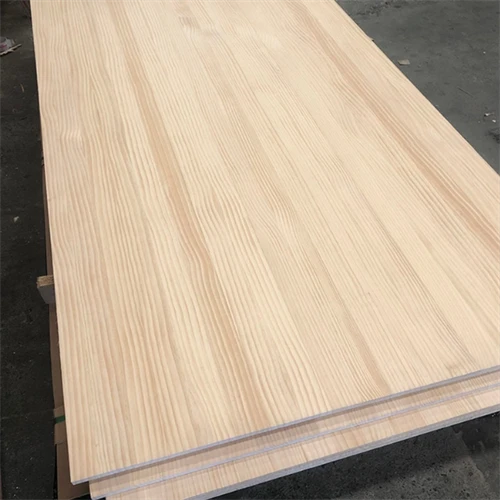
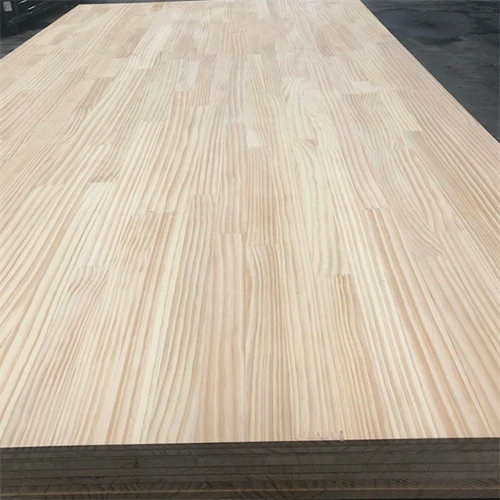
However, it's important to note that the strength - to - weight ratio of pine wood boards can vary depending on the specific type of pine and the manufacturing process. For example, Finger Jointed Pine Boards are made by joining small pieces of pine wood together using a finger - jointed technique. This can enhance the overall strength of the board while maintaining its relatively low weight. Similarly, Pine Edge Glued Board and Pine Edge Glued Panel are manufactured by gluing the edges of pine wood pieces together, which can also improve the strength - to - weight ratio.
Comparing Pine Wood Boards with Other Materials
When comparing pine wood boards with other materials, it's clear that pine holds its own in terms of the strength - to - weight ratio.
Compared to steel, pine wood is much lighter. While steel has a very high strength, its density is significantly higher than that of pine wood. This means that for applications where weight is a critical factor, pine wood can be a more practical choice. For example, in the construction of small - scale structures like garden sheds or playhouses, using pine wood boards can make the construction process easier and more cost - effective.
Compared to some other softwoods, pine wood generally has a better strength - to - weight ratio. For instance, spruce, another common softwood, may have a lower strength - to - weight ratio than pine in some cases. This makes pine wood a preferred option for applications that require a balance of strength and lightness.
Applications of Pine Wood Boards Based on Their Strength - to - Weight Ratio
The high strength - to - weight ratio of pine wood boards makes them suitable for a wide range of applications.
In the construction industry, pine wood boards are commonly used for framing, sheathing, and flooring. Their strength allows them to support the weight of the structure, while their lightness makes them easy to handle and install. For example, in residential construction, pine wood framing can provide a strong and stable structure for the house, and pine wood flooring can add a warm and natural look to the interior.
In the furniture industry, pine wood boards are used to make everything from beds and dressers to cabinets and chairs. The high strength - to - weight ratio ensures that the furniture is both sturdy and easy to move around. Additionally, pine wood's natural beauty and affordability make it a popular choice among furniture manufacturers and consumers alike.
In the packaging industry, pine wood boards are used to make crates and pallets. Their strength can protect the goods during transportation, and their lightness can reduce the overall weight of the package, which in turn can lower transportation costs.
Maintaining and Enhancing the Strength - to - Weight Ratio
To ensure that pine wood boards maintain their high strength - to - weight ratio, proper storage and handling are essential. Pine wood should be stored in a dry and well - ventilated area to prevent moisture absorption, which can weaken the wood over time.
In addition, there are some treatments that can enhance the strength - to - weight ratio of pine wood boards. For example, pressure - treating pine wood with preservatives can increase its resistance to decay and insects, which can help maintain its strength. Some chemical treatments can also improve the wood's mechanical properties, further enhancing its strength - to - weight ratio.
Conclusion
In conclusion, the strength - to - weight ratio of pine wood boards is a key factor that makes them a valuable material in many industries. Their combination of strength and lightness offers numerous benefits in terms of cost - effectiveness, performance, and ease of use. Whether you're a builder, a furniture maker, or a packaging manufacturer, pine wood boards can be a great choice for your projects.
If you're interested in learning more about our pine wood boards or would like to discuss a potential procurement, I encourage you to reach out. We're committed to providing high - quality pine wood products that meet your specific needs. Contact us, and let's start a conversation about how our pine wood boards can enhance your next project.
References
- "Wood Handbook: Wood as an Engineering Material," Forest Products Laboratory, United States Department of Agriculture
- "The Properties of Wood: A Comprehensive Guide," John R. Bowyer, James W. Shmulsky, and Roger M. Haygreen