

Applications and Advantages of Solid Paulownia Wood Chamfer Strips in Interior Decoration
Jan 22, 2026
Leave a message
In modern interior decoration and wood processing industries, solid wood chamfer strips (moulding strips) are often regarded as auxiliary components. However, they play a critical role in edge finishing, structural transitions, and overall visual quality. In recent years, solid Paulownia wood chamfer strips have gained increasing attention due to their unique material properties and practical performance.
1. What Are Solid Wood Chamfer Strips?
Solid wood chamfer strips are commonly used for:
Edge transitions between walls, floors, and ceilings
Finishing and protecting edges of wall panels, wood cladding, and furniture
Reducing sharp corners and improving durability and safety
Their value lies not in being visually dominant, but in enhancing detail integrity and long-term performance.
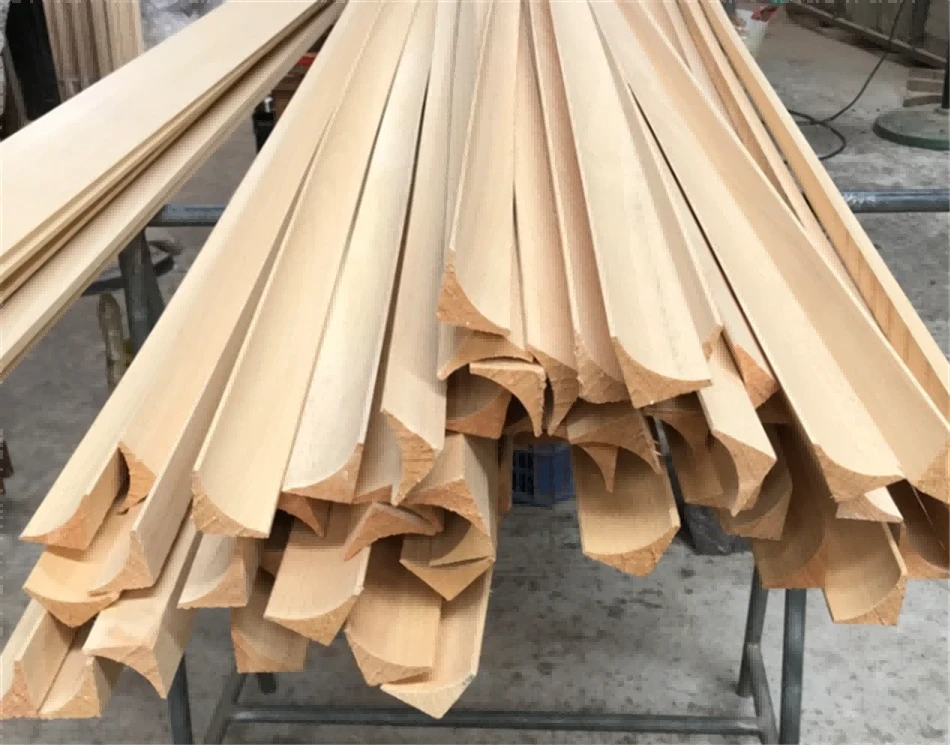
2. Advantages of Paulownia Wood for Chamfer Strip Applications
Compared with commonly used materials such as pine or poplar, Paulownia wood offers several distinct advantages when used for chamfer strips:
2.1 Lightweight with Structural Stability
Paulownia wood has a low density and light weight, making it especially suitable for long and narrow profiles. This reduces handling and installation effort and lowers overall structural load.
2.2 Excellent Machinability and Profile Precision
With its uniform texture and straight grain, Paulownia wood performs well during moulding, chamfering, and grooving processes:
Clean edges with minimal chipping
Clear and consistent profiles
Smooth surface finish
This makes it ideal for applications requiring high dimensional accuracy and consistent profiles.
2.3 Good Dimensional Stability after Proper Drying
When properly kiln-dried and moisture-controlled, Paulownia wood exhibits reliable dimensional stability, minimizing risks of warping or deformation in indoor environments.
2.4 Strong Compatibility with Surface Finishing
Paulownia wood is well suited for various surface treatments, including:
Painting and spraying
Clear coating and sealing primers
Veneering or surface lamination
This flexibility allows easy color matching and post-processing for different project requirements.
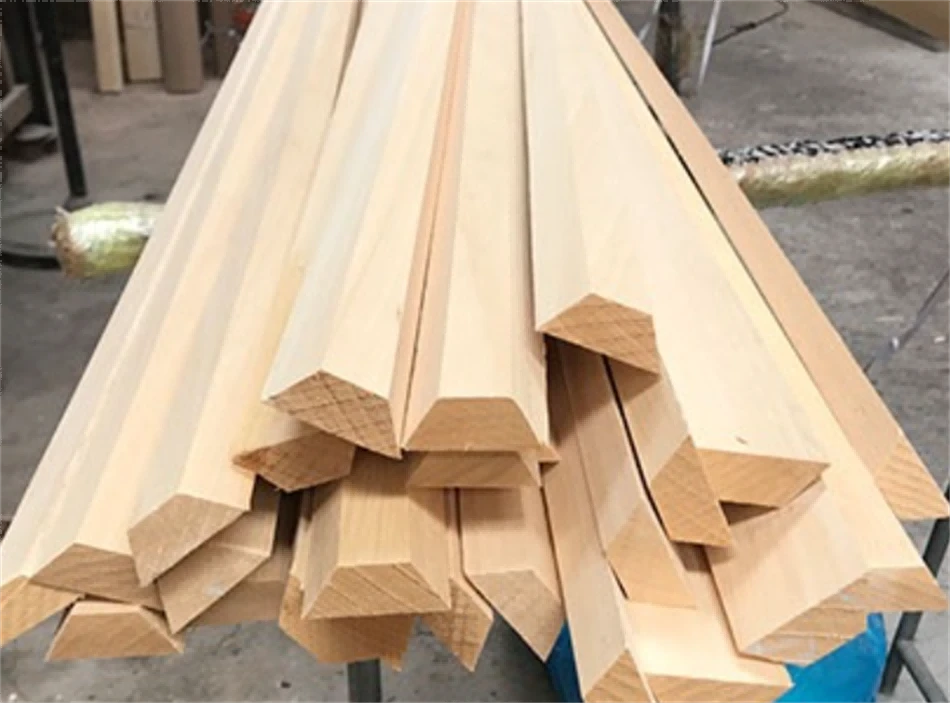
3. Typical Application Scenarios
3.1 Edge Finishing for Solid Wood Wall Panels and Cladding
Chamfer strips are widely used to finish:
Panel edges
Internal and external corners
Transitions between different materials
Paulownia chamfer strips help achieve a clean appearance while reducing overall weight.
3.2 Transitions between Solid Wood Flooring and Walls
In flooring installations, chamfer strips can be used independently or in combination with skirting boards, especially suitable for modern and minimalist interior styles.
3.3 Furniture and Custom Wood Product Detailing
In furniture, cabinets, display units, and wooden boxes, chamfer strips are applied to:
Protect exposed edges
Improve tactile comfort
Enhance visual layering
Paulownia wood's machinability makes it particularly suitable for customized profiles and dimensions.
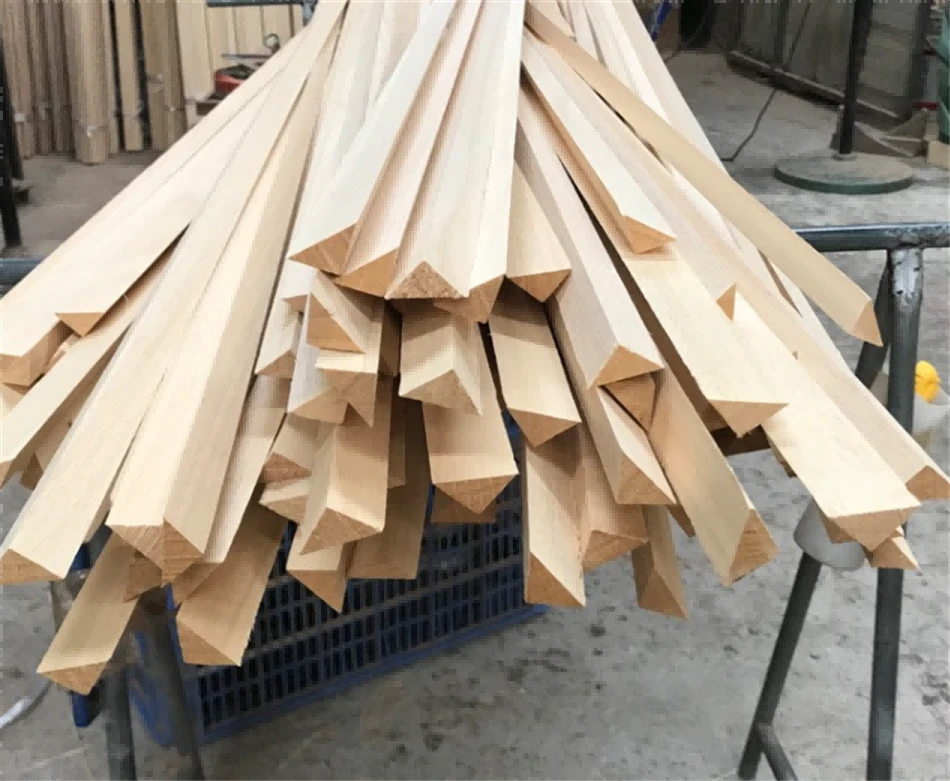
4. Key Considerations for Industry Applications
When selecting solid Paulownia wood chamfer strips, professionals typically focus on:
Moisture content suitable for the target market
Solid wood structure vs. finger-jointed construction
Profile tolerance and batch consistency
Availability of custom sizes, lengths, and surface finishes
These factors directly affect installation efficiency and final product quality.
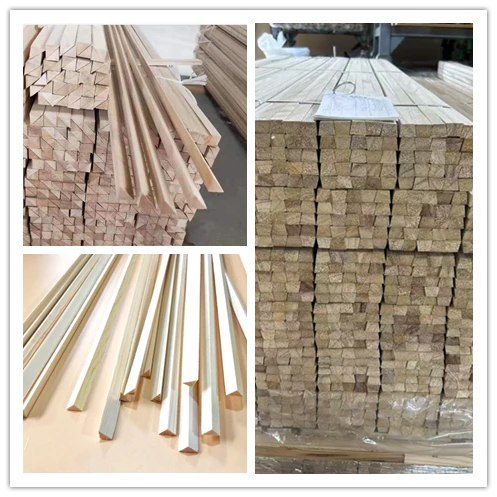
5. Conclusion
Although solid Paulownia wood chamfer strips are not primary decorative elements, they play an essential role in connecting, finishing, and protecting interior wood systems. With advantages such as light weight, ease of processing, and good dimensional stability, Paulownia wood has become a practical and reliable option for chamfer strip applications.
In projects where detail, efficiency, and consistency matter, selecting the right material can significantly improve overall results.
