

Are poplar wood handles prone to insect damage?
Aug 19, 2025
Leave a message
As a supplier of Poplar Wood Handles, I often get asked whether poplar wood handles are prone to insect damage. This is a crucial question for both manufacturers and end - users, as insect damage can significantly affect the quality and longevity of the product. In this blog, I'll delve into the details of poplar wood's susceptibility to insects, exploring various factors that influence this and offering some preventive measures.
Characteristics of Poplar Wood
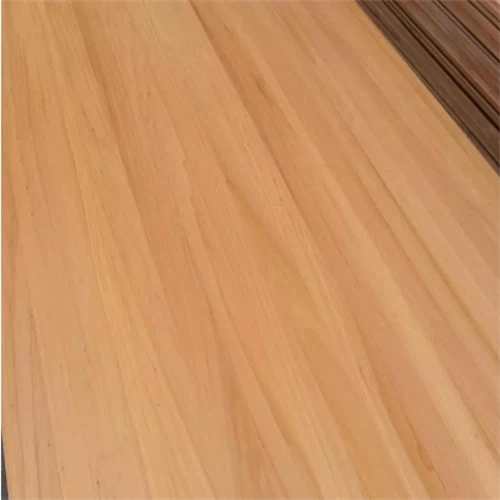
Poplar wood is a popular choice for handles due to its several favorable characteristics. It is relatively lightweight, which makes it easy to work with during the manufacturing process and also convenient for end - users. The wood has a straight grain, which gives it an aesthetically pleasing appearance. Moreover, poplar is cost - effective compared to some other hardwoods, making it an attractive option for mass - produced handles.
Poplar is a softwood, but it has a decent strength - to - weight ratio. It can be easily machined, sanded, and finished, allowing for a smooth and polished surface on the handles. The wood also takes stains and paints well, enabling manufacturers to customize the appearance according to their needs. You can learn more about the different types of poplar wood products on our website, such as Poplar Solid Wood, Carbonized Poplar Board, and Poplar Drawer Board.
Insects that Target Poplar Wood
There are several types of insects that may pose a threat to poplar wood. One of the most common is the powderpost beetle. These small insects lay their eggs in the pores of the wood. Once the larvae hatch, they burrow into the wood, feeding on the cellulose. As they grow, they create a network of tunnels, which weakens the wood structure. The most obvious sign of powderpost beetle infestation is the presence of fine, powdery dust around the holes in the wood.
Another insect that can damage poplar wood is the carpenter ant. Although they don't actually eat the wood, they excavate it to build their nests. Carpenter ants prefer moist wood, so if poplar wood handles are exposed to high humidity or water, they become more vulnerable to these pests. The damage caused by carpenter ants can be extensive, as they can hollow out large sections of the wood over time.
Termites are also a concern, especially in areas where they are prevalent. Subterranean termites, in particular, can attack poplar wood if it comes into contact with the soil or if there is a moisture source nearby. Termites feed on the cellulose in the wood, and their colonies can cause significant structural damage if left untreated.
Factors Affecting Insect Damage
Several factors influence whether poplar wood handles are likely to be damaged by insects.
Moisture Content: Wood with a high moisture content is more attractive to insects. Insects need a certain level of moisture to survive and reproduce. If poplar wood handles are stored in a damp environment or are exposed to water during use, the moisture content can increase, making them more susceptible to infestation. For example, if a poplar wood handle is used in a kitchen or bathroom where there is a lot of humidity, it is at a higher risk.
Storage Conditions: Improper storage can also lead to insect problems. If poplar wood handles are stored in a dirty or cluttered area, it can attract insects. Additionally, if the wood is stored in direct contact with the ground or in a place where there are already insect - infested materials, the risk of infestation increases.
Treatment and Finishing: The way the poplar wood is treated and finished can have a significant impact on its resistance to insects. Wood that has been properly treated with insecticides or preservatives is less likely to be attacked. A good finish, such as a varnish or paint, can also act as a barrier, preventing insects from accessing the wood.
Preventive Measures
To minimize the risk of insect damage to poplar wood handles, several preventive measures can be taken.
Proper Drying: Before using the poplar wood for handles, it should be properly dried to a low moisture content. This can be achieved through air - drying or kiln - drying. Kiln - drying is often more effective as it can reduce the moisture content more quickly and evenly.
Insecticide Treatment: Applying an insecticide to the poplar wood can provide protection against insects. There are various types of insecticides available, including those that can be sprayed on the surface or those that can be absorbed into the wood. It is important to follow the manufacturer's instructions when using insecticides.
Finishing: A high - quality finish can help protect the poplar wood from insects. A clear varnish or paint can create a barrier on the surface of the wood, preventing insects from laying their eggs or burrowing into it.

Regular Inspection: Regularly inspecting the poplar wood handles for signs of insect damage is essential. Early detection can allow for prompt treatment, which can prevent the problem from getting worse.
Our Commitment as a Supplier
As a supplier of Poplar Wood Handles, we are committed to providing high - quality products. We take several steps to ensure that our handles are resistant to insect damage. Our poplar wood is sourced from reliable suppliers and is carefully selected for its quality. We use advanced drying and treatment techniques to reduce the moisture content and protect the wood from insects.
We also offer a range of finishes for our poplar wood handles, allowing our customers to choose the option that best suits their needs. Our team of experts is always available to provide advice on the care and maintenance of the poplar wood handles to prevent insect damage.
Conclusion
In conclusion, while poplar wood handles can be prone to insect damage, proper handling, treatment, and maintenance can significantly reduce this risk. By understanding the factors that influence insect infestation and taking appropriate preventive measures, both manufacturers and end - users can ensure that their poplar wood handles remain in good condition for a long time.
If you are interested in purchasing high - quality Poplar Wood Handles or have any questions about preventing insect damage, we encourage you to contact us for a procurement discussion. We look forward to working with you to meet your needs.
References
- "Wood - Destroying Insects: Biology and Control" by University of Kentucky Entomology.
- "Handbook of Wood Chemistry and Wood Biotechnology" edited by Rajai D. Al - Assaf and Thomas L. Eberhardt.
- "Wood Preservation: Principles and Practice" by R. D. Hale and T. E. Highley.