

Can pine veneer be used for musical instruments?
Aug 04, 2025
Leave a message
Can pine veneer be used for musical instruments? This is a question that I, as a pine veneer supplier, often encounter from musicians, instrument makers, and enthusiasts alike. In this blog post, I'll delve into the characteristics of pine veneer, its suitability for musical instruments, and share some insights based on my experience in the industry.
Understanding Pine Veneer
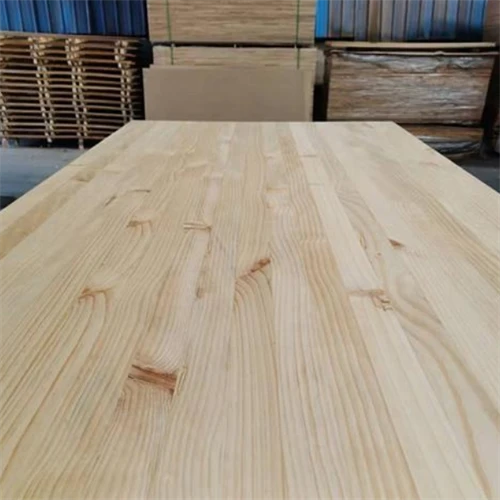
Pine veneer is a thin layer of pine wood that is sliced or peeled from a log. It is commonly used in furniture making, interior decoration, and other woodworking projects due to its affordability, availability, and aesthetic appeal. There are several species of pine that are used for veneer production, each with its own unique properties.
One of the most popular types of pine for veneer is the Mongolian Scotch Pine. This species is known for its straight grain, uniform texture, and light color, which makes it a versatile choice for a variety of applications. Another commonly used pine species is the Radiata Pine, which is fast-growing and has a relatively consistent grain pattern. You can find more information about Radiata Pine Board on our website.
Characteristics of Pine Veneer for Musical Instruments
When considering pine veneer for musical instruments, several key characteristics come into play:
Sound Quality
The sound quality of a musical instrument is influenced by the type of wood used in its construction. Pine has a relatively low density compared to some other woods commonly used in instrument making, such as spruce or mahogany. This lower density can result in a brighter, more resonant sound. Pine also has good acoustic properties, with a high stiffness-to-weight ratio, which allows it to vibrate freely and produce a rich, full tone.
Strength and Durability
While pine is not as dense as some other woods, it still has sufficient strength and durability for use in musical instruments. Pine veneer can be used for the body, back, and sides of guitars, violins, and other stringed instruments, as well as for the soundboards of pianos and other keyboard instruments. When properly constructed and finished, pine veneer can withstand the stresses and strains of regular use.
Aesthetic Appeal
In addition to its acoustic properties, pine veneer also has a unique aesthetic appeal. The natural grain patterns and colors of pine can add a warm, rustic look to a musical instrument, making it visually appealing as well as sonically pleasing. Pine veneer can be stained or finished in a variety of ways to achieve different looks, from a natural, unfinished appearance to a high-gloss, polished finish.
Applications of Pine Veneer in Musical Instruments
Pine veneer can be used in a variety of musical instruments, including:
Guitars
Pine veneer can be used for the body, back, and sides of acoustic and electric guitars. The bright, resonant sound of pine can give guitars a unique tone that is different from other woods. Pine veneer can also be used for the fretboard of a guitar, providing a smooth, comfortable playing surface.
Violins and Other Stringed Instruments
Pine veneer can be used for the body, back, and sides of violins, violas, cellos, and other stringed instruments. The acoustic properties of pine can help to produce a rich, full tone, while the aesthetic appeal of the wood can add to the instrument's beauty.
Pianos and Other Keyboard Instruments
Pine veneer can be used for the soundboard, case, and other components of pianos and other keyboard instruments. The stiffness-to-weight ratio of pine makes it an ideal choice for the soundboard, which is responsible for producing the sound of the instrument. Pine veneer can also be used to add a decorative touch to the exterior of the instrument.
Advantages of Using Pine Veneer in Musical Instruments
There are several advantages to using pine veneer in musical instruments:
Affordability
Pine is a relatively inexpensive wood compared to some other woods commonly used in instrument making, such as spruce or mahogany. This makes pine veneer a cost-effective option for instrument makers and musicians who are looking for a high-quality, affordable alternative.
Availability
Pine is a widely available wood, which means that it is easy to source and obtain in large quantities. This makes it a practical choice for instrument makers who need to produce a large number of instruments.
Sustainability
Pine is a renewable resource, which means that it can be harvested in a sustainable manner. By using pine veneer in musical instruments, instrument makers and musicians can help to support sustainable forestry practices and reduce their environmental impact.
Considerations When Using Pine Veneer in Musical Instruments
While pine veneer has many advantages for use in musical instruments, there are also some considerations to keep in mind:
Moisture Resistance
Pine is a porous wood, which means that it can absorb moisture from the air. This can cause the wood to expand and contract, which can affect the sound and performance of the instrument. To prevent this, it is important to properly seal and finish the pine veneer to protect it from moisture.
Grain Orientation
The grain orientation of the pine veneer can affect the sound and performance of the instrument. It is important to choose a veneer with a straight, consistent grain pattern that is oriented in the same direction as the strings of the instrument. This will help to ensure that the wood vibrates evenly and produces a consistent tone.
Quality Control
When using pine veneer in musical instruments, it is important to ensure that the veneer is of high quality. This means choosing a veneer that is free from defects, such as knots, cracks, or warping. It is also important to work with a reputable supplier who can provide you with high-quality veneer that meets your specific requirements.
Conclusion
In conclusion, pine veneer can be a viable option for use in musical instruments. Its unique combination of acoustic properties, strength, durability, and aesthetic appeal make it a popular choice among instrument makers and musicians. However, it is important to carefully consider the characteristics of the pine veneer and the specific requirements of the instrument before using it. By working with a reputable supplier and following best practices for installation and finishing, you can ensure that your musical instrument sounds and looks its best.
If you are interested in using pine veneer in your musical instruments, I encourage you to contact us to discuss your specific needs. We are a leading supplier of Pine Edge Glued Panel and other pine veneer products, and we would be happy to help you find the right veneer for your project. Whether you are a professional instrument maker or a hobbyist musician, we can provide you with the high-quality veneer and expert advice you need to create a musical instrument that is both beautiful and functional.

References
- "The Acoustics of Wood in Musical Instruments" by Rossing, Thomas D.
- "Wood Handbook: Wood as an Engineering Material" by Forest Products Laboratory.
- "Musical Instrument Design and Construction" by Kolstein, Richard.