

Is paulownia wood board a sustainable choice?
Aug 04, 2025
Leave a message
As a supplier of paulownia wood boards, I often get asked whether paulownia wood is a sustainable choice. In this blog post, I'll explore the various aspects of paulownia wood boards to help you understand their sustainability and why they could be an excellent option for your projects.
The Growth Characteristics of Paulownia Trees
Paulownia is a fast - growing tree species. It can reach maturity in as little as 5 - 7 years, which is significantly faster compared to many other hardwoods that may take decades to grow. For example, oak trees can take 30 - 40 years or more to reach a harvestable size. This rapid growth rate means that paulownia forests can be replenished quickly. When a paulownia tree is harvested, new saplings can be planted, and in a relatively short time, they will be ready for the next harvest. This cycle is much more efficient in terms of resource renewal, making it a sustainable option from a forestry perspective.
The fast - growing nature also allows for more efficient land use. A smaller area of land can produce a large amount of paulownia wood in a short period. This is beneficial as it reduces the pressure on large - scale deforestation. With the increasing demand for wood products globally, the ability to meet this demand without over - exploiting natural forests is crucial. Paulownia plantations can be managed in a way that they coexist with other land uses, such as agriculture or wildlife habitats.
Environmental Impact of Paulownia Wood Board Production
In terms of the production process, paulownia wood boards have several environmental advantages. Paulownia wood is relatively lightweight, which means less energy is required for transportation compared to heavier woods. This reduction in transportation energy consumption leads to lower greenhouse gas emissions. When you order Paulownia Wood Planks, the environmental footprint associated with getting them to your location is minimized.
The processing of paulownia wood into boards also generally requires less energy. The wood is easy to cut, shape, and machine, which reduces the energy input during manufacturing. Additionally, paulownia wood has good natural resistance to pests and diseases, reducing the need for chemical treatments. This is not only better for the environment but also for the health of those who work with the wood and the end - users of the products.
Quality and Versatility of Paulownia Wood Boards
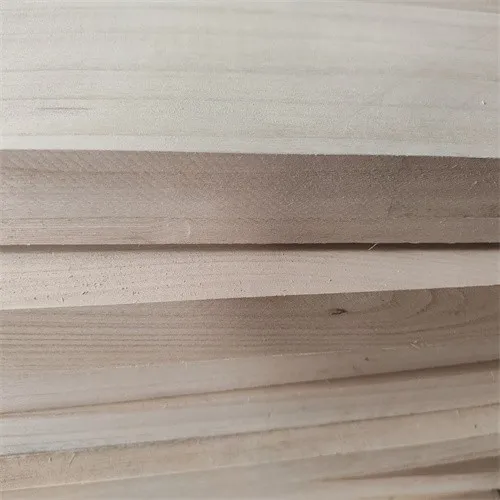
Paulownia wood boards are not only sustainable but also offer high - quality and versatility. The wood has a beautiful, straight grain, which gives it an aesthetically pleasing appearance. It can be used in a wide range of applications, from furniture making to interior decoration. For example, Solid Poplar Paulownia Wood Finger Jointed Boards are perfect for creating durable and stylish furniture pieces. They can be stained, painted, or finished in various ways to match different design styles.
In the construction industry, paulownia wood boards are also gaining popularity. They can be used for wall paneling, flooring, and even in some structural applications. Their lightweight nature makes them easier to handle during construction, reducing labor costs and potential risks associated with heavy materials.
Social and Economic Sustainability
Paulownia wood board production can have positive social and economic impacts. The establishment of paulownia plantations can create jobs in rural areas. From tree planting and maintenance to wood processing and board manufacturing, there are various stages in the supply chain that require a workforce. This can help boost local economies and improve the livelihoods of people in these areas.
Moreover, as a sustainable product, paulownia wood boards can meet the growing market demand for eco - friendly materials. Customers are becoming more conscious of the environmental impact of the products they purchase. By offering paulownia wood boards, we are not only providing a high - quality product but also meeting the needs of environmentally - conscious consumers. This can open up new markets and business opportunities for both suppliers and manufacturers.
Comparison with Other Wood Options
When compared to other common wood types, paulownia wood boards stand out in terms of sustainability. For instance, tropical hardwoods are often sourced from old - growth forests, which are under threat of deforestation. The long - term environmental impact of harvesting these woods can be severe, including loss of biodiversity and carbon sequestration. In contrast, paulownia is a renewable resource that can be managed sustainably.
Softwoods like pine are also widely used, but they may require more chemical treatments to protect against pests and decay. Paulownia wood's natural resistance reduces this need, making it a more environmentally friendly alternative.

Challenges and Considerations
While paulownia wood boards have many sustainability advantages, there are also some challenges to consider. One of the main challenges is the need for proper plantation management. If not managed correctly, paulownia plantations can have negative impacts on soil quality and water resources. For example, over - intensive planting can lead to soil erosion and nutrient depletion. However, with proper planning and management practices, these issues can be mitigated.
Another consideration is the market perception. Some consumers may be less familiar with paulownia wood compared to more traditional wood types. As a supplier, it is our responsibility to educate the market about the benefits of paulownia wood boards, including their sustainability and quality.
Conclusion
In conclusion, paulownia wood boards are a sustainable choice. Their fast - growing nature, low environmental impact during production, high quality, and positive social and economic impacts make them an attractive option for a wide range of applications. Whether you are a furniture maker, a builder, or an interior designer, Paulownia Triangle Strip and other paulownia wood products can meet your needs while being kind to the environment.
If you are interested in learning more about our paulownia wood boards or would like to discuss a potential purchase, please reach out. We are more than happy to provide you with detailed information and samples. Let's work together to make sustainable choices in the world of wood products.
References
- Smith, J. (2020). Sustainable Forestry Practices. Forestry Journal, 45(2), 123 - 135.
- Johnson, A. (2019). The Environmental Impact of Wood Processing. Environmental Science Review, 32(3), 210 - 221.
- Brown, C. (2021). Social and Economic Impacts of Wood Production in Rural Areas. Rural Development Studies, 18(4), 89 - 102.