

Does acacia wood board have a strong smell?
Sep 30, 2025
Leave a message
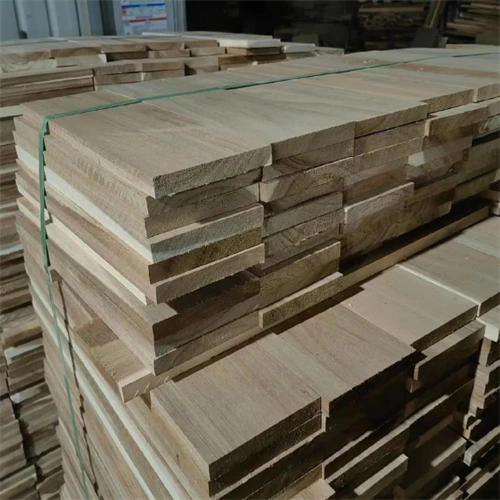
Acacia wood boards have gained significant popularity in the wood industry due to their durability, attractive grain patterns, and versatility. As a supplier of acacia wood boards, one question that frequently arises from our customers is whether these boards have a strong smell. In this blog post, we will delve into this topic, exploring the factors that influence the smell of acacia wood boards, the typical characteristics of their odor, and how to manage it if necessary.
Understanding Acacia Wood
Acacia is a genus of trees and shrubs that belong to the Fabaceae family. There are over a thousand species of acacia, and they are found in various parts of the world, including Africa, Australia, and the Americas. Acacia wood is known for its density, hardness, and resistance to decay, making it a popular choice for a wide range of applications, such as furniture, flooring, and outdoor decking.
Factors Affecting the Smell of Acacia Wood Boards
The smell of acacia wood boards can be influenced by several factors, including:
Species of Acacia
Different species of acacia may have distinct odors. Some species may have a mild, pleasant scent, while others may have a stronger or more pungent smell. For example, Australian blackwood (Acacia melanoxylon) is known for its sweet, spicy aroma, while some African acacia species may have a more earthy or resinous smell.
Harvesting and Processing
The way acacia wood is harvested and processed can also affect its smell. Wood that is freshly cut may have a stronger odor than wood that has been seasoned or dried. Additionally, the use of certain chemicals or treatments during processing, such as preservatives or stains, can alter the natural smell of the wood.
Storage Conditions
The storage conditions of acacia wood boards can also impact their smell. Wood that is stored in a damp or humid environment may develop a musty or moldy smell, while wood that is stored in a well-ventilated area may retain its natural scent.
Typical Characteristics of the Smell of Acacia Wood Boards
In general, acacia wood boards have a relatively mild and pleasant smell. The odor is often described as earthy, woody, or slightly sweet, with hints of spice or resin. However, the intensity and character of the smell can vary depending on the factors mentioned above.
Freshly cut acacia wood may have a stronger smell, which can gradually fade over time as the wood dries and seasons. Once the wood is fully seasoned, the smell is usually more subtle and less noticeable. Some people may even find the smell of acacia wood to be appealing, as it can add a natural and rustic touch to a space.
Managing the Smell of Acacia Wood Boards
If you find the smell of acacia wood boards to be too strong or unpleasant, there are several steps you can take to manage it:
Ventilation
One of the simplest ways to reduce the smell of acacia wood boards is to ensure proper ventilation. Open windows and doors to allow fresh air to circulate, and use fans or air purifiers to help remove any odors from the room.
Seasoning
Allowing the acacia wood boards to season for a longer period of time can also help to reduce their smell. Seasoning involves drying the wood slowly in a controlled environment to remove moisture and allow the natural oils and resins to stabilize. This can take several weeks or even months, depending on the thickness and moisture content of the wood.
Cleaning and Treatment
Cleaning the acacia wood boards with a mild soap and water solution can help to remove any surface dirt or debris that may be contributing to the smell. You can also apply a natural wood oil or wax to the boards to help seal the pores and reduce the release of odors.
Use of Odor Absorbers
Placing odor absorbers, such as activated charcoal or baking soda, near the acacia wood boards can help to absorb any unwanted smells. These products can be placed in bowls or containers and left in the room for several days or weeks to help neutralize the odor.
Applications of Acacia Wood Boards
Acacia wood boards are a versatile and popular choice for a wide range of applications, including:
Furniture
Acacia wood is commonly used to make furniture, such as tables, chairs, cabinets, and beds. Its durability and attractive grain patterns make it a great choice for both indoor and outdoor furniture. You can find a variety of acacia wood furniture options at Acacia Solid Wood Board.
Flooring
Acacia wood flooring is another popular application, as it can add a warm and natural look to a space. It is known for its durability and resistance to wear and tear, making it suitable for high-traffic areas.
Outdoor Decking
Due to its resistance to decay and weathering, acacia wood is often used for outdoor decking. It can withstand the elements and provide a beautiful and long-lasting surface for outdoor living spaces. You can explore different acacia wood decking options at Acacia Wood Logs.
Crafts and Decor
Acacia wood is also used in various crafts and decorative items, such as cutting boards, picture frames, and puzzles. The natural beauty of the wood makes it a popular choice for adding a touch of elegance to any project. Check out some unique Acacia Wood Puzzle options.
Conclusion
In conclusion, acacia wood boards generally have a mild and pleasant smell, although the intensity and character of the odor can vary depending on several factors. While freshly cut wood may have a stronger smell, this usually fades over time as the wood dries and seasons. If you find the smell to be too strong or unpleasant, there are several steps you can take to manage it, such as ventilation, seasoning, cleaning, and the use of odor absorbers.
As a supplier of acacia wood boards, we are committed to providing high-quality products that meet the needs and expectations of our customers. If you are interested in purchasing acacia wood boards for your next project, we invite you to contact us for more information and to discuss your specific requirements. We look forward to working with you to find the perfect acacia wood solution for your needs.

References
- "Acacia Wood: Properties, Uses, and Care." Woodworking Network.
- "The Smell of Wood: A Guide to Understanding and Managing Wood Odors." Wood Magazine.
- "How to Season Wood: A Step-by-Step Guide." This Old House.