

What colors can I stain acacia wood boards?
Sep 30, 2026
Leave a message
When it comes to enhancing the natural beauty of acacia wood boards, staining is a popular and effective technique. As a supplier of high - quality acacia wood boards, I've encountered numerous customers who are curious about the colors they can use to stain these boards. In this blog, I'll explore the various staining options available for acacia wood and provide some insights to help you make the best choice for your project.
Understanding Acacia Wood
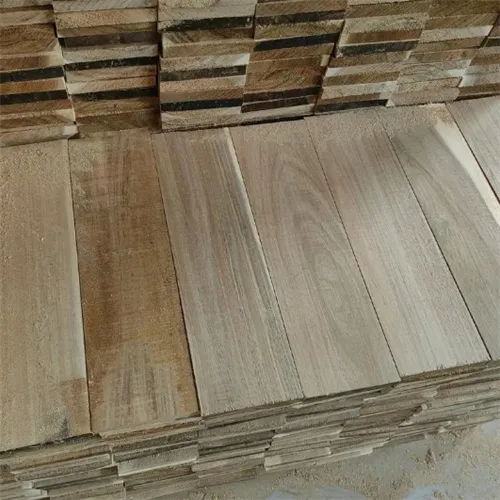
Acacia wood is known for its durability, strength, and unique grain patterns. It has a warm, rich undertone that makes it a versatile material for a wide range of applications, from furniture making to flooring and decorative items. However, the natural color of acacia wood can vary depending on the species and the growing conditions. Some acacia woods have a light golden hue, while others can be darker, with reddish or brownish tones.
Popular Stain Colors for Acacia Wood Boards
1. Natural and Light Tones
- Golden Blonde: A golden blonde stain can enhance the natural beauty of acacia wood, bringing out its warm undertones and highlighting the grain patterns. This color is perfect for creating a bright and airy look, making it ideal for modern and contemporary interiors. It gives the wood a fresh and clean appearance, similar to the look of natural acacia wood but with a more uniform color.
- Light Oak: Light oak stains mimic the color of oak wood, providing a classic and timeless look. This color is a popular choice for furniture and flooring, as it can easily blend in with different decor styles. The light oak stain on acacia wood boards can create a warm and inviting atmosphere in any room.
2. Medium Tones
- Chestnut: Chestnut stain offers a rich, medium - brown color that adds depth and character to acacia wood. It gives the wood a more traditional and rustic look, making it suitable for country - style or farmhouse interiors. The chestnut color can also hide minor imperfections in the wood, making it a practical choice for projects where the wood may have some natural flaws.
- Walnut: Walnut stain creates a deep, chocolate - brown color that is both elegant and sophisticated. It can transform acacia wood into a luxurious material, perfect for high - end furniture and decorative pieces. The walnut stain enhances the natural grain of the wood, creating a beautiful contrast between the light and dark areas of the grain.
3. Dark Tones
- Ebony: Ebony stain provides a deep, black color that gives acacia wood a dramatic and modern look. This color is often used for contemporary furniture and accents, as it can make a bold statement in any room. The ebony stain can also be used to create a sleek and sophisticated look for flooring or wall paneling.
- Mahogany: Mahogany stain offers a rich, reddish - brown color that is reminiscent of the classic mahogany wood. It adds a touch of warmth and elegance to acacia wood, making it a popular choice for traditional and formal interiors. The mahogany stain can enhance the natural beauty of the wood's grain, creating a luxurious and inviting atmosphere.
Factors to Consider When Choosing a Stain Color
- Project Type: The type of project you're working on will play a significant role in determining the stain color. For example, if you're making a piece of furniture that will be placed in a modern living room, a light or medium - tone stain may be more appropriate. On the other hand, if you're creating a rustic dining table for a country - style kitchen, a darker stain like chestnut or mahogany could be a better choice.
- Existing Decor: Consider the existing decor in the room where the acacia wood board will be used. You want the stained wood to complement the other colors and styles in the space. For instance, if the room has a lot of warm, earthy tones, a stain color like chestnut or walnut would work well. If the room is more contemporary with cool colors, a light or dark stain with a modern look might be more suitable.
- Grain Pattern: The natural grain pattern of the acacia wood can also influence the choice of stain color. Some stains may enhance the grain more than others. For example, a light - colored stain can make the grain more visible, while a dark stain can create a more uniform look. If you want to showcase the unique grain of the acacia wood, a lighter stain may be the best option.
Our Acacia Wood Board Products
We offer a wide range of acacia wood boards, including Acacia Wood Puzzle, Acacia Solid Wood Board, and Acacia Wood Planks. These products are made from high - quality acacia wood, ensuring durability and beauty. Whether you're a professional woodworker or a DIY enthusiast, our acacia wood boards are perfect for your next project.

Staining Process Tips
- Prepare the Wood: Before staining, make sure the acacia wood board is clean and smooth. Sand the surface to remove any rough spots or debris. You can start with a coarse - grit sandpaper and then finish with a finer - grit sandpaper for a smooth finish.
- Test the Stain: Always test the stain on a small, inconspicuous area of the wood before applying it to the entire board. This will allow you to see how the stain looks on the wood and make any necessary adjustments.
- Apply the Stain: Use a brush, cloth, or sprayer to apply the stain evenly to the wood surface. Follow the manufacturer's instructions for the best results. Make sure to apply the stain in the direction of the grain for a more professional look.
- Let it Dry: After applying the stain, let the wood dry completely. The drying time will depend on the type of stain and the environmental conditions. Once the stain is dry, you can apply a clear coat or finish to protect the wood and enhance its appearance.
Contact Us for Your Acacia Wood Board Needs
If you're interested in purchasing our acacia wood boards or have any questions about staining options, we'd love to hear from you. Our team of experts is ready to assist you in choosing the right stain color and providing you with the best quality acacia wood boards for your project. Don't hesitate to reach out and start a conversation about your procurement needs.
References
- "Wood Staining Basics" by Woodworkers Journal
- "The Complete Guide to Wood Finishing" by Bob Flexner