

How to handle acacia wood board to avoid splinters?
Sep 29, 2026
Leave a message
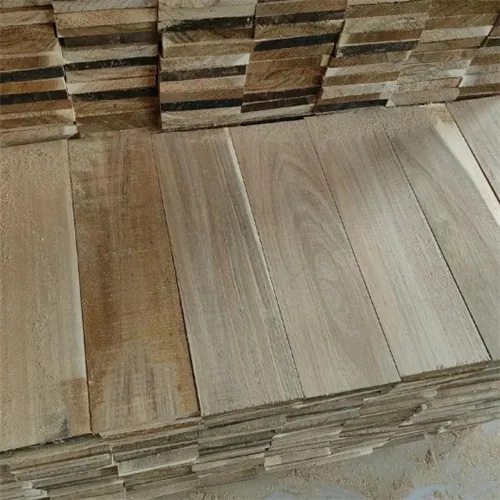
Acacia wood is a popular choice for various woodworking projects due to its durability, beautiful grain patterns, and natural resistance to decay. As a supplier of Acacia Wood Logs, Acacia Solid Wood Board, and Acacia Wood Planks, I understand the importance of handling acacia wood properly to avoid splinters. In this blog post, I'll share some tips and techniques to ensure a smooth and splinter-free experience when working with acacia wood.
Understanding Acacia Wood
Before delving into the handling techniques, it's essential to understand the characteristics of acacia wood. Acacia wood is known for its hardness and density, which makes it ideal for furniture, flooring, and outdoor applications. However, these same properties can also make it more prone to splintering if not handled correctly.
Acacia wood has a tight grain structure, which can sometimes cause the wood fibers to break unevenly, resulting in splinters. Additionally, the wood may contain knots or other natural irregularities that can increase the risk of splintering. By being aware of these factors, you can take the necessary precautions to minimize the chances of splinters.
Preparing the Wood
The first step in handling acacia wood to avoid splinters is to prepare the wood properly. This includes inspecting the wood for any visible defects or damage, such as cracks, knots, or rough edges. If you notice any issues, it's best to remove or repair them before proceeding with your project.
To remove splinters or rough edges, you can use a sharp utility knife or a sanding block. Start by gently scraping the surface of the wood to remove any loose fibers or debris. Then, use a fine-grit sandpaper to smooth the surface and remove any remaining rough spots. Be sure to sand in the direction of the grain to avoid creating more splinters.
Using the Right Tools
Using the right tools is crucial when working with acacia wood to avoid splinters. Make sure you have sharp and high-quality tools that are appropriate for the task at hand. Dull or improper tools can cause the wood to splinter or tear, increasing the risk of injury.
For cutting acacia wood, use a saw with a fine-tooth blade. A crosscut saw or a miter saw is ideal for making straight cuts, while a jigsaw or a band saw can be used for more intricate cuts. When using a saw, make sure to keep the blade sharp and lubricated to prevent the wood from binding or splintering.
For sanding acacia wood, use a sanding block or a power sander with a fine-grit sandpaper. Start with a coarse-grit sandpaper to remove any rough spots or imperfections, and then gradually work your way up to a finer-grit sandpaper for a smooth finish. Be sure to sand in the direction of the grain to avoid creating scratches or splinters.
Protecting Your Hands
When working with acacia wood, it's important to protect your hands from splinters. Wear a pair of thick, durable gloves to prevent splinters from penetrating your skin. Choose gloves that are made of a material that is resistant to punctures and tears, such as leather or Kevlar.
In addition to wearing gloves, you can also use a pair of pliers or tweezers to remove any splinters that may have become embedded in your skin. If you do get a splinter, try to remove it as soon as possible to prevent infection.
Finishing the Wood
Once you have completed your project, it's important to finish the acacia wood to protect it from moisture, stains, and scratches. A good finish will also help to prevent splintering by sealing the wood and making it more resistant to wear and tear.
There are several types of finishes that you can use on acacia wood, including oil, varnish, and paint. Each type of finish has its own advantages and disadvantages, so it's important to choose the one that is best suited for your project.

If you choose to use an oil finish, make sure to apply it evenly and allow it to dry completely before using the wood. Oil finishes are a popular choice for acacia wood because they enhance the natural beauty of the wood and provide a durable, water-resistant finish.
If you choose to use a varnish or paint finish, make sure to apply it in thin, even coats and allow each coat to dry completely before applying the next one. Varnish and paint finishes are a good choice for acacia wood because they provide a hard, protective finish that is resistant to scratches and stains.
Storing the Wood
Proper storage of acacia wood is also important to prevent splintering. When storing acacia wood, make sure to keep it in a dry, cool place away from direct sunlight and moisture. If the wood is exposed to moisture, it can warp or crack, which can increase the risk of splintering.
To prevent the wood from warping or cracking, you can stack the wood in a way that allows air to circulate around it. You can also use spacers or blocks to keep the wood off the ground and prevent it from coming into contact with moisture.
Conclusion
Handling acacia wood to avoid splinters requires a combination of proper preparation, the right tools, and careful attention to detail. By following the tips and techniques outlined in this blog post, you can ensure a smooth and splinter-free experience when working with acacia wood.
As a supplier of Acacia Wood Logs, Acacia Solid Wood Board, and Acacia Wood Planks, I'm committed to providing high-quality acacia wood products that are easy to work with and free from splinters. If you have any questions or need further information about our products, please don't hesitate to contact us. We'd be happy to help you with your woodworking project.
References
- "Acacia Wood: Properties, Uses, and Care." Woodworking Network, 2023.
- "How to Sand Wood Without Splintering." Family Handyman, 2023.
- "Tips for Working with Acacia Wood." This Old House, 2023.