

How to seal Poplar Solid Wood?
Jun 08, 2026
Leave a message
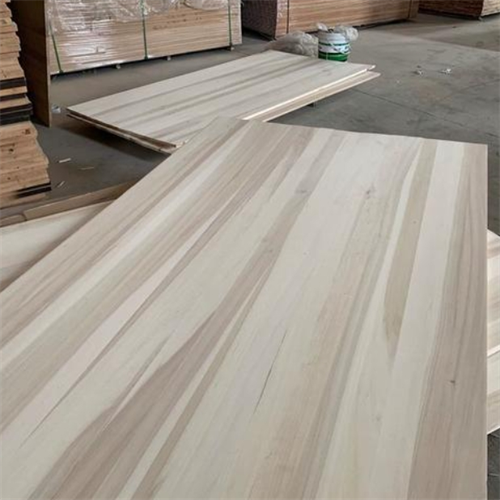
Hey there! I'm a supplier of Poplar Solid Wood, and today I'm gonna share with you how to seal poplar solid wood. Sealing poplar solid wood is crucial as it not only enhances its appearance but also protects it from various environmental factors.
First off, let's talk about why we need to seal poplar solid wood. Poplar wood is relatively soft and porous. Without proper sealing, it can easily absorb moisture, which may lead to warping, cracking, or the growth of mold and mildew. Also, unsealed poplar can be more prone to scratches and dents. By sealing it, we create a protective barrier that keeps the wood in good condition for a long time.
Preparation
Before you start sealing, you need to do some prep work. First, sand the poplar wood. This step is super important as it smooths the surface and allows the sealer to adhere better. Start with a coarse - grit sandpaper, like 80 - grit, to remove any rough spots or unevenness. Then, gradually move to finer grits, such as 120 - grit and 180 - grit, to get a really smooth finish. Wipe off all the dust with a clean, dry cloth or a tack cloth.
Next, if there are any knots or cracks in the wood, you might want to fill them. You can use wood filler that matches the color of the poplar. Apply the filler, let it dry according to the manufacturer's instructions, and then sand it down until it's flush with the wood surface.
Choosing the Right Sealer
There are several types of sealers available for poplar solid wood, and what you choose depends on your specific needs.
Polyurethane
Polyurethane is a popular choice. It creates a tough, durable finish that can withstand a lot of wear and tear. There are two main types: oil - based and water - based. Oil - based polyurethane gives a warm, amber - like tint to the wood, which can enhance its natural look. It also takes longer to dry compared to the water - based version. Water - based polyurethane, on the other hand, dries faster, has less odor, and won't yellow over time. If you're in a hurry or want a clear finish, water - based might be the way to go.
Varnish
Varnish is another option. It provides good protection against moisture and UV rays. It can be brushed, sprayed, or wiped on. Varnish comes in different sheens, from matte to high - gloss. A matte finish gives a more natural, subdued look, while a high - gloss finish makes the wood look shiny and new.
Shellac
Shellac is a natural sealer made from the resin of the lac bug. It dries quickly and gives a warm, rich finish. It's easy to apply and repair, but it's not as durable as polyurethane or varnish. It's more suitable for indoor applications where the wood won't be exposed to a lot of heavy use.

Applying the Sealer
Once you've chosen your sealer, it's time to apply it.
Brushing
Brushing is a common method. Use a high - quality brush, and make sure the bristles are clean and in good condition. Dip the brush into the sealer, and then remove any excess by wiping it on the edge of the container. Apply the sealer in long, even strokes, following the grain of the wood. Work in small sections to ensure an even coat. For a more professional look, you can use a technique called "back - brushing," where you lightly go over the applied sealer to remove any bubbles or streaks.
Spraying
Spraying is faster and can give a smoother finish, but it requires more equipment. You'll need a spray gun or an aerosol can if you're using a smaller amount of sealer. Make sure to spray in a well - ventilated area. Hold the spray gun or can about 8 - 12 inches away from the wood surface and move it in a steady, even motion. Overlap each pass slightly to ensure complete coverage.
Wiping
Wiping is a simple method, especially for shellac. You can use a clean, lint - free cloth to apply the sealer. Dip the cloth into the sealer, wring it out slightly, and then wipe it onto the wood in the direction of the grain. This method is great for small projects or for applying a thin, even coat.
Multiple Coats
In most cases, you'll need to apply multiple coats of sealer for the best protection. Let each coat dry completely before applying the next one. The drying time can vary depending on the type of sealer, humidity, and temperature. Refer to the manufacturer's instructions for the specific drying time.
After the first coat has dried, you can lightly sand the surface with a fine - grit sandpaper, like 220 - grit. This helps to smooth out any bumps or rough spots and allows the next coat to adhere better. Then, clean the surface again to remove any sanding dust.
Curing Time
Once you've applied all the coats, the sealer needs time to cure. Curing is different from drying. Drying is when the surface of the sealer is no longer wet, while curing is when the sealer fully hardens and reaches its maximum strength. The curing time can take anywhere from a few days to a couple of weeks. During this time, avoid putting heavy objects on the sealed wood or exposing it to excessive moisture.
Maintenance
After sealing your poplar solid wood, it's important to maintain it properly. Avoid using harsh chemicals or abrasive cleaners on the surface. Instead, use a mild soap and water solution to clean the wood. Dry it thoroughly after cleaning to prevent moisture from seeping into the wood.
If you notice any scratches or damage to the sealed surface, you can touch it up with a small amount of the same sealer. Sand the damaged area lightly, clean it, and then apply a thin coat of sealer.
Our Poplar Solid Wood Products
As a supplier of Poplar Solid Wood, we offer a wide range of products. If you're interested in Carbonized Poplar Board, it has unique characteristics and a beautiful appearance. Our Poplar Wood Planks are of high quality and can be used for various projects. And for those who need Poplar Drawer Board, we've got you covered.
If you're thinking about using poplar solid wood for your next project and need more information on sealing or want to discuss a potential purchase, feel free to reach out. We're always here to help you make the best choice for your needs.
References
- "The Woodworker's Guide to Finishing" by Bob Flexner.
- Various product manuals from sealer manufacturers.