

How to store Poplar Wood Planks properly?
Dec 02, 2025
Leave a message
Proper storage of poplar wood planks is crucial for maintaining their quality and ensuring they meet the high - standards expected by customers. As a poplar wood planks supplier, I understand the significance of correct storage methods. In this blog, I'll share some scientific and practical tips on how to store poplar wood planks properly.
Understanding the Characteristics of Poplar Wood
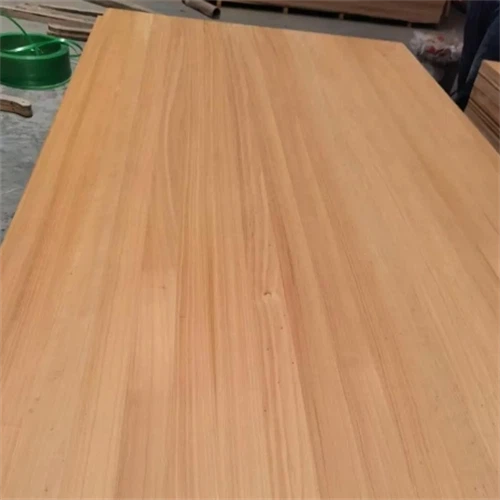
Before delving into storage methods, it's essential to understand the properties of poplar wood. Poplar is a relatively softwood with a fine, uniform texture. It has good workability, making it a popular choice for various applications such as Poplar Drawer Board and Carbonized Poplar Board. However, it is also susceptible to moisture, pests, and mechanical damage.
Moisture Control
Moisture is one of the biggest enemies of poplar wood planks. Excessive moisture can lead to warping, cracking, and the growth of mold and mildew. On the other hand, overly dry conditions can cause the wood to shrink and become brittle.
Ideal Moisture Content
The ideal moisture content for storing poplar wood planks is between 8% and 12%. To measure the moisture content, you can use a moisture meter, which is a handy tool for any wood supplier or woodworker. Regularly checking the moisture content of the planks will help you take appropriate measures to maintain the right humidity level.
Storage Environment
- Indoor Storage: If possible, store poplar wood planks indoors in a climate - controlled environment. A warehouse with a dehumidifier or humidifier can be an excellent option. Keep the temperature relatively stable, preferably between 60°F and 75°F (15°C - 24°C).
- Outdoor Storage: If outdoor storage is unavoidable, protect the planks from direct exposure to rain, snow, and sunlight. Cover the stacks with a waterproof tarp. However, make sure there is still some ventilation to prevent the buildup of moisture under the tarp. You can also use a raised platform to keep the planks off the ground, which helps to improve air circulation and reduce the risk of moisture absorption from the soil.
Stacking and Support
Proper stacking of poplar wood planks is essential to prevent deformation and damage.
Stacking Techniques
- Uniform Stacking: Stack the planks in a uniform and stable manner. Make sure the edges of the planks are aligned, and the stack is level. This helps to distribute the weight evenly and reduces the risk of warping.
- Intermediate Supports: Place intermediate supports, such as stickers, between each layer of planks. Stickers should be straight and of uniform thickness. They help to promote air circulation between the planks, which aids in moisture control. The stickers should be placed at regular intervals, typically every 16 - 24 inches (40 - 60 cm).
Stack Height
Be careful not to stack the planks too high. A stack that is too tall can become unstable and may collapse, causing damage to the planks. As a general rule, limit the stack height to around 6 - 8 feet (1.8 - 2.4 meters), depending on the size and thickness of the planks.
Protection from Pests
Poplar wood can be vulnerable to pests such as termites, beetles, and wood - boring insects.

Inspection
Regularly inspect the stored planks for signs of pest infestation, such as holes, sawdust, or insect activity. Early detection can help you take prompt action to prevent the spread of pests.
Treatment
- Chemical Treatment: You can use chemical treatments to protect the planks from pests. However, make sure to follow the manufacturer's instructions carefully and use environmentally friendly products whenever possible.
- Natural Repellents: Some natural substances, such as cedar oil or neem oil, can act as natural repellents. Applying these substances to the planks can help to deter pests without the use of harsh chemicals.
Prevention of Mechanical Damage
During storage, poplar wood planks can be easily damaged by mechanical means, such as impact or abrasion.
Handling
- Careful Loading and Unloading: When loading and unloading the planks, use proper lifting equipment and handle them with care. Avoid dropping or dragging the planks, as this can cause dents, scratches, or splintering.
- Separation: If you need to store different sizes or grades of planks together, separate them with dividers or padding to prevent them from rubbing against each other and causing damage.
Long - Term Storage Considerations
For long - term storage, additional precautions may be necessary.
Re - checking and Maintenance
Periodically re - check the stored planks for any signs of deterioration, such as changes in moisture content, pest infestation, or mechanical damage. Make any necessary adjustments to the storage conditions or take corrective actions.
Documentation
Keep detailed records of the storage conditions, including temperature, humidity, and inspection results. This documentation can be useful for quality control and for providing information to customers.
Conclusion
Proper storage of poplar wood planks is a multi - faceted process that requires attention to detail and a good understanding of the wood's properties. By controlling moisture, stacking the planks correctly, protecting them from pests and mechanical damage, and following the long - term storage considerations, you can ensure that your poplar wood planks remain in excellent condition.
As a poplar wood planks supplier, I am committed to providing high - quality products to my customers. If you are interested in purchasing Poplar Drawer Board, Carbonized Poplar Board, or Carbonized Boxwood Straight Board, please feel free to contact me for more information and to discuss your specific requirements. I look forward to working with you to meet your wood - related needs.
References
- "Wood Handbook: Wood as an Engineering Material", Forest Products Laboratory, United States Department of Agriculture.
- "The Woodworker's Guide to Wood Selection", Robert W. Lang.