

How to treat poplar wood board to make it more moisture - resistant?
Oct 24, 2025
Leave a message
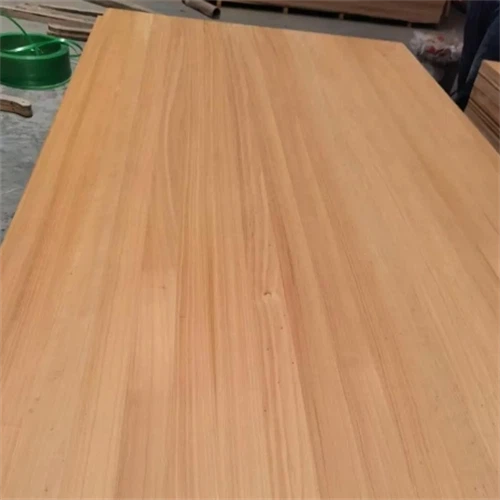
Hey there! I'm a supplier of poplar wood boards, and I know how important it is to make these boards more moisture-resistant. Poplar wood is a popular choice for many woodworking projects because it's relatively inexpensive, easy to work with, and has a nice grain pattern. But one of the downsides of poplar wood is that it can be prone to moisture damage if not properly treated. In this blog post, I'll share some tips on how to treat poplar wood boards to make them more moisture-resistant.
Understanding the Problem
Before we dive into the treatment methods, it's important to understand why poplar wood is susceptible to moisture damage. Poplar is a softwood, which means it has a relatively high porosity compared to hardwoods. This porosity allows moisture to penetrate the wood more easily, leading to issues like warping, swelling, and rot. In addition, poplar wood contains a lot of starch and sugar, which can attract insects and fungi that can further damage the wood.
Preparing the Wood
The first step in treating poplar wood boards for moisture resistance is to prepare the wood properly. This involves sanding the surface of the wood to remove any rough spots or splinters. Sanding also helps to open up the pores of the wood, allowing the treatment to penetrate more effectively. Use a medium-grit sandpaper (around 120-150 grit) to sand the surface of the wood in the direction of the grain. After sanding, wipe the wood down with a clean, dry cloth to remove any dust.
Applying a Sealant
One of the most common ways to make poplar wood boards more moisture-resistant is to apply a sealant. There are several types of sealants available, including polyurethane, varnish, and shellac. Each type of sealant has its own advantages and disadvantages, so it's important to choose the one that's right for your project.

- Polyurethane: Polyurethane is a popular choice for sealing poplar wood because it provides a durable, water-resistant finish. It comes in both oil-based and water-based formulas. Oil-based polyurethane tends to be more durable and provides a richer, warmer color, but it takes longer to dry and has a stronger odor. Water-based polyurethane dries faster, has less odor, and is easier to clean up, but it may not be as durable as oil-based polyurethane.
- Varnish: Varnish is another option for sealing poplar wood. It's similar to polyurethane but is typically made from a combination of resins, oils, and solvents. Varnish provides a hard, protective finish that is resistant to water, scratches, and stains. Like polyurethane, varnish comes in both oil-based and water-based formulas.
- Shellac: Shellac is a natural sealant made from the resin of the lac bug. It provides a warm, amber-colored finish that is relatively easy to apply and dries quickly. Shellac is not as water-resistant as polyurethane or varnish, but it can still provide some protection against moisture.
To apply the sealant, use a brush or a spray gun. Make sure to apply the sealant evenly, following the manufacturer's instructions. Apply multiple coats for maximum protection, allowing each coat to dry completely before applying the next one.
Using a Wood Preservative
In addition to applying a sealant, you can also use a wood preservative to make poplar wood boards more moisture-resistant. Wood preservatives are chemicals that are designed to protect wood from decay, insects, and fungi. There are several types of wood preservatives available, including borates, copper-based preservatives, and oil-based preservatives.
- Borates: Borates are a popular choice for treating poplar wood because they are relatively safe and effective. Borates work by penetrating the wood and preventing the growth of fungi and insects. They are typically applied as a liquid solution, which can be brushed or sprayed onto the wood.
- Copper-based preservatives: Copper-based preservatives are another option for treating poplar wood. They are more effective than borates at preventing decay and insect damage, but they can be more toxic. Copper-based preservatives are typically applied as a pressure-treated process, which involves forcing the preservative into the wood under high pressure.
- Oil-based preservatives: Oil-based preservatives are a traditional way to treat wood. They work by penetrating the wood and providing a barrier against moisture, decay, and insects. Oil-based preservatives are typically applied as a liquid solution, which can be brushed or sprayed onto the wood.
When using a wood preservative, make sure to follow the manufacturer's instructions carefully. Wear protective clothing, gloves, and a mask to avoid contact with the preservative.
Carbonizing the Wood
Carbonizing is a process that involves heating the wood to a high temperature in the absence of oxygen. This process changes the chemical structure of the wood, making it more resistant to moisture, decay, and insects. Carbonized poplar boards are becoming increasingly popular in the woodworking industry because they have a unique, dark color and a more durable surface. You can learn more about Carbonized Poplar Board on our website.
Using a Moisture Barrier
Another way to make poplar wood boards more moisture-resistant is to use a moisture barrier. A moisture barrier is a material that is placed between the wood and the source of moisture to prevent the moisture from reaching the wood. There are several types of moisture barriers available, including plastic sheeting, foil, and rubberized coatings.
- Plastic sheeting: Plastic sheeting is a common type of moisture barrier. It's inexpensive, easy to install, and provides a good barrier against moisture. However, plastic sheeting can trap moisture between the wood and the sheeting, which can lead to mold and mildew growth.
- Foil: Foil is another option for a moisture barrier. It's more expensive than plastic sheeting but provides a better barrier against moisture and heat. Foil is also more durable and less likely to tear or puncture.
- Rubberized coatings: Rubberized coatings are a more advanced type of moisture barrier. They are applied as a liquid and dry to form a flexible, waterproof membrane. Rubberized coatings are more expensive than plastic sheeting or foil but provide the best protection against moisture.
Maintaining the Treated Wood
Once you've treated your poplar wood boards for moisture resistance, it's important to maintain them properly. This involves keeping the wood clean and dry, avoiding exposure to excessive moisture, and inspecting the wood regularly for signs of damage. If you notice any signs of moisture damage, such as warping, swelling, or rot, take action immediately to prevent further damage.
Conclusion
Making poplar wood boards more moisture-resistant is an important step in ensuring the longevity and durability of your woodworking projects. By following the tips outlined in this blog post, you can effectively treat your poplar wood boards to protect them from moisture, decay, and insects. Whether you're using Poplar Drawer Board for a drawer or Poplar Edge Glued Board for a larger project, proper treatment is key.
If you're interested in purchasing high-quality poplar wood boards or have any questions about treating them for moisture resistance, feel free to reach out to us. We're here to help you with all your woodworking needs.
References
- Wood Handbook: Wood as an Engineering Material. Forest Products Laboratory.
- The Complete Guide to Wood Finishing. Bob Flexner.