

Is acacia wood board a sustainable option?
Jun 09, 2025
Leave a message
Is acacia wood board a sustainable option?
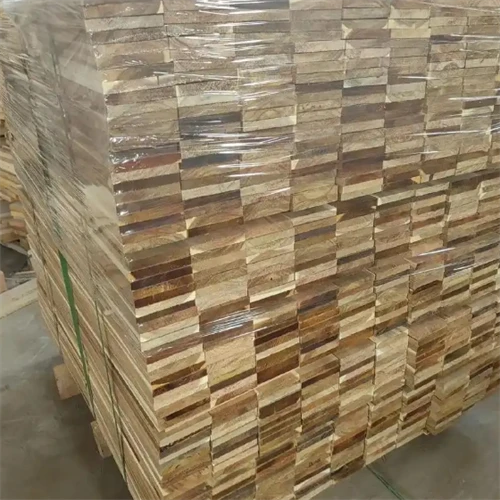
As a supplier of acacia wood boards, I've often been asked about the sustainability of this particular type of wood. In today's environmentally - conscious world, the sustainability of building and furniture materials is a crucial concern for consumers, architects, and designers alike. In this blog, I'll explore whether acacia wood board is a sustainable option, taking into account various aspects such as growth rate, forest management, and end - of - life disposal.
Growth Rate and Regeneration
One of the key factors in determining the sustainability of a wood source is its growth rate. Acacia trees are known for their relatively fast growth. Many acacia species can reach maturity in a shorter time compared to some slow - growing hardwoods like teak or mahogany. For example, certain acacia varieties can be harvested for wood within 7 - 10 years, while teak may take 20 - 30 years or more.
This rapid growth means that acacia forests can be replenished more quickly. When a forest is managed properly, new acacia trees can be planted after harvesting, ensuring a continuous supply of wood. This natural cycle of growth and harvest mimics the ecological balance of the forest ecosystem. As a result, from a growth - rate perspective, acacia wood board has a strong case for being a sustainable option.
Forest Management
Sustainable forest management is another vital aspect. At our supply chain, we are committed to working with foresters who follow strict forest management practices. These practices include selective logging, where only mature and suitable trees are harvested. This approach helps to maintain the overall health of the forest by leaving younger trees to grow and mature.
In addition, reforestation programs are an integral part of our forest management strategy. After a section of the forest has been harvested, new acacia seedlings are planted. We also support initiatives that protect the biodiversity of the forest. For instance, we ensure that the natural habitats of other plant and animal species are not disrupted during the logging process. By adhering to these management practices, we can ensure that the acacia forests we source from remain healthy and productive for future generations.
Environmental Impact of Production
The production process of acacia wood boards also plays a role in its sustainability. Our manufacturing facilities are equipped with modern technology that reduces waste and energy consumption. For example, we use advanced sawing techniques that maximize the yield from each log, minimizing the amount of wood that is wasted as sawdust. This sawdust can then be used as a bio - fuel or for other purposes, such as making particle boards.
In terms of energy, we are gradually transitioning to renewable energy sources in our production process. Solar panels are being installed on the roofs of our factories to generate a portion of the electricity we need. By reducing our reliance on fossil fuels, we can significantly lower the carbon footprint of our acacia wood board production.
Durability and Long - Term Use
Acacia wood is known for its durability. Acacia wood boards are resistant to rot, decay, and insect infestation. This means that products made from acacia wood, such as Acacia Furniture Board, can have a long lifespan. When consumers choose acacia wood furniture or building materials, they are investing in products that will last for many years.
The long - term use of acacia wood products reduces the need for frequent replacements. This, in turn, decreases the overall demand for new wood and the associated environmental impact of harvesting and production. So, the durability of acacia wood board contributes to its sustainability by promoting a more circular and resource - efficient economy.
End - of - Life Disposal
At the end of its useful life, acacia wood board can be recycled or reused. For example, old acacia furniture can be repurposed into new items, such as Acacia Wood Puzzle. This not only reduces waste but also gives the wood a new lease on life.
If recycling is not an option, acacia wood is biodegradable. When disposed of in a natural environment, it will break down over time, returning nutrients to the soil. This natural decomposition process is in harmony with the environment and does not contribute to long - term pollution.
Market Demand and Certification
The growing market demand for sustainable wood products is also a positive sign for acacia wood board. Consumers are increasingly looking for eco - friendly options when purchasing furniture and building materials. This demand has led to the development of various certification programs, such as the Forest Stewardship Council (FSC) certification.
We are working towards obtaining FSC certification for our acacia wood boards. This certification serves as a mark of quality and sustainability. It assures our customers that the acacia wood boards they are purchasing have been sourced and produced in an environmentally and socially responsible manner.

Challenges and Solutions
Despite the many positive aspects, there are still some challenges in ensuring the sustainability of acacia wood board. One challenge is the potential for illegal logging in some regions. To address this, we have established a strict traceability system. Each acacia wood board we supply can be traced back to its source in the forest. This allows us to verify that the wood has been legally harvested and that all environmental regulations have been followed.
Another challenge is the competition for land. As the demand for acacia wood increases, there is a risk of deforestation to make way for more acacia plantations. To mitigate this, we are working with local communities and governments to ensure that acacia plantations are established on previously degraded or non - forested land. This way, we can meet the market demand without causing unnecessary deforestation.
Conclusion
In conclusion, acacia wood board is a highly sustainable option. Its fast growth rate, coupled with proper forest management, makes it a renewable resource. The low environmental impact of production, durability, and end - of - life disposal options further strengthen its case for sustainability.
As a supplier, we are dedicated to maintaining the highest standards of sustainability in our operations. We believe that by providing high - quality and sustainable acacia wood boards, we can contribute to a more environmentally friendly and responsible building and furniture industry.
If you are interested in purchasing acacia wood boards for your projects, whether it's for furniture making or construction, we would be delighted to have a discussion with you. Please feel free to reach out to us to start a conversation about your specific requirements and how we can meet them with our sustainable acacia wood board products.
References
- Forest Stewardship Council. (2023). Principles and Criteria for Forest Stewardship.
- International Tropical Timber Organization. (2022). State of the World’s Tropical Forests.
- World Wildlife Fund. (2021). Sustainable Forest Management Guidelines.