

What is the environmental impact of making wooden wine boxes?
Jun 09, 2025
Leave a message
Hey there! I'm a supplier of Wooden Wine Boxes, and today I wanna have a chat about the environmental impact of making these nifty wooden containers.
First off, let's talk about the raw material - wood. Wood is a natural and renewable resource, which is a big plus for the environment. When forests are managed sustainably, new trees can be planted to replace the ones that are harvested. Sustainable forestry practices ensure that the ecological balance of the forest is maintained. For example, selective logging is often used, where only mature and specific trees are cut down. This way, the younger trees have more space and resources to grow, and the overall forest ecosystem remains healthy.
However, the process of sourcing wood isn't always as green as we'd like it to be. Illegal logging is a major problem in many parts of the world. It can lead to deforestation, loss of biodiversity, and soil erosion. When large areas of forests are cleared without proper planning, it disrupts the habitats of countless plant and animal species. And once the trees are gone, the soil is more likely to be washed away by rain, which can cause problems like flooding and sedimentation in rivers.
As a supplier, I make sure to source my wood from certified sustainable forests. I work with suppliers who follow strict environmental standards and have the necessary certifications, like the Forest Stewardship Council (FSC) certification. This gives me and my customers the peace of mind that the wood used in our Wooden Wine Boxes comes from well - managed forests.
Now, let's move on to the manufacturing process. Making wooden wine boxes involves several steps, such as cutting, shaping, sanding, and finishing. Each of these steps consumes energy. Most of the energy in manufacturing comes from fossil fuels, which contribute to greenhouse gas emissions. For instance, powering the saws and sanders in the workshop requires electricity, and if that electricity is generated from coal - fired power plants, it's not great for the environment.
To reduce the energy footprint, I've been investing in more energy - efficient equipment. Newer machines are often designed to use less power while still maintaining high - quality production. I've also installed some solar panels on the roof of my workshop. This helps to generate a portion of the electricity we need, reducing our reliance on the grid and lowering our carbon emissions.
Another aspect of the manufacturing process is the use of chemicals. When finishing the wooden wine boxes, we often use stains, paints, and varnishes. Some of these chemicals can be harmful to the environment and human health. They may contain volatile organic compounds (VOCs), which can evaporate into the air and contribute to air pollution. They can also pose risks to the workers in the workshop if proper safety measures aren't taken.
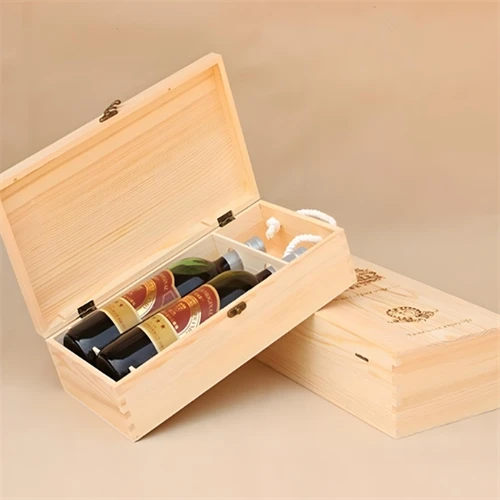

I've switched to using water - based finishes for my Wooden Wine Gift Boxes. These finishes have lower VOC content compared to traditional solvent - based ones. They're also less toxic and easier to clean up. This not only benefits the environment but also the health of my employees.
Transportation is yet another factor that affects the environmental impact. Once the wooden wine boxes are made, they need to be transported to the customers. If the transportation is done over long distances, especially by trucks or planes, it can generate a significant amount of carbon emissions.
To minimize this, I try to work with local customers as much as possible. By reducing the distance the boxes need to travel, I can cut down on the transportation - related emissions. I also use more fuel - efficient vehicles for local deliveries and explore options like consolidating shipments to make the most of each trip.
When it comes to the end - of - life of the wooden wine boxes, they have some environmental advantages. Wood is biodegradable, which means it can break down naturally over time. Unlike plastic or metal containers, wooden boxes won't sit in landfills for hundreds of years. If the boxes are disposed of properly, they can be composted or used as a source of biomass energy.
However, if the boxes are treated with certain chemicals or paints, the biodegradation process may be slower or more complicated. That's why I'm so careful about the finishes I use, as I want the boxes to have a relatively easy end - of - life process.
In conclusion, while making wooden wine boxes does have some environmental impacts, there are many ways to mitigate them. As a supplier, I'm committed to reducing my environmental footprint at every stage of the process, from sourcing the wood to delivering the final product.
If you're in the market for high - quality and environmentally - friendly Wooden Wine Gift Box, I'd love to have a chat with you. Whether you're a winery looking for packaging solutions or an individual in need of a special gift box, I can offer you a range of options. Let's work together to make your wine - packaging needs both stylish and sustainable.
References:
- Forest Stewardship Council (FSC) official documentation on sustainable forestry.
- Environmental Protection Agency (EPA) reports on VOCs and air pollution.
- Studies on the energy consumption of wood - manufacturing processes.