

Is pine wood board a good material for carving?
Oct 01, 2025
Leave a message
Hey there, fellow woodworking enthusiasts! As a supplier of pine wood boards, I've been getting a ton of questions lately about whether pine wood board is a good material for carving. Well, you've come to the right place! In this blog post, I'm gonna share my firsthand experience and knowledge to help you figure out if pine is the perfect fit for your carving projects.
The Basics of Pine Wood for Carving
First off, let's talk about what makes pine wood unique. Pine is a softwood, which means it's generally easier to work with compared to hardwoods like oak or maple. This softness is a double - edged sword when it comes to carving. On one hand, it allows for quick and smooth cuts, making it ideal for beginners who are still getting the hang of carving tools. You can use a variety of carving knives, chisels, and even power tools with relative ease on pine.
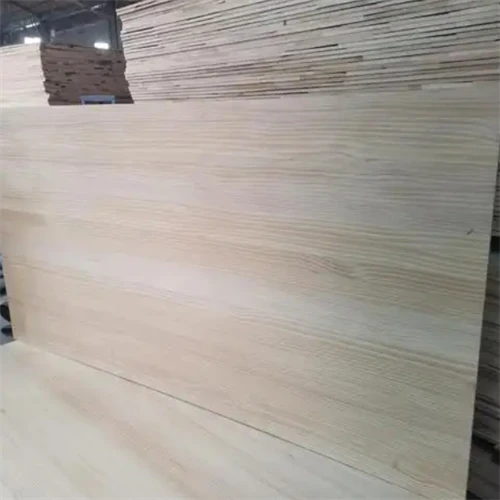
There are different types of pine wood boards available, and each has its own characteristics. For instance, the Pine Solid Wood Board is a great option if you want a solid, uniform piece of wood for your carving. It provides a stable surface and is less likely to split during the carving process.
The Pine Edge Glued Board is another choice. It's made by gluing together narrow strips of pine, which can give you a larger board size while still maintaining the benefits of pine wood. And the Radiata Pine Finger Joint Board is known for its strength and uniformity, thanks to the finger - jointed construction.
Advantages of Using Pine Wood for Carving
Ease of Carving
As I mentioned earlier, pine's softness makes it a breeze to carve. Whether you're doing delicate detailed work or rough shaping, you can make quick progress. For example, if you're carving a small figurine, you can easily create smooth curves and fine details without having to put in a ton of force. This is especially beneficial for those who are new to carving and don't have a lot of upper - body strength.
Cost - Effective
Pine wood is generally more affordable than many hardwoods. This is great news for hobbyists or those on a budget. You can buy larger quantities of pine boards without breaking the bank, allowing you to experiment with different carving techniques and projects. You can make multiple test pieces or create larger works without worrying too much about the cost of materials.
Availability
Pine is one of the most widely available woods in the market. You can find it at most lumberyards, home improvement stores, and of course, from suppliers like me. This means you can easily get your hands on the right pine wood board for your carving project whenever you need it. No more waiting around for special orders or dealing with long lead times.
Natural Beauty
Pine has a warm, inviting look with its light color and distinct grain patterns. When you carve pine, you can enhance these natural features, creating a beautiful and unique piece. The grain can add depth and character to your carving, making it look even more interesting. And if you choose to finish the piece with a stain or varnish, the natural beauty of the pine really shines through.
Disadvantages of Using Pine Wood for Carving
Softness and Durability
While the softness of pine is an advantage when it comes to carving, it can also be a drawback in terms of durability. Pine is more prone to dents and scratches compared to hardwoods. If your carved piece is going to be in a high - traffic area or subject to a lot of handling, it may not hold up as well over time. However, you can mitigate this issue by applying a protective finish like a clear coat or varnish.
Knots and Imperfections
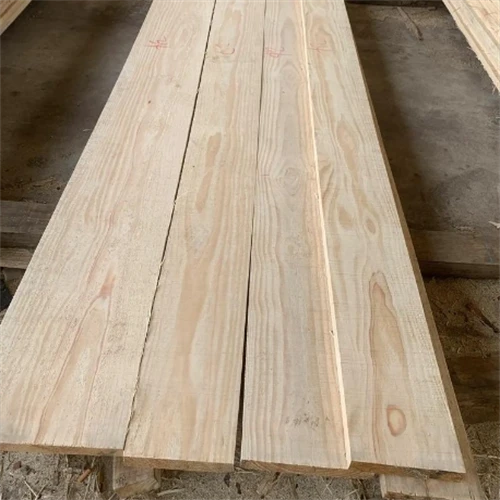
Pine often has knots, which can be both a blessing and a curse for carving. On one hand, knots can add character to your piece, giving it a rustic look. On the other hand, they can make carving more difficult. Knots are harder than the surrounding wood, so you may need to use a different carving technique or a more robust tool to work through them. And in some cases, knots can cause the wood to split if not handled carefully.
Grain Variations
The grain of pine can vary quite a bit, even within the same board. This can make it a bit challenging to achieve a consistent carving result. In some areas, the grain may be straight and easy to follow, while in others, it may be more irregular. You need to be aware of the grain direction when carving to avoid tear - out and ensure a smooth finish.
Tips for Carving Pine Wood
If you've decided to give pine wood carving a try, here are some tips to help you get the best results:
- Choose the Right Tools: Use sharp carving knives and chisels for the best results. Dull tools can make the carving process more difficult and may cause the wood to splinter. You can also consider using power carving tools like rotary tools or Dremels for larger projects or more detailed work.
- Understand the Grain: Before you start carving, take a close look at the grain pattern of the pine board. Try to carve with the grain as much as possible to prevent tear - out. If you need to carve against the grain, use a lighter touch and make smaller cuts.
- Sand and Finish: After you've finished carving, sand the surface of the piece to smooth out any rough edges. You can start with a coarse - grit sandpaper and gradually work your way up to a fine - grit sandpaper for a really smooth finish. Then, apply a protective finish like a stain, varnish, or oil to enhance the natural beauty of the pine and protect it from damage.
Conclusion
So, is pine wood board a good material for carving? The answer is a resounding yes, especially for beginners or those looking for a cost - effective and easy - to - work - with option. While it has its drawbacks, with the right techniques and a bit of care, you can create beautiful and unique carved pieces using pine wood.
If you're interested in purchasing pine wood boards for your carving projects, I'd love to help you out. Whether you're looking for a Pine Solid Wood Board, Pine Edge Glued Board, or Radiata Pine Finger Joint Board, I have a wide selection to choose from. Just reach out to me, and we can discuss your specific needs and get you the perfect pine wood board for your next carving adventure.
References
- "Woodworking Basics: Understanding Different Types of Wood" by Woodcraft Magazine
- "Carving Techniques for Beginners" by The Carving Journal