

Is Poplar Solid Wood fire - resistant?
Apr 22, 2026
Leave a message
Hey there! I'm a supplier of Poplar Solid Wood, and I often get asked this question: "Is Poplar Solid Wood fire-resistant?" It's a super important question, especially when it comes to using wood in construction, furniture making, and other applications. So, let's dig into this topic and find out the truth.

First off, let's understand what "fire-resistant" really means. When we say a material is fire-resistant, it doesn't catch fire easily, and if it does, it burns slowly. This gives people more time to evacuate in case of a fire. Now, let's talk about poplar solid wood.
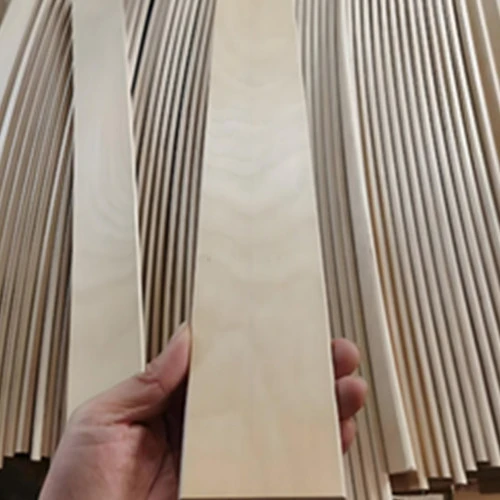
Poplar is a softwood that's commonly used in the wood industry. It's known for its light color, straight grain, and relatively low cost. It's used to make all sorts of things, like Carbonized Poplar Board, Poplar Furniture Board, and Poplar Bed Slats. But is it fire-resistant?
The short answer is no, poplar solid wood is not inherently fire-resistant. Like most woods, poplar is made up of cellulose, hemicellulose, and lignin, which are all organic compounds that can burn. When exposed to heat or an open flame, poplar will catch fire and burn. However, the rate at which it burns can vary depending on several factors.
One of the main factors that affects the fire resistance of poplar solid wood is its moisture content. Wood with a high moisture content takes longer to catch fire because the water needs to evaporate first. So, if you have poplar wood that's been properly stored and has a relatively high moisture content, it might take a bit longer to ignite compared to dry wood.
Another factor is the density of the wood. Generally, denser woods burn more slowly than less dense woods. Poplar is a relatively soft and less dense wood, which means it can burn more quickly compared to denser hardwoods like oak or maple.
The thickness of the wood also plays a role. Thicker pieces of poplar solid wood will take longer to burn through compared to thinner pieces. This is because there's more material to burn, and the heat has to penetrate deeper into the wood.
Now, just because poplar solid wood isn't fire-resistant doesn't mean it can't be made more fire-resistant. There are several ways to treat wood to improve its fire resistance. One common method is to use fire-retardant chemicals. These chemicals are applied to the wood either by soaking, spraying, or pressure-treating. Fire-retardant chemicals work by creating a barrier on the surface of the wood that slows down the spread of fire and reduces the amount of heat released.
Another option is to use a fire-resistant coating. There are various types of fire-resistant coatings available on the market, such as intumescent coatings. These coatings expand when exposed to heat, creating a thick, insulating layer that protects the wood underneath.
It's important to note that while these treatments can significantly improve the fire resistance of poplar solid wood, they don't make it completely fireproof. In a severe fire, even treated wood will eventually burn.
So, if you're planning to use poplar solid wood in an application where fire safety is a concern, it's a good idea to consider using treated wood or taking other fire safety measures. For example, you can install fire sprinklers, smoke detectors, and fire barriers in the area where the wood is being used.
In the construction industry, building codes often require the use of fire-resistant materials in certain areas, such as in commercial buildings or multi-family dwellings. If you're using poplar solid wood in a construction project, make sure to check the local building codes to see if any fire-resistant treatments are required.
When it comes to furniture making, using fire-resistant poplar solid wood can provide an extra layer of safety. For example, if you're making a bed frame out of poplar, using fire-treated wood can reduce the risk of a fire spreading quickly in case of an accident.
As a poplar solid wood supplier, I understand the importance of fire safety. That's why I offer treated poplar solid wood options for customers who need a more fire-resistant product. Whether you're a contractor, a furniture maker, or a DIY enthusiast, I can help you find the right poplar solid wood for your project.
If you're interested in learning more about our poplar solid wood products or have any questions about fire resistance, feel free to reach out. We can discuss your specific needs and provide you with the best solutions. Whether you're looking for Carbonized Poplar Board, Poplar Furniture Board, or Poplar Bed Slats, we've got you covered.
In conclusion, while poplar solid wood isn't fire-resistant on its own, there are ways to make it more fire-resistant. By understanding the factors that affect its fire behavior and using appropriate treatments, you can use poplar solid wood in a variety of applications while still maintaining a reasonable level of fire safety. So, if you're in the market for poplar solid wood, don't hesitate to contact us. We're here to help you make the right choice for your project.
References
- "Wood Handbook: Wood as an Engineering Material." Forest Products Laboratory.
- "Fire Resistance of Wood and Wood-Based Products." National Fire Protection Association.