

What is the thickness of LVB Poplar Slats?
Jul 10, 2025
Leave a message
Hey there! As a supplier of LVB Poplar Slats, I often get asked about the thickness of these slats. So, I thought I'd write this blog to share all the deets on that topic.
First off, let's understand what LVB Poplar Slats are. LVB stands for Laminated Veneer Board, and poplar is the type of wood used. Poplar is a popular choice for making slats because it's relatively lightweight, has a nice grain pattern, and is cost - effective. These slats have a wide range of applications, from furniture making to interior decoration.
Now, onto the main question: what's the thickness of LVB Poplar Slats? Well, the thickness can vary quite a bit depending on the specific needs of the project.
Common Thicknesses
The most common thicknesses for LVB Poplar Slats range from 3mm to 25mm.
-
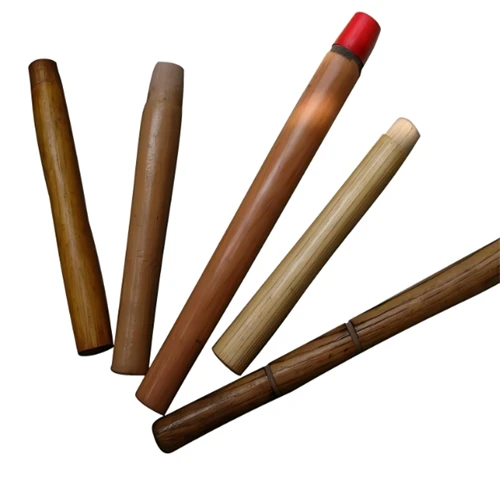
3mm - 6mm Thickness: Slats in this thickness range are quite thin. They're often used for applications where flexibility is key, like in making curved furniture pieces or decorative inlays. For example, if you're making a poplar wood handle for a cabinet or a small tool, a 3 - 6mm thick LVB Poplar Slat could be a great choice. You can check out some cool Poplar Wood Handle options that might use these thinner slats.
-
9mm - 12mm Thickness: These are medium - thickness slats. They strike a good balance between strength and flexibility. They're commonly used in furniture construction, especially for parts that need to support some weight but also have a certain amount of give. For instance, they can be used as the back panels of cabinets or the shelves in a small bookcase. If you're into building drawers, Poplar Drawer Board made from 9 - 12mm LVB Poplar Slats can work really well.
-
15mm - 25mm Thickness: These are the thickest slats in the range. They're very sturdy and are typically used for heavy - duty applications. In furniture making, they can be used for table tops, bed frames, or the main structural parts of large cabinets. If you're looking for a durable and high - quality option, carbonized poplar boards made from these thick slats are a great choice. Check out Carbonized Poplar Board for more details.

Factors Affecting Thickness Selection
There are several factors that can influence the choice of thickness for LVB Poplar Slats.
Application
As I mentioned earlier, the intended use of the slats is a major factor. If you're making something that requires a lot of bending or shaping, a thinner slat is better. On the other hand, if the slat needs to support a heavy load, a thicker one is necessary.
Structural Requirements
The overall structure of the project also matters. For example, if you're building a large piece of furniture with a complex design, you might need thicker slats to ensure stability. Thinner slats might not be able to handle the stress and could break or warp over time.
Aesthetic Preferences
Sometimes, it's all about the look. Thinner slats can give a more delicate and refined appearance, while thicker slats can create a more rustic and robust look. So, depending on the style you're going for in your project, you can choose the appropriate thickness.
Quality and Thickness Consistency
When you're buying LVB Poplar Slats, it's important to consider the quality and the consistency of the thickness. A high - quality slat will have a consistent thickness throughout its length and width. This is crucial because inconsistent thickness can lead to problems during installation and can affect the overall appearance and functionality of the finished product.
As a supplier, I take great pride in providing slats with excellent quality control. We use advanced manufacturing techniques to ensure that each slat meets the specified thickness requirements. Our team carefully inspects every batch of slats to make sure there are no significant variations in thickness.
Custom Thickness Options
In addition to the common thicknesses, we also offer custom thickness options. If you have a unique project that requires a specific thickness that's not in the standard range, just let us know. We can work with you to produce LVB Poplar Slats that meet your exact specifications. This flexibility is one of the things that sets us apart from other suppliers.
Cost Considerations
The cost of LVB Poplar Slats can vary depending on the thickness. Generally, thicker slats are more expensive because they require more wood and more processing. However, it's important to remember that the cost should be weighed against the benefits. A thicker slat might cost more upfront, but it could save you money in the long run by providing better durability and performance.
Contact Us for Your LVB Poplar Slat Needs
If you're in the market for LVB Poplar Slats, whether it's for a small DIY project or a large - scale furniture manufacturing business, I'd love to hear from you. We have a wide range of thicknesses available, and we can also customize slats to your specific requirements.
Don't hesitate to reach out if you have any questions about the thickness, quality, or cost of our LVB Poplar Slats. We're here to help you make the right choice for your project.
References
- Wood Handbook: Wood as an Engineering Material, Forest Products Laboratory
- Furniture Manufacturing and Design, Various Industry Publications