

Can Poplar Wood Planks be used for outdoor decking?
Jan 09, 2026
Leave a message
Hey there! As a supplier of poplar wood planks, I often get asked if poplar wood planks can be used for outdoor decking. It's a valid question, and today, I'm gonna dive deep into this topic to give you all the info you need.
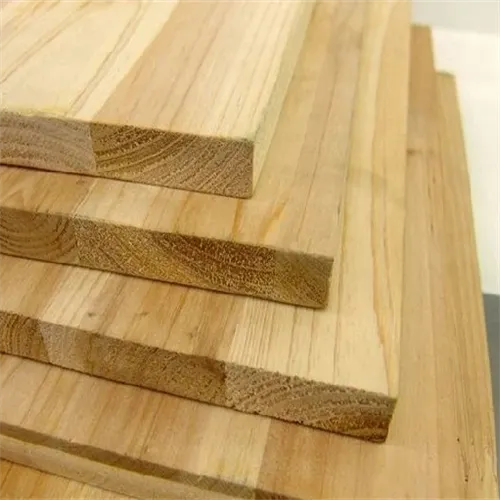
First off, let's talk a bit about poplar wood. Poplar is a fast - growing hardwood that's readily available. It has a relatively straight grain and a light color, which can give your deck a clean and natural look. It's also quite affordable compared to some other hardwoods, making it an attractive option for those on a budget.
But when it comes to using it outdoors, there are a few things we need to consider.
Durability
One of the biggest concerns with using poplar wood for outdoor decking is its durability. Poplar is not naturally rot - resistant like some other woods such as cedar or redwood. When exposed to the elements, especially moisture, it can start to rot over time. Rain, snow, and high humidity can all take a toll on poplar wood. If water gets trapped in the wood, it creates an environment where fungi can thrive, leading to rot and decay.
However, this doesn't mean that poplar can't be used outdoors. With proper treatment, we can significantly improve its durability. There are various wood treatments available in the market. For example, pressure - treating poplar wood can force preservatives deep into the wood fibers, making it more resistant to rot and insects. Another option is to use a high - quality water - repellent sealant. This creates a barrier on the surface of the wood, preventing water from penetrating and reducing the risk of rot.
Weather Resistance
Outdoor decks are constantly exposed to different weather conditions. In addition to moisture, they also have to deal with sunlight, temperature changes, and wind. Poplar wood can be affected by UV rays from the sun. Over time, the sun can cause the wood to fade and become brittle. The color of the poplar may change, losing its original appeal.
Temperature fluctuations can also cause the wood to expand and contract. This can lead to cracks and warping in the decking planks. In cold climates, freezing and thawing cycles can be particularly harsh on the wood. Water that gets into the pores of the wood can freeze and expand, causing the wood fibers to break.
To enhance the weather resistance of poplar wood, you can apply a UV - resistant finish. This will help protect the wood from the sun's harmful rays and keep its color looking fresh. And as I mentioned earlier, a good sealant can also help with temperature - related issues by reducing the amount of water that gets into the wood and minimizing expansion and contraction.
Strength and Load - Bearing Capacity
When it comes to a deck, strength is crucial. You want a deck that can support the weight of people, furniture, and any other items placed on it. Poplar wood has a decent strength - to - weight ratio. It's strong enough to be used for decking, but it's important to make sure that the planks are properly installed and supported.
Proper joist spacing is essential. If the joists are too far apart, the poplar planks may sag under the weight. Also, using the right fasteners is important. Screws are generally a better choice than nails as they provide a stronger hold and are less likely to pull out over time.

Aesthetics
One of the advantages of using poplar wood for outdoor decking is its aesthetic appeal. It has a smooth, even texture and a light color that can add a warm and inviting feel to your outdoor space. You can leave the poplar in its natural state to showcase its beauty, or you can stain it to achieve a different look. There are a wide variety of stains available, from light to dark colors, allowing you to customize the appearance of your deck.
If you're interested in different poplar wood products, you can check out Poplar Bed Slats, Poplar Wood Finger Joint Board, and Carbonized Poplar Board. These products also showcase the versatility of poplar wood.
Maintenance
Maintaining a poplar wood deck requires some effort. Regular cleaning is necessary to keep the deck looking good and to prevent the buildup of dirt, debris, and mold. You can use a mild detergent and a soft - bristled brush to clean the surface of the deck. Rinse it thoroughly with water afterward.
Inspecting the deck regularly is also important. Look for signs of rot, cracks, or loose fasteners. If you notice any issues, address them promptly. For example, if you find a rot - affected plank, replace it before the problem spreads.
Cost - Effectiveness
As I mentioned earlier, poplar wood is relatively affordable compared to some other hardwoods used for decking. This can be a major advantage, especially for large decking projects. If you're on a tight budget but still want a nice - looking deck, poplar can be a great option.
However, you also need to factor in the cost of treatment and maintenance. The initial cost of treating the wood and the ongoing cost of maintenance should be considered when comparing the overall cost of using poplar wood for decking with other materials.
Conclusion
So, can poplar wood planks be used for outdoor decking? The answer is yes, but with some caveats. Poplar wood has its limitations in terms of durability and weather resistance, but with proper treatment and maintenance, it can be a viable option for your outdoor deck. It offers an attractive look at an affordable price, and with the right care, it can last for many years.
If you're considering using poplar wood for your outdoor decking project, I'd be more than happy to help. I'm a supplier of high - quality poplar wood planks, and I can provide you with all the information and products you need. Whether you're looking for untreated poplar planks that you can treat yourself or pre - treated planks, I've got you covered.
If you have any questions or are interested in purchasing poplar wood planks for your outdoor deck, feel free to reach out. Let's have a chat about your project and see how we can make it a success.
References
- Wood Handbook: Wood as an Engineering Material. Forest Products Laboratory.
- "Guide to Outdoor Wood Decking Materials." Home Improvement Magazine.