

Does LVL Poplar Wood Board absorb water easily?
Dec 19, 2025
Leave a message
Hey there! As a supplier of LVL Poplar Wood Board, I often get asked a bunch of questions about our product. One of the most common ones is, "Does LVL Poplar Wood Board absorb water easily?" Well, let's dive right into it and find out.
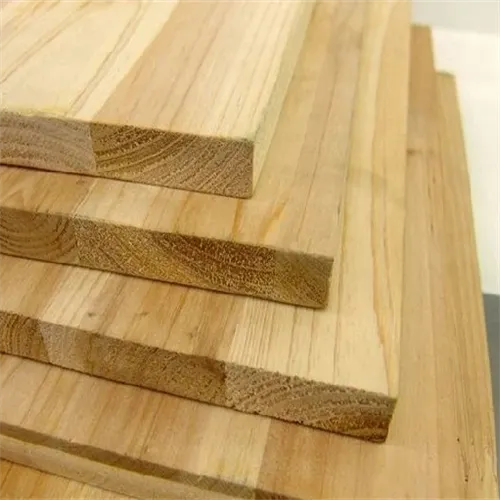
First off, let me give you a quick rundown on what LVL Poplar Wood Board is. LVL stands for Laminated Veneer Lumber. It's made by bonding multiple layers of thin poplar wood veneers together with adhesives under high pressure and temperature. This process creates a strong and stable board that's used in a variety of applications, from construction to furniture making.

Now, back to the question at hand. Whether LVL Poplar Wood Board absorbs water easily depends on a few factors. One of the main things to consider is the type of adhesive used in the manufacturing process. High - quality adhesives can create a strong bond between the veneers and also act as a bit of a barrier against water.
If the LVL Poplar Wood Board is made with a good waterproof adhesive, it won't absorb water as easily. These adhesives form a protective layer that slows down the penetration of water into the wood. However, if a lower - quality adhesive is used, the board may be more susceptible to water absorption.
Another factor is the density of the board. Generally, denser LVL Poplar Wood Boards tend to absorb water more slowly. The tight arrangement of the wood fibers in a dense board makes it harder for water molecules to find their way in. On the other hand, less dense boards have more gaps between the fibers, providing an easier path for water.
The environment in which the board is used also plays a huge role. If the LVL Poplar Wood Board is exposed to a constantly humid environment, like a bathroom or a basement with poor ventilation, it's more likely to absorb water over time. Even if the board has some level of water resistance, long - term exposure to high humidity can still cause problems.
Let's talk about some real - world scenarios. If you're using LVL Poplar Wood Board for outdoor projects, such as building a deck or a shed, it's going to face a lot of moisture. Rain, snow, and high humidity can all take a toll on the board. In this case, it's crucial to treat the board with a waterproof coating. There are various types of coatings available on the market, like polyurethane or epoxy. These coatings can add an extra layer of protection and significantly reduce water absorption.
On the flip side, if the LVL Poplar Wood Board is used indoors in a dry environment, like for making cabinets or shelves, the risk of water absorption is much lower. As long as it's not exposed to spills or leaks, the board should hold up well.
Now, I want to mention some of the products we offer. We have Poplar Bed Slats, which are made from high - quality LVL Poplar Wood Board. These slats are strong and durable, and with proper care, they won't absorb water easily. They're a great choice for a sturdy and reliable bed base.
Our Poplar Wood Finger Joint Board is another excellent option. It's perfect for furniture making, and we ensure that it has good water - resistant properties. The finger - jointed design adds to its strength, and the quality adhesive used in its production helps keep water at bay.
And then there are our Poplar Wood Planks. These planks are versatile and can be used for a wide range of projects. Whether you're building a small DIY project or a large - scale construction, our planks are designed to be as water - resistant as possible.
So, to sum it up, LVL Poplar Wood Board doesn't necessarily absorb water easily, but it depends on several factors. The quality of the adhesive, the density of the board, and the environment in which it's used all play important roles. With proper treatment and care, you can minimize water absorption and ensure the longevity of the board.
If you're interested in our LVL Poplar Wood Board products or have any questions about water absorption or other aspects, don't hesitate to reach out. We're always here to help and can provide you with more detailed information. Whether you're a contractor, a furniture maker, or a DIY enthusiast, we've got the right products for you. Let's start a conversation and see how we can meet your wood - board needs.
References
- Wood Handbook: Wood as an Engineering Material, USDA Forest Service
- "Properties of Laminated Veneer Lumber", Journal of Wood Science and Technology