

How to prevent poplar wood board from warping?
May 28, 2025
Leave a message
Hey there! As a supplier of poplar wood boards, I've seen my fair share of issues, and one of the most common headaches is board warping. Warping can turn a perfectly good piece of poplar wood into a useless mess, which is why I'm here to share some tips on how to prevent it.
First off, let's understand why poplar wood boards warp. Poplar wood, like any other wood, is a natural material that expands and contracts with changes in humidity and temperature. When one side of the board dries out or absorbs moisture faster than the other, it causes the wood fibers to expand or contract unevenly, leading to warping.
1. Proper Drying
The drying process is crucial in preventing poplar wood board warping. If the wood is dried too quickly, the outer layers will dry and shrink faster than the inner layers, creating internal stresses that can lead to warping. On the other hand, if the wood is not dried enough, it will contain too much moisture, which can also cause problems down the line.
- Air Drying: This is a traditional method where the wood is stacked in a well - ventilated area. Make sure to stack the boards with stickers (thin strips of wood) between each layer to allow air to circulate evenly. It can take several months to a year depending on the thickness of the boards and the local climate.
- Kiln Drying: This is a more controlled method. Kilns can adjust temperature and humidity levels precisely. It's faster than air - drying, usually taking a few days to a couple of weeks. However, it's important to follow a proper drying schedule. A rapid increase in temperature at the beginning can still cause warping. For poplar wood, a slow - start kiln schedule is often recommended, gradually increasing the temperature as the moisture content decreases.
2. Storage Conditions
Once the boards are dried, proper storage is essential to maintain their stability.
- Humidity Control: The ideal humidity level for storing poplar wood boards is between 30% and 50%. You can use a dehumidifier in a humid environment or a humidifier in a dry one. For example, if you're storing the boards in a basement during the rainy season, a dehumidifier can help keep the humidity in check.
- Temperature: Avoid storing the boards in areas with extreme temperature fluctuations. A stable temperature is best. For instance, don't store them near a heater or an air - conditioning unit.
- Stacking: Stack the boards flat and evenly. Make sure the stack is level and supported. Uneven stacking can put pressure on the boards and cause warping over time. Also, don't stack them too high, as the weight of the upper boards can deform the lower ones.
3. Installation Considerations
When it comes to using the poplar wood boards, how you install them can also affect warping.
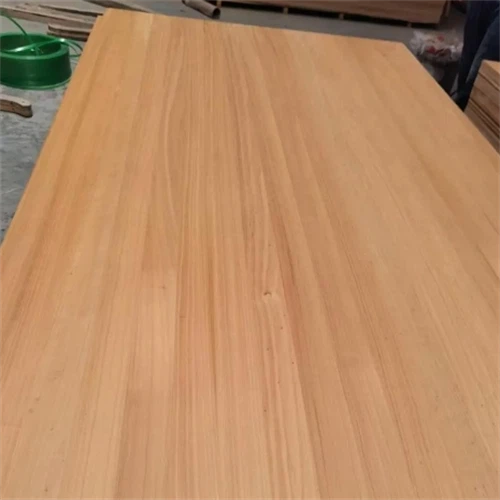
- Leave Expansion Space: Whether you're installing poplar wood boards for a floor, a wall, or a piece of furniture, always leave some space for expansion. For example, when installing a Poplar Wood Tabletop UV Board, leave a small gap around the edges. This allows the wood to expand and contract without causing warping or damage.
- Fastening: Use the right type of fasteners. Screws are often a better choice than nails as they allow for some movement. When screwing the boards, don't overtighten them. Overtightening can restrict the natural movement of the wood and lead to warping.
4. Finishing
Applying a proper finish to the poplar wood boards can also help prevent warping.
- Seal the Ends: The ends of the boards are more porous and absorb moisture more quickly than the sides. Sealing the ends with a waterproof sealer can slow down the moisture absorption and prevent uneven expansion.
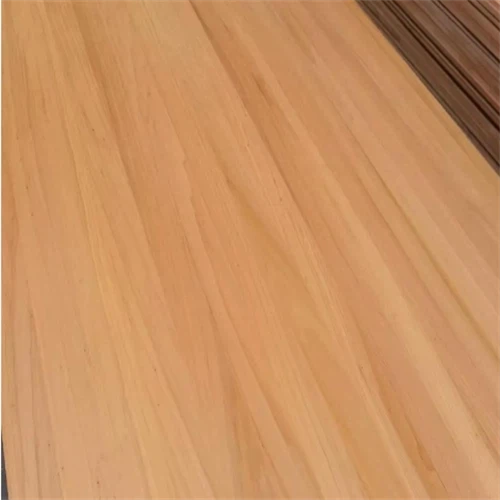
- Finish the Entire Surface: A good finish, such as paint, varnish, or oil, creates a barrier that protects the wood from moisture. It's important to apply the finish evenly on all sides of the board. For example, a Carbonized Poplar Board can benefit from a high - quality varnish to enhance its durability and resistance to warping.
5. Quality Control
As a supplier, I always make sure to perform strict quality control on the poplar wood boards.
- Inspect the Grain: The grain pattern of the wood can affect its stability. Boards with a straight and consistent grain are less likely to warp than those with a wild or irregular grain.
- Check for Defects: Look for knots, splits, or other defects in the wood. These can weaken the board and make it more prone to warping. Only supply high - quality boards that meet the necessary standards.
6. Handling
Proper handling of the poplar wood boards can also make a difference.
- Avoid Bending: When moving the boards, don't bend or flex them. This can create internal stresses that may lead to warping later on. Use proper lifting techniques and equipment to move the boards safely.
- Protect from Impact: Dropping or hitting the boards can cause damage to the wood fibers, making them more likely to warp. Make sure to handle the boards gently during transportation and storage.
In conclusion, preventing poplar wood board warping requires a combination of proper drying, storage, installation, finishing, quality control, and handling. By following these tips, you can ensure that your poplar wood boards stay in top condition and are ready for use in your next project.
If you're in the market for high - quality poplar wood boards, such as Poplar Drawer Board, don't hesitate to reach out for a procurement discussion. We're here to provide you with the best products and advice to meet your needs.
References
- "Wood Handbook: Wood as an Engineering Material", Forest Products Laboratory
- "Understanding Wood: A Craftsman's Guide to Wood Technology", R. Bruce Hoadley