

How to repair a cracked LVL Poplar Wood Board?
Aug 17, 2026
Leave a message
LVL (Laminated Veneer Lumber) poplar wood boards are a popular choice in various construction and woodworking projects due to their strength, versatility, and aesthetic appeal. However, like any wood product, they can sometimes develop cracks, which may be caused by factors such as improper installation, changes in humidity, or physical impact. As a supplier of LVL poplar wood boards, I understand the importance of maintaining the integrity of these boards. In this blog post, I'll share some practical steps on how to repair a cracked LVL poplar wood board.
Step 1: Assess the Crack
The first step in repairing a cracked LVL poplar wood board is to carefully assess the nature and severity of the crack. Examine the length, width, and depth of the crack. Superficial cracks that only affect the surface layer may be easier to repair compared to deep cracks that penetrate through multiple veneer layers. Also, check if the crack is a result of a recent impact or if it has developed gradually over time due to environmental factors.
If the crack is very small and shallow, it may be possible to repair it with a simple wood filler. However, for deeper and longer cracks, more extensive repair methods may be required.
Step 2: Prepare the Work Area
Before starting the repair process, it's essential to prepare the work area. Remove any objects or debris from around the cracked board. If the board is installed in a structure, make sure the surrounding area is clean and free of dust. This will help ensure a proper bond between the repair materials and the wood.
You'll also need to gather the necessary tools and materials. For a basic repair, you'll typically need wood filler, a putty knife, sandpaper (in various grits), a clamp (if necessary), and a clean cloth. If the crack is severe, you may also need additional materials such as epoxy resin, fiberglass mesh, or replacement veneer strips.
Step 3: Clean the Crack
Use a small brush or a vacuum cleaner to remove any dirt, dust, or loose wood particles from the crack. This step is crucial as it allows the repair material to adhere properly to the wood. If there are any splinters or rough edges around the crack, gently sand them down with fine-grit sandpaper to create a smooth surface.
Step 4: Choose the Right Repair Material
The choice of repair material depends on the size and nature of the crack.
- Wood Filler: For small, superficial cracks, a wood filler is a convenient and cost - effective option. There are different types of wood fillers available, such as water - based and solvent - based. Water - based fillers are easier to clean up and are less likely to emit strong odors. Choose a wood filler that matches the color of the LVL poplar wood board as closely as possible.
- Epoxy Resin: Epoxy resin is a more durable option for deeper cracks or cracks that require a strong bond. It can penetrate into the wood fibers and provide a long - lasting repair. Epoxy resin often comes in two parts that need to be mixed together according to the manufacturer's instructions.
- Fiberglass Mesh and Epoxy: For very large or structural cracks, adding fiberglass mesh to the epoxy resin can provide additional strength. The fiberglass mesh reinforces the repair and helps prevent the crack from spreading further.
Step 5: Apply the Repair Material
-
Using Wood Filler: If you're using a wood filler, apply it to the crack using a putty knife. Make sure to fill the crack completely, pressing the filler firmly into the crevice to eliminate any air pockets. Smooth the surface of the filler with the putty knife, making it level with the surrounding wood. Let the filler dry according to the manufacturer's instructions, which typically takes a few hours to overnight.
-
Using Epoxy Resin: When using epoxy resin, mix the two parts thoroughly in a clean container. Apply the epoxy to the crack using a small brush or a syringe, depending on the size of the crack. If you're using fiberglass mesh, place it over the crack and apply another layer of epoxy on top of the mesh, ensuring that it is fully saturated. Use a clamp to hold the crack together while the epoxy cures. The curing time for epoxy resin can vary, but it usually takes 24 hours or more.
Step 6: Sand and Finish
Once the repair material has dried or cured, use sandpaper to smooth the repaired area. Start with a medium - grit sandpaper to level the surface and then switch to a fine - grit sandpaper for a smooth finish. Be careful not to sand too much and damage the surrounding wood.
After sanding, you may want to apply a finish to the repaired area to match the rest of the board. This could be a stain, varnish, or paint, depending on the original finish of the LVL poplar wood board. Apply the finish according to the manufacturer's instructions and allow it to dry completely.
When to Replace the Board
In some cases, the crack may be too severe to repair effectively, or the repair may not be cost - effective. If the crack is large, extends through a significant portion of the board, or if the board has multiple cracks, it may be more practical to replace the board.
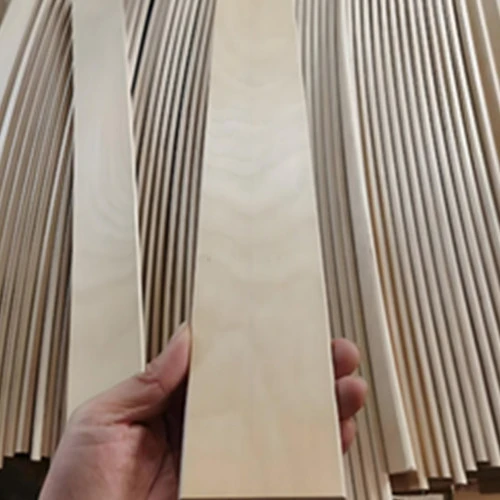
As a supplier of LVL poplar wood boards, I offer a wide range of products, including Poplar Bed Slats, Poplar Solid Wood Board, and Poplar Furniture Board. Our boards are made from high - quality poplar wood and are manufactured to meet strict quality standards.
If you're experiencing issues with cracked wood boards or are in need of new boards for your project, I encourage you to contact us for more information and to discuss your specific requirements. We can provide you with expert advice on choosing the right board for your needs and offer competitive pricing.
Conclusion
Repairing a cracked LVL poplar wood board can be a rewarding DIY project if done correctly. By following the steps outlined in this blog post, you can effectively repair minor cracks and extend the lifespan of your wood boards. However, for more complex or large - scale repairs, it may be advisable to seek the assistance of a professional.
As a trusted supplier of LVL poplar wood boards, I'm committed to providing high - quality products and excellent customer service. Whether you're a homeowner, a contractor, or a woodworker, I'm here to help you with all your wood board needs. Contact us today to start discussing your next project and explore our range of poplar wood products.

References
- Woodworking Magazine: "Repairing Wood Cracks"
- Manufacturer's Instructions for Wood Filler and Epoxy Resin
- Structural Wood Design Handbook