

What are the characteristics of poplar wood board?
Mar 18, 2026
Leave a message
Hey there! As a supplier of poplar wood boards, I've got a ton to share about the characteristics of this amazing material. Poplar wood boards are pretty popular in the woodworking world, and for good reasons. Let's dive right in and explore what makes them so special.
Appearance
First off, let's talk about how poplar wood boards look. They've got a really interesting and unique appearance. The color of poplar wood can vary quite a bit. It usually ranges from a pale yellowish - white to a light greenish - brown. Sometimes, you might even find boards with a bit of a pinkish or purplish tint, especially near the heartwood.
The grain pattern of poplar wood is generally straight, which gives it a clean and uniform look. But it can also have some subtle variations, like small swirls or irregularities. This natural variation in the grain adds a bit of character to each board, making it stand out. Whether you're making a piece of furniture or a decorative item, the appearance of poplar wood boards can bring a touch of natural beauty to your project.
Durability
Now, when it comes to durability, poplar wood boards are a solid choice. They're not as hard as some other hardwoods like oak or maple, but they're still tough enough for a wide range of applications. Poplar wood has a good balance of strength and flexibility. It can withstand normal wear and tear without easily cracking or splintering.
For example, if you're using poplar wood boards to build a cabinet, they'll be able to handle the weight of the items inside without getting damaged. And if you're making a drawer with Poplar Drawer Board, it'll slide smoothly and hold up well over time. However, it's important to note that poplar wood is not as resistant to rot and decay as some other woods. So, if you're using it in an outdoor or high - moisture environment, you'll need to take proper precautions, like treating it with a waterproof sealant.
Workability
One of the biggest advantages of poplar wood boards is their excellent workability. They're relatively soft, which means they're easy to cut, shape, and sand. Whether you're using hand tools or power tools, you'll find that poplar wood responds well to all kinds of woodworking techniques.
When you're cutting poplar wood, it doesn't create a lot of tear - out, which is a common problem with some other woods. This makes it easier to get clean, smooth cuts. And when it comes to sanding, poplar wood can be sanded to a very smooth finish, which is great if you're planning to paint or stain the board. You can also drill holes in poplar wood without much difficulty, and it holds screws and nails well. This makes it a great choice for DIYers and professional woodworkers alike.
Cost - effectiveness
Another great thing about poplar wood boards is that they're very cost - effective. Compared to some of the more expensive hardwoods, poplar wood is much more affordable. This makes it a popular choice for large - scale projects or for those on a budget.
You can get a high - quality poplar wood board at a fraction of the cost of oak or walnut. And since it's so workable, you don't have to spend a lot of time and money on special tools or techniques to work with it. Whether you're a hobbyist or a professional contractor, the cost - effectiveness of poplar wood boards can help you save money on your projects.
Versatility
Poplar wood boards are incredibly versatile. They can be used in a wide variety of applications, from furniture making to construction. In the furniture industry, poplar wood is often used to make cabinets, drawers, and tables. Its smooth finish and natural beauty make it a great choice for both traditional and modern furniture styles.

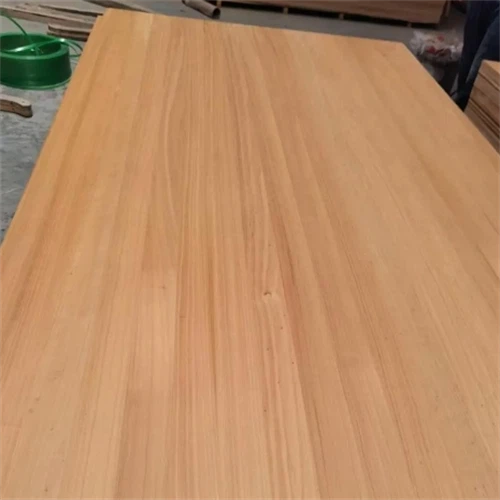
In construction, poplar wood boards can be used for interior paneling, trim work, and even some structural elements. You can also use Carbonized Poplar Board for a more unique look. The carbonization process gives the wood a darker color and can enhance its durability. And if you're looking for a solid, reliable board for your project, Poplar Solid Wood Board is a great option.
Sustainability
Sustainability is an important factor these days, and poplar wood is a relatively sustainable choice. Poplar trees grow relatively quickly compared to some other hardwood trees. This means that they can be replenished more easily, reducing the impact on the environment.
Many poplar wood suppliers, including us, source our wood from responsibly managed forests. This ensures that the trees are harvested in a way that doesn't harm the ecosystem. So, when you choose poplar wood boards for your project, you're not only getting a great product, but you're also making an environmentally friendly choice.
Finishing
Poplar wood boards take finishes really well. You can paint them, stain them, or leave them natural, depending on your preference. If you want a bold, colorful look, painting poplar wood is a great option. It will cover the natural color of the wood and give you a smooth, even finish.
Staining poplar wood can bring out the natural grain pattern and give it a more rustic look. However, because poplar wood has a relatively open grain, it might absorb stain unevenly. To get a more consistent stain color, you can use a pre - stain conditioner. And if you prefer the natural look of the wood, you can simply apply a clear finish to protect it and enhance its natural beauty.
In conclusion, poplar wood boards have a lot going for them. They've got a great appearance, are durable enough for most applications, are easy to work with, cost - effective, versatile, sustainable, and take finishes well. If you're in the market for wood boards for your next project, I highly recommend considering poplar wood.
If you're interested in purchasing poplar wood boards, we'd love to have a chat with you. Whether you're a small - scale DIYer or a large - scale contractor, we can provide you with high - quality poplar wood boards at competitive prices. Just reach out to us, and we'll be happy to discuss your needs and help you find the perfect boards for your project.
References
- Wood Handbook: Wood as an Engineering Material. Forest Products Laboratory.
- The New Encyclopedia of Woodworking. Taunton Press.